Last updated October 31, 2026
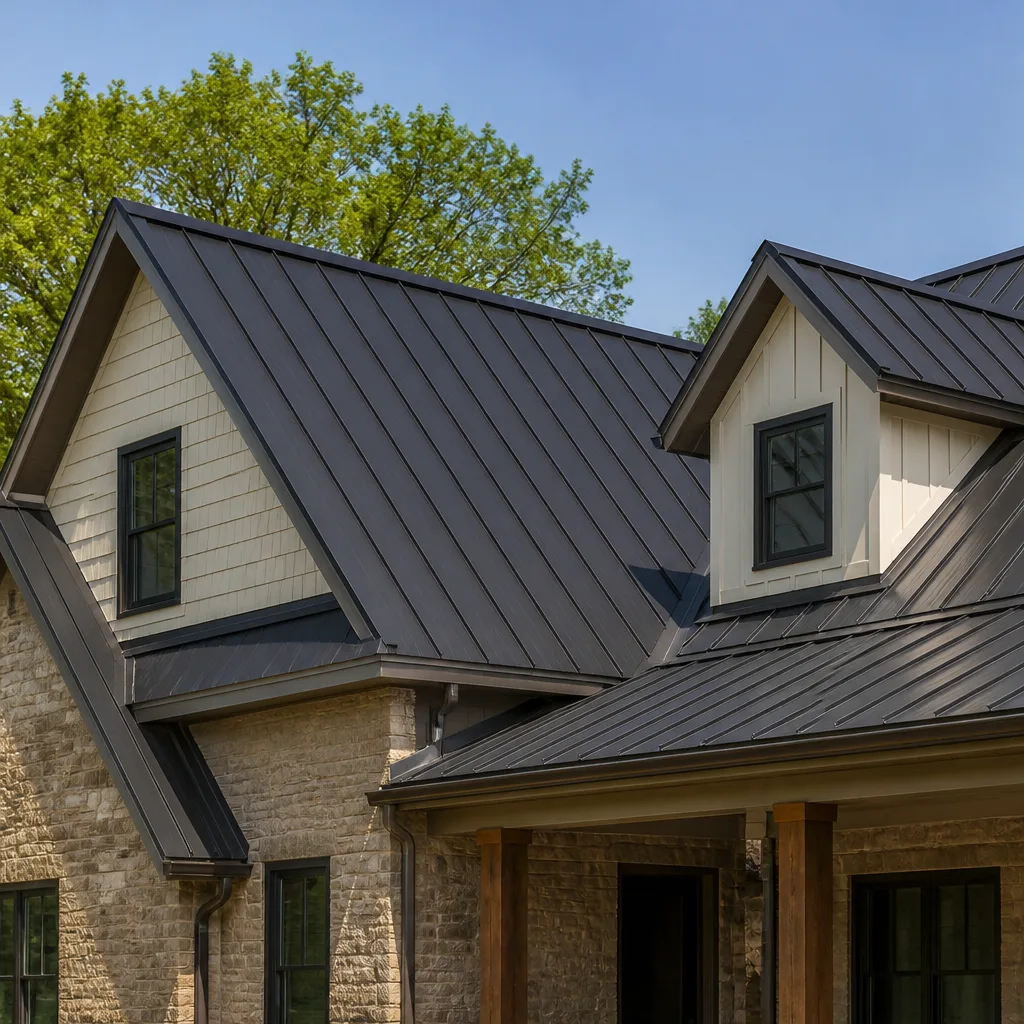 Metal roofing
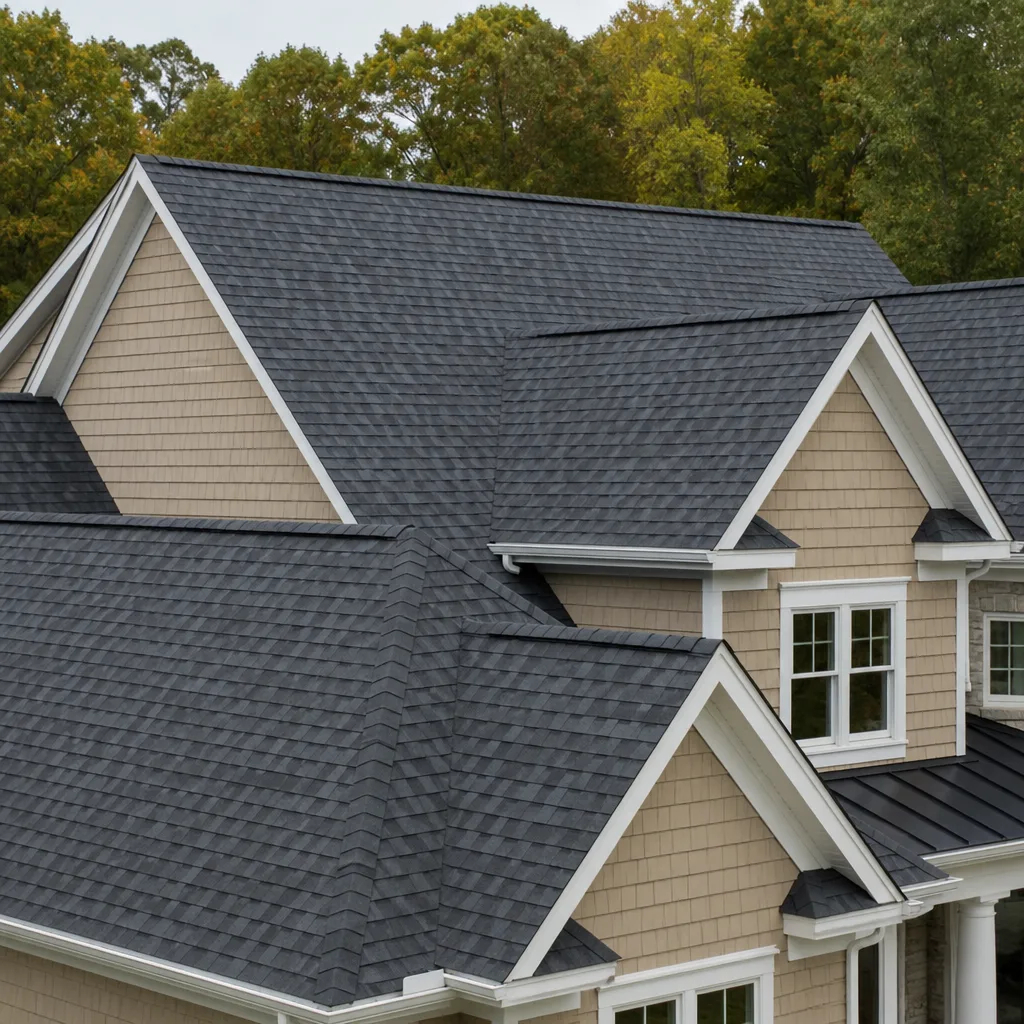 Architectural shingles
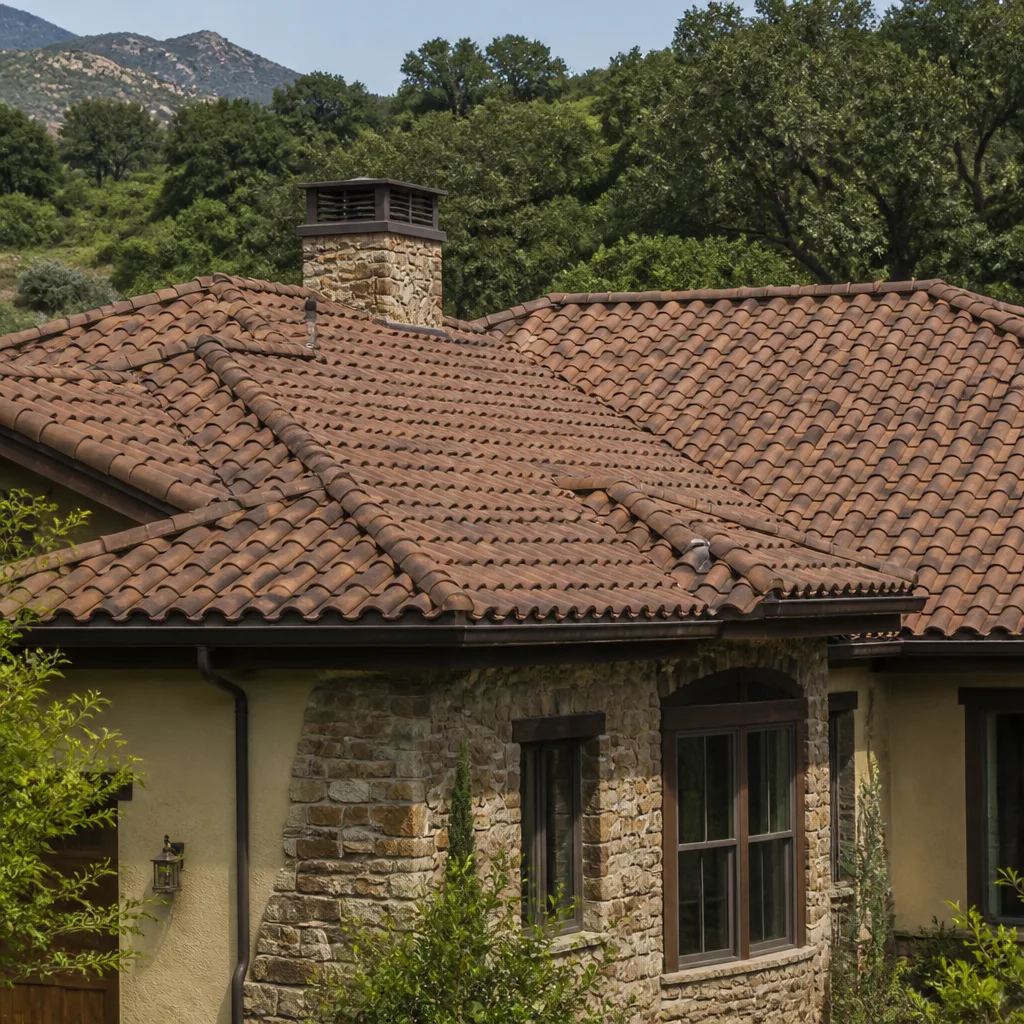 Tile roofing
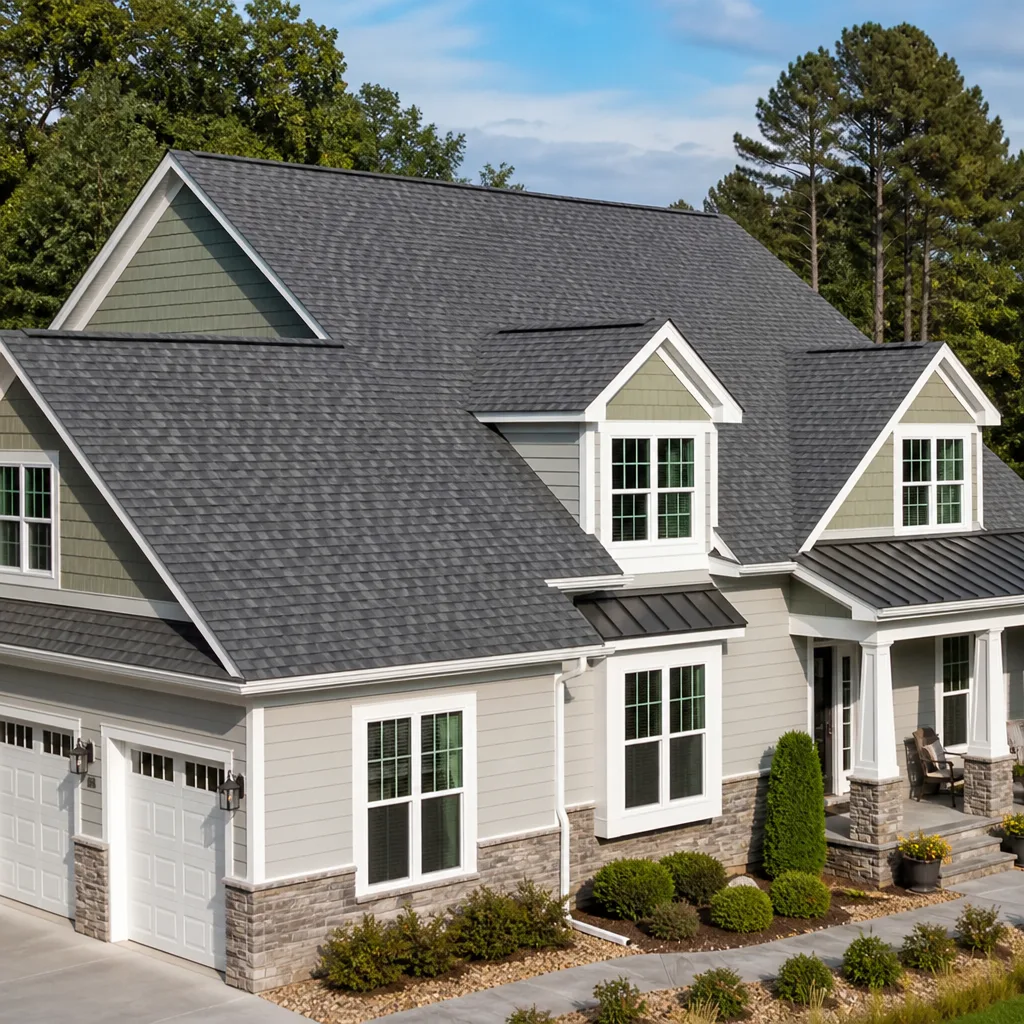 GAF
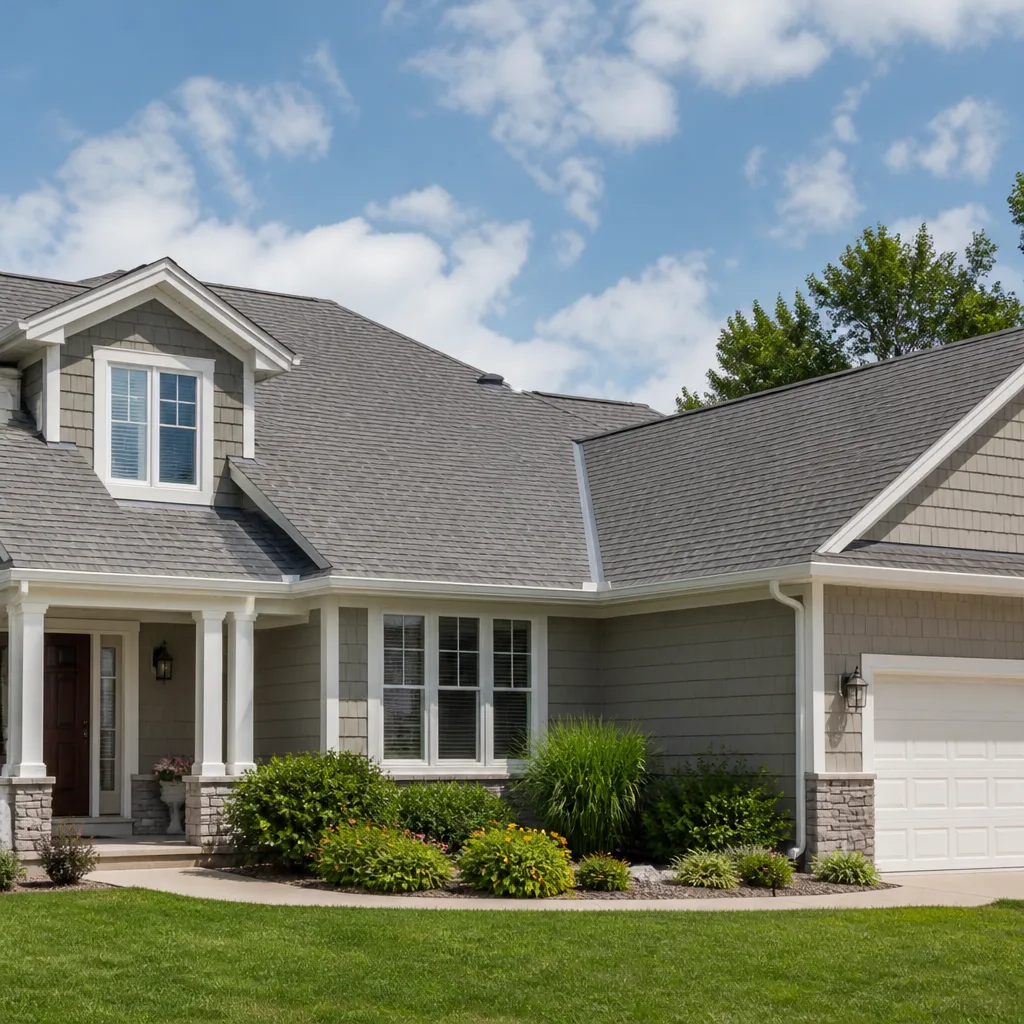 Owens Corning
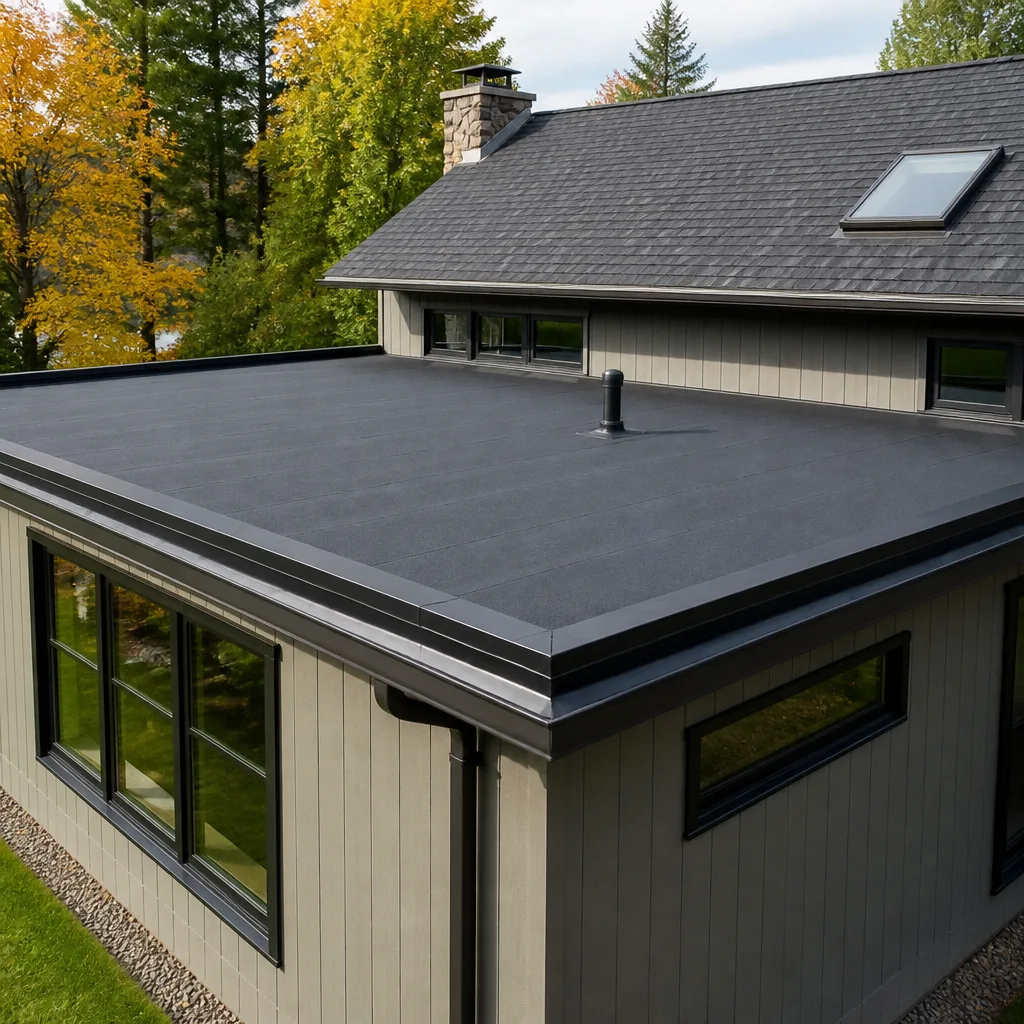 Flat & low-slope
Free roof inspection with deck photos before we talk money - GAF and Owens Corning certified installation
DIY vs Professional Roofing: The Victorville Homeowner’s Decision Guide
Here’s a number most Victorville homeowners never hear: a roofing nail driven three-quarters of an inch from where the manufacturer specifies can void a 50-year shingle warranty on day one. Not when the roof fails. On day one. Most DIY roofing failures in the High Desert don’t happen because someone lacked the skill to swing a hammer. They happen because nobody told them that Victorville’s wind zone, fire zone, and heat profile rewrite the rulebook that came with the shingles. This guide walks through the actual cost calculation: what you save, what you risk, and where the line between a smart Saturday project and an expensive insurance problem actually sits. For Roof Repair Troubleshooting: Common Problems and How to Fix Them, see our dedicated resource.
Styles & brands we work with
Quick Answer
For minor maintenance like re-sealing a small flashing joint or checking attic ventilation, DIY roofing in Victorville is reasonable if you know your limits; our Roof Repair Maintenance Checklist for Victorville Homeowners covers what to inspect. For anything involving shingle installation, underlayment, structural repair, or any work that requires a permit, hire a licensed C-39 roofing contractor. The warranty, insurance, and code-compliance risks of DIY installation in San Bernardino County’s high-wind and wildfire zones almost always erase the upfront savings, sometimes several times over.
Table of Contents
- The California Permit Reality in Victorville
- What the High Desert Actually Does to a DIY Roofer
- Where DIY Roof Work Genuinely Makes Sense
- The Warranty Math: What You’re Actually Buying With a Pro
- How DIY Roofing Affects Your Homeowner’s Insurance
- The Real Cost Comparison: DIY Numbers vs Professional Numbers
- The Inspection-First Approach: Know Before You Spend
- Common Mistakes to Avoid
- When to Call a Professional
- Frequently Asked Questions
- The Bottom Line
The California Permit Reality in Victorville
Before you buy a single bundle of shingles, understand this: California building codes apply to roofing work, and Victorville sits inside San Bernardino County’s permitting jurisdiction. The state requires a licensed C-39 roofing contractor for any roofing project valued at $500 or more in combined labor and materials. That’s not a suggestion. It’s California Business and Professions Code 7031.
Here’s what that actually means for the DIY question:
- Minor repairs under $500 in total value (materials plus the fair market value of your own labor) technically fall below the contractor threshold. Re-sealing a two-foot flashing seam with roofing cement might qualify.
- Full re-roofs and structural repairs require a permit from the City of Victorville Building and Safety Division. When you pull that permit as a homeowner-occupant, you’re signing a legal document stating you’ll perform the work to current code.
- The inspection failure consequence is where DIY gets expensive. If the inspector flags your work, you cannot simply “fix it later.” You’ll need to correct the violation and schedule a re-inspection, and the corrections often require exactly the kind of specialized knowledge that got the work flagged in the first place.
In our experience across Victorville neighborhoods from Spring Valley Lake to the Eagle Ranch corridor, homeowners who pull their own roofing permits consistently underestimate one thing: the San Bernardino County roofing amendments. The county has specific requirements for high-wind nail patterns and fire-resistant underlayments that go beyond the standard manufacturer instructions printed on the wrapper. A homeowner reading the generic shingle-wrapper guide is working from incomplete information the moment they open the bundle.
The C-39 license exists for a reason. Licensed roofers are tested on California’s specific building codes, including the fire-hardening standards that apply to homes in Victorville’s Wildland-Urban Interface zones. If your home sits in one of the city’s designated fire-hazard severity zones, the underlayment, vent detailing, and even the specific shingle class requirements change. Missing these isn’t a craftsmanship issue. It’s a knowledge-access issue.
What the High Desert Actually Does to a DIY Roofer
Victorville isn’t just hot. It’s the specific kind of hot that changes how roofing materials behave and how a human body performs on a roof deck.
Between June and September, a south-facing asphalt shingle roof in Victorville regularly reaches surface temperatures of 160 to 175 degrees Fahrenheit. That’s not an exaggeration. That’s measured surface temperature. Here’s what that means in practice:
- The working window problem. A DIY roofer has perhaps four to five hours in the early morning before the roof surface becomes genuinely dangerous to touch. A professional crew works the same window but brings the staffing to finish before the heat peaks.
- UV exposure during the practical window. The High Desert UV index in summer routinely hits 10 or 11, which means a fair-skinned person can burn in under 15 minutes. A full DIY re-roof means weeks of exposure, not one Saturday.
- Thermal movement changes installation technique. Asphalt shingles expand and contract significantly across a Victorville summer day. The adhesive strips on architectural shingles need proper activation time and temperature. Install them wrong in 95-degree heat, and you get either wind-lift failures in the next Santa Ana event or a roof that looks fine for two years and then starts shedding shingles.
- Heat fatigue errors compound. Roofing requires precisely placed fasteners. A tired DIY roofer at hour five, on a 140-degree surface, is not making the same quality decisions as hour one. Professional crews rotate and pace specifically for this.
We’ve seen DIY attempts where shingles were installed in direct mid-afternoon sun and the adhesive strips activated too aggressively, bonding the shingles to the underlayment before they could be properly aligned. The result was a roof that looked fine from the street and had dozens of micro-tears at every seam. The homeowner discovered this during the first major rain, when water found its way through a half-dozen small entry points.
This isn’t about discouraging capable people. It’s about naming the environmental conditions honestly. The Victorville climate doesn’t just make roofing harder. It makes the margin for error smaller.
Where DIY Roof Work Genuinely Makes Sense
We’re not going to tell you that every roofing task requires a professional. That’s not true, and pretending otherwise doesn’t help anyone make a good decision. Here’s the honest list of roof maintenance tasks a careful Victorville homeowner can reasonably handle:
- Flashing re-sealing for small gaps around vent pipes or chimney bases where the existing flashing is intact and the issue is just dried-out sealant. This is a tube of quality polyurethane sealant and a putty knife job. Scope limit: if the flashing itself is corroded or pulling away from the roof deck, you need a pro.
- Gutter maintenance including clearing debris, checking hangers, and confirming downspout drainage. Clogged gutters in Victorville’s monsoon-season downpours cause water backup that damages fascia and roof edges. A ladder, gloves, and a hose can prevent most of this.
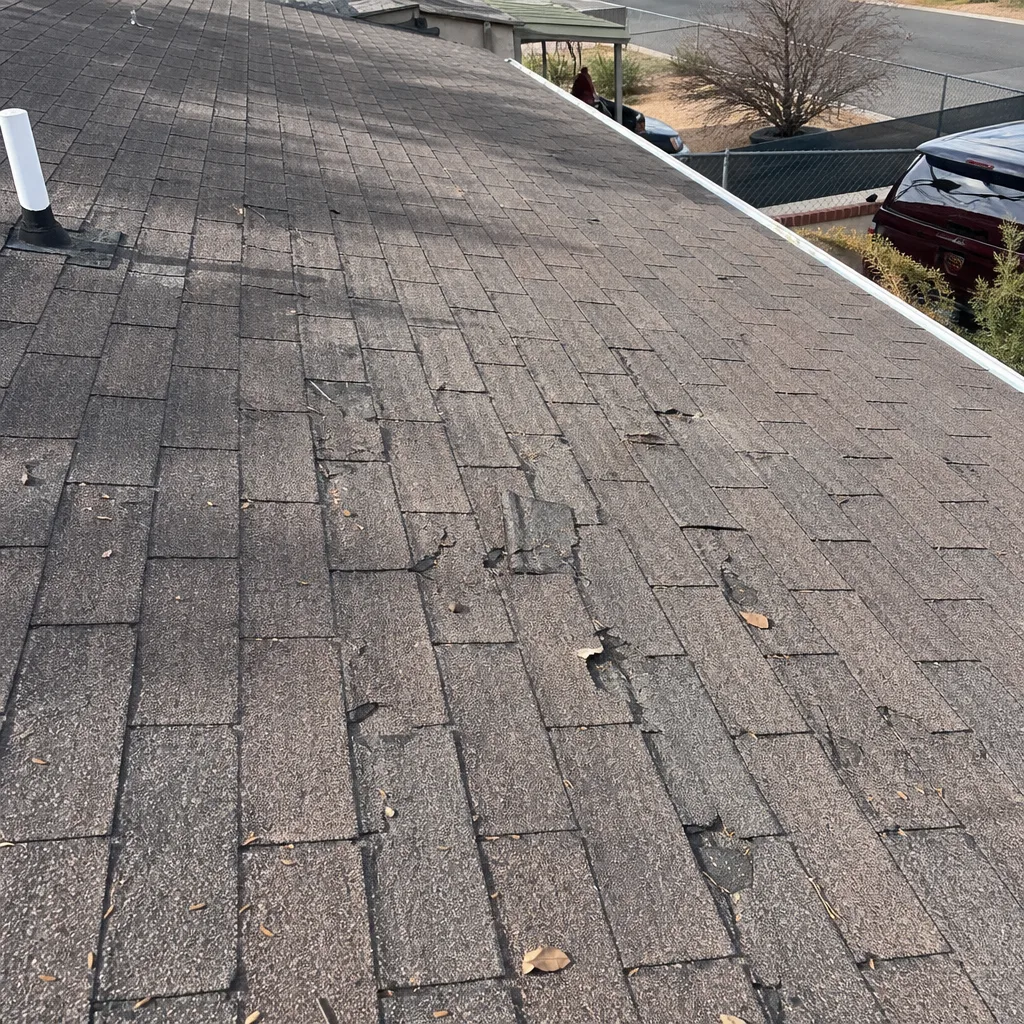
- Granule inspection from the ground with binoculars or from a ladder at the roofline. If your asphalt shingles are losing significant granules (visible bald spots or heavy granules in the gutter), that’s a material-aging signal worth a professional Roof Inspection in Victorville.
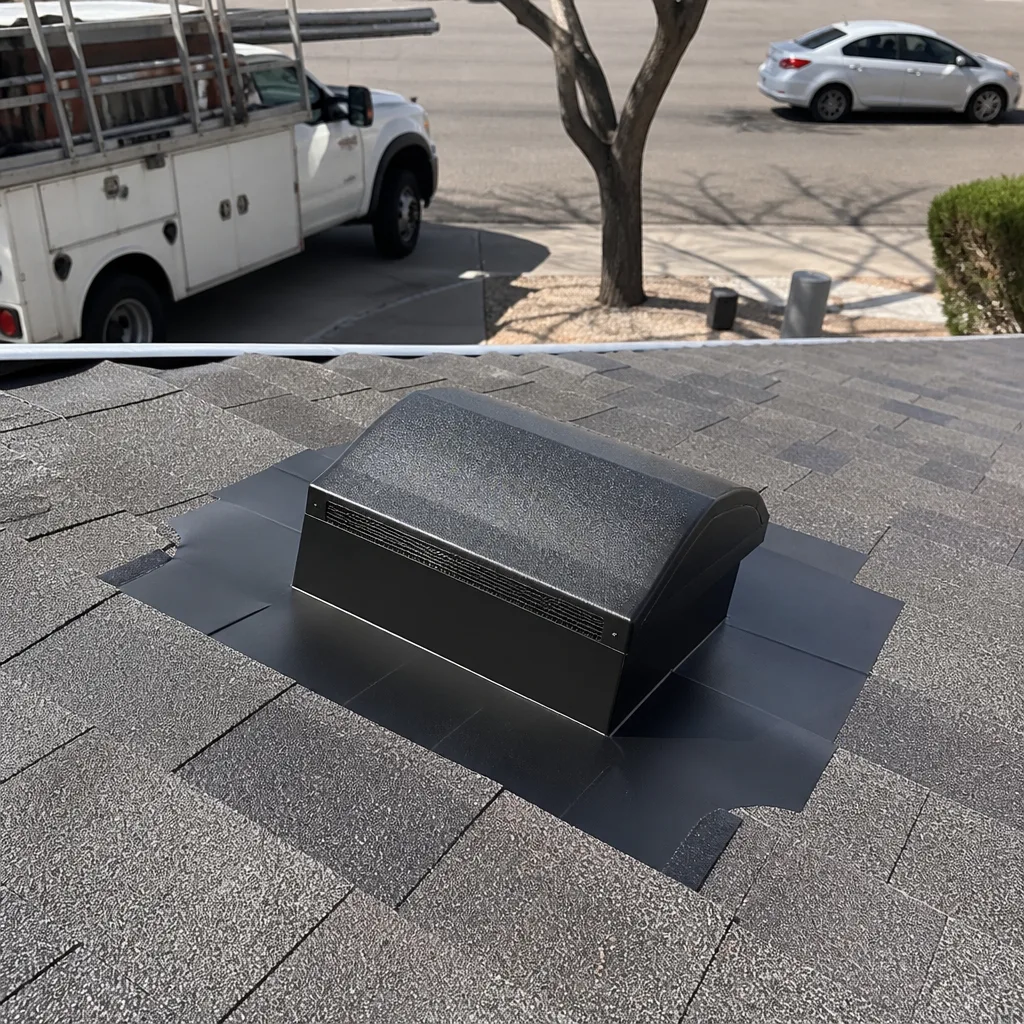
- Attic ventilation checks on cool mornings. Confirm that ridge vents and soffit vents are unobstructed. Proper attic airflow extends the life of a Victorville roof by reducing the heat load that bakes shingles from below. This is a visual inspection anyone can do.
The line between reasonable and risky is not about skill. It’s about consequence. If you fail at re-sealing a small flashing gap, you’ll see the leak and call someone. If you fail at installing underlayment across a 2,000-square-foot roof, you’ll discover the problem when the ceiling collapses or the insurance claim is denied.
Respect that line. It’s the difference between maintenance and liability.
The Warranty Math: What You’re Actually Buying With a Pro
Let’s talk about what a manufacturer warranty actually is. It’s a contract with very specific terms. And in almost every case, those terms include a requirement that a licensed contractor perform the installation.
Here’s the warranty math for a typical Victorville home:
- Materials for a DIY 2,000-square-foot architectural shingle roof: $6,000 to $9,000 depending on brand and grade. This buys you shingles, underlayment, ridge cap, and fasteners.
- What you do NOT get: any manufacturer warranty coverage. GAF, CertainTeed, and Owens Corning all require installation by a licensed contractor for their material warranties to apply. Atlas, Tamko, IKO, and Boral have similar language in their warranty documents.
- The professional installation difference: the same roof installed by a licensed contractor carries both a workmanship warranty from the installer and the manufacturer’s material warranty. That material warranty can run 30 to 50 years depending on the product line.
Think about that. You spend $7,000 on materials, do the labor yourself, and if the shingles fail in year three due to a manufacturing defect, you have no recourse. Not because the manufacturer is being unreasonable. Because they have no way to verify that the failure was the material’s fault and not the installation’s fault.
We carry seven major roofing brands including IKO, Atlas, Tamko, and Boral. We stock multiple lines specifically because the right material recommendation depends on the home, the budget, and the exposure. A homeowner buying shingles off a pallet at a big-box store is getting whatever’s in stock, not what’s right for a south-facing Victorville roof with full afternoon exposure.
The material choice matters. But the warranty only exists if the installation meets the manufacturer’s standard. That’s what the professional installation is actually buying you: a warranty that will still be there in year 20.
How DIY Roofing Affects Your Homeowner’s Insurance
Here’s the section most DIY guides skip, and it’s the section that matters most to Victorville homeowners in wildfire-adjacent neighborhoods.
Your homeowner’s insurance policy almost certainly contains language requiring that the home be maintained by “a qualified professional” for any major system repair or replacement. When you file a claim for water damage caused by a roof leak, the adjuster’s first questions will be:
- When was the roof installed or repaired?
- Who performed the work?
- Was the work permitted and inspected?
- Can you provide documentation of the contractor’s license and insurance?
If your answers are “last year,” “I did it myself,” “no permit,” and “no,” expect the claim to be scrutinized heavily. In many cases, self-performed roofing work that wasn’t permitted becomes grounds for claim denial. The insurer’s position is reasonable by their logic: they priced your premium based on the assumption that major systems were professionally maintained. You changed that assumption without telling them.
Even when the claim isn’t fully denied, DIY roofing can reduce the payout. We’ve spoken with Victorville homeowners whose water damage claims were paid at a reduced rate because the insurer determined that the self-installed flashing contributed to the leak. The homeowners saved $400 on a repair and lost thousands on the claim.
Documentation is your only protection. If you perform any DIY roof work, photograph everything: before, during, and after. Keep receipts for materials with dates. If the work is under the $500 threshold and doesn’t need a permit, your documentation may be sufficient for minor maintenance claims. If the work required a permit and you didn’t pull one, documentation won’t save you.
For Victorville homes in fire-hazard zones, the insurance stakes are even higher. Insurers in California have become aggressive about inspecting roof conditions before renewal. A roof that doesn’t meet current fire-hardening standards can trigger non-renewal notices. DIY work that fails to meet the fire-zone underlayment requirements can make your home uninsurable in the current California market. That’s a consequence that extends well beyond the roof.
The Real Cost Comparison: DIY Numbers vs Professional Numbers
Let’s put actual numbers on the decision. These are Victorville market ranges for a typical 2,000-square-foot home as of 2025:
| Cost Category | DIY (Homeowner) | Professional (Licensed C-39) |
|---|---|---|
| Architectural shingles (mid-grade) | $6,000 – $9,000 | $14,000 – $22,000 installed |
| Underlayment, fasteners, ridge cap | $1,200 – $2,000 | Included in installed price |
| Permit fees | $400 – $800 | Included or itemized |
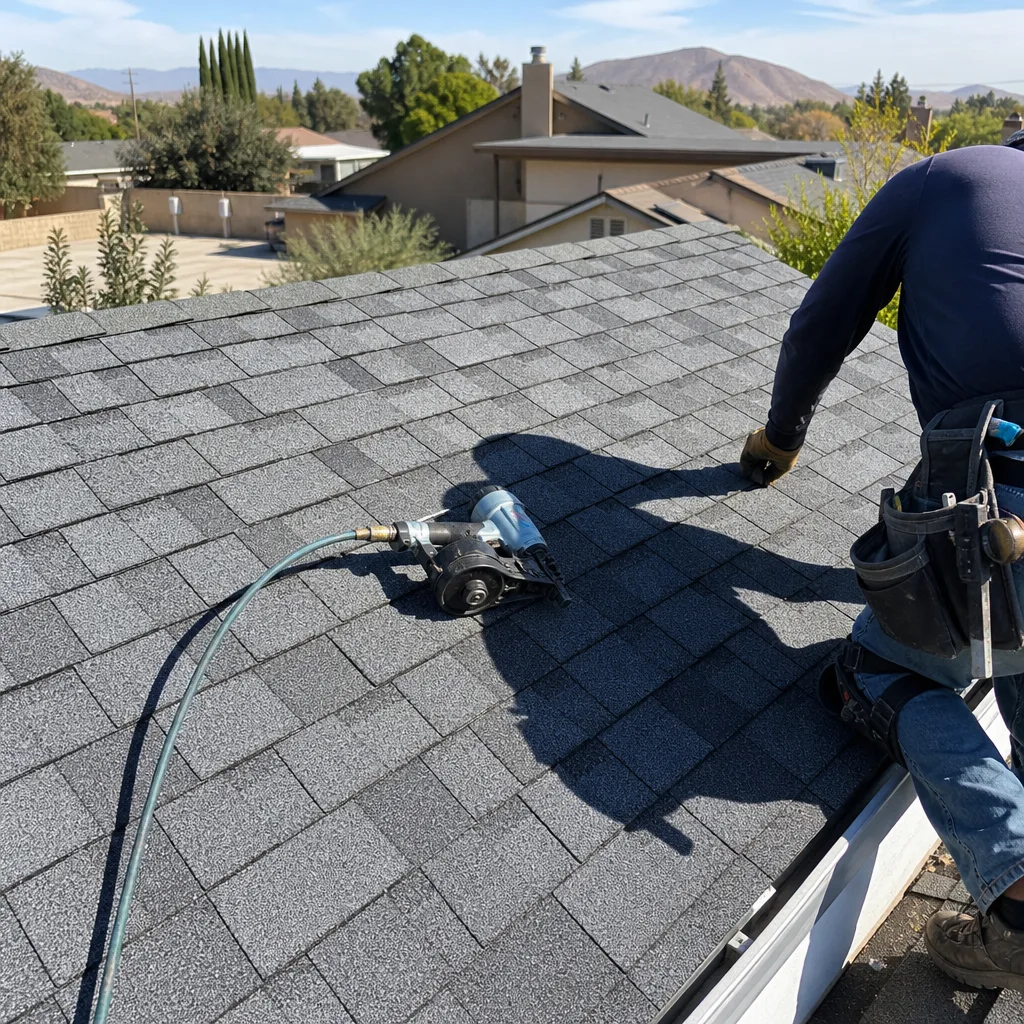
| Tools (nail gun, compressor, ladder, safety gear) | $800 – $1,500+ (rental or purchase) | Included in labor |
| Manufacturer material warranty | None (voided by non-licensed install) | 30-50 years, brand-dependent |
| Workmanship warranty | None | Typically provided by contractor |
| Disposal of old shingles | $300 – $600 (dump fees + hauling) | Included |
| Insurance risk exposure | Personal injury risk, claim complications | Contractor carries liability & workers’ comp |
The apparent savings of DIY is roughly $6,000 to $10,000 on paper. But that number assumes the work is done correctly, the permit is passed, nothing gets damaged, and no injury occurs. Those are four things professional roofers in Victorville cannot guarantee on every job, and they do this every day.
The realistic risk-adjusted math looks different. A failed inspection requiring re-work erases $2,000 to $4,000. A voided warranty means future replacement is fully out-of-pocket. An insurance claim denial after a leak can cost $10,000 to $50,000. A single roofing-related injury can cost far more.
For a full Roof Replacement in Victorville, the professional route is almost always the financially rational choice when the risk factors are priced honestly. For Roof Repair in Victorville work, the calculation depends on the scope. A small flashing repair might favor DIY if you’re genuinely capable. A valley replacement or structural repair does not.
The Inspection-First Approach: Know Before You Spend
Here’s a recommendation that applies equally to the committed DIYer and the homeowner who’s ready to hire a professional: get a roof inspection before you make the decision. Not sure where to start? Read How to Hire a Roofing Contractor in Victorville: A Step-by-Step Guide first.
We offer a standalone roof inspection service because we believe the condition assessment should come before any dollar gets spent. You can get a professional report on what your Victorville roof actually needs, without being pushed toward a replacement you may not need.
An inspection answers the questions that determine the DIY vs professional call:
- What is the actual scope of the problem? A small flashing gap and a lifted valley are very different from hail damage across the entire slope.
- How much remaining life does the existing roof have? Patching a 25-year-old roof in Victorville’s climate is often a temporary measure at best.
- What materials are currently on the roof? Matching shingle color and style after a repair matters for resale value.
- Does the roof meet current fire-zone requirements? This matters for insurance renewal, regardless of whether you repair or replace.
The inspection report gives you a factual baseline. From there, you can decide honestly: “This is a $75 tube of sealant and an afternoon” or “This is a full re-roof that needs a licensed crew.”
That honest assessment is what separates a good roofing decision from an expensive gamble. Get the report first. Then decide.
Common Mistakes to Avoid
- Pulling a homeowner permit for work that needs a licensed contractor. The City of Victorville allows homeowners to pull permits for work on their primary residence, but the work must meet current code. If you cannot demonstrate code knowledge at inspection, you’ll fail and pay for re-inspection.
- Ignoring the fire-zone underlayment requirements. Homes in Victorville’s Wildland-Urban Interface areas require specific Class A fire-rated underlayments. Standard #15 felt doesn’t comply. This detail gets missed constantly and fails inspection or worse.
- Underestimating the summer roof surface temperature. People plan to roof over a long weekend in July. The surface hits 160°F by 11am. What should take two days stretches to three weeks, and quality suffers at the end of every session.
- Trusting the generic shingle-wrapper instructions. Manufacturer shingle wrappers provide general guidance. San Bernardino County’s high-wind amendments require different nail patterns and fastener counts for many Victorville homes. The wrapper is not the final word.
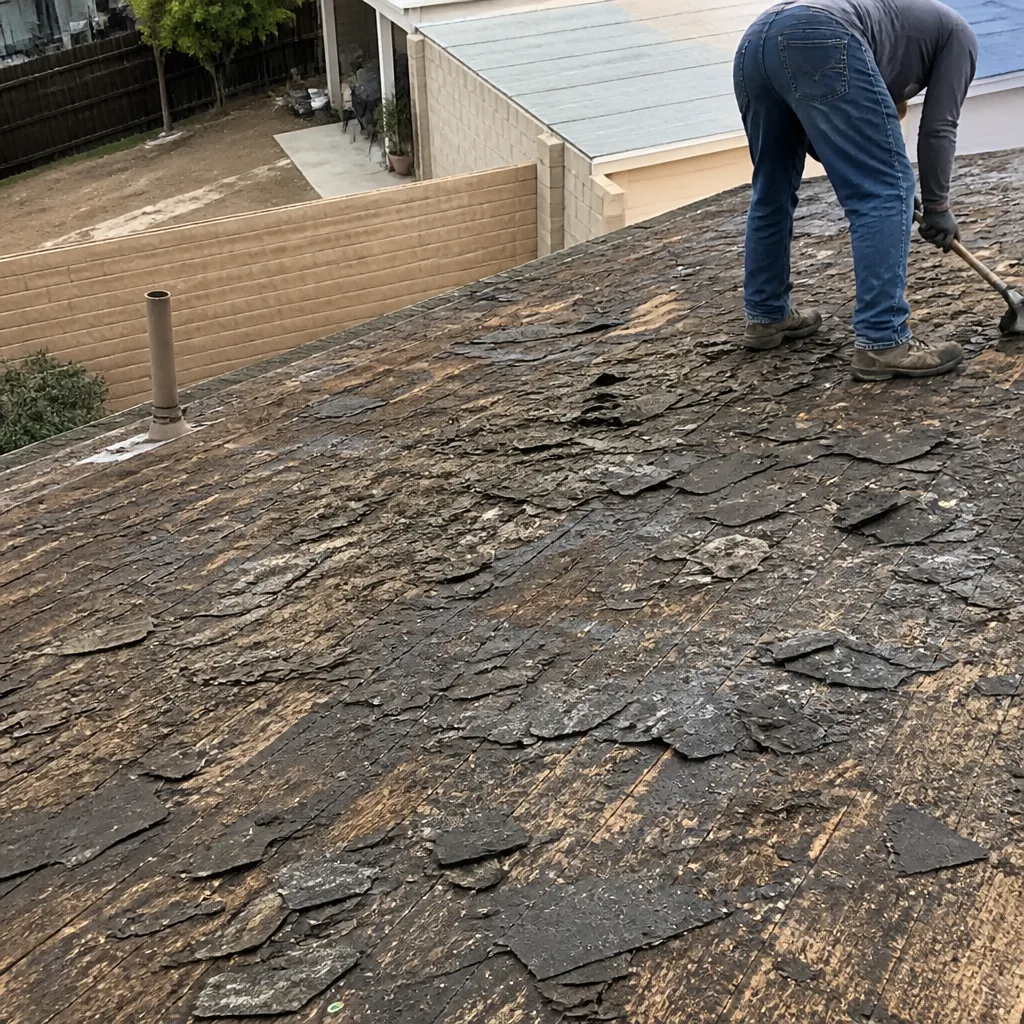
- Re-shingling over a failed underlayment. If water has reached the underlayment, adding new shingles on top traps moisture and accelerates deck rot. The underlayment needs inspection and often replacement. This is the most common “repair” we see fail within two years.
- Failing to photograph and document all DIY work. If you do DIY roof maintenance, document it thoroughly. Undocumented work is a liability if you later file an insurance claim. Insurers assume undocumented work was done incorrectly.
- Buying shingles based on price per bundle alone. Victorville’s sun exposure warrants a higher wind-rating and better UV resistance than the cheapest architectural shingle. The material you buy at the big-box store may not be rated for the wind zone and your home’s exposure.
When to Call a Professional
If you take nothing else from this guide, remember this: some roofing decisions are not judgment calls. A sagging roofline indicates structural movement that may be water damage or framing failure. A roof with multiple active leaks needs professional assessment. Any repair involving the underlayment means removing shingles and re-installing them to code. Any work in a fire-hazard zone needs specific fire-rated materials and detailing. A roof that’s 20 years old in Victorville’s heat is likely near the end of its service life, and patching it repeatedly costs more than one proper replacement. Any of these scenarios warrants a licensed C-39 contractor.
We provide roof inspections in Victorville as a standalone service, giving you a clear picture of what your roof actually needs before you commit to a repair or replacement decision. Oakmont Roof Repair home services cover the full roof lifecycle: inspection, repair, and replacement. If you’re unsure whether your roof problem is a DIY project or a pro job, we’ll tell you honestly. Call (866) 942-0875 for a free estimate in Victorville.
Frequently Asked Questions
Materials alone for a 2,000-square-foot architectural shingle roof in Victorville typically run $7,000 to $11,000, including shingles, underlayment, fasteners, and ridge cap. But that figure excludes tool costs, permit fees, disposal, and the value of the manufacturer warranty that a homeowner cannot obtain through DIY installation. When those factors are included, the true cost of DIY approaches the lower end of professional pricing, without the warranties or insurance protection. Call (866) 942-0875 for an exact quote on professional roof replacement.
Yes, a homeowner-occupant can legally pull a permit for roofing work on their own primary residence in Victorville, but the work must meet all current California and San Bernardino County building codes. However, California Business and Professions Code requires a licensed C-39 roofing contractor for any roofing project valued at $500 or more in labor and materials combined. The permit route doesn’t exempt you from code compliance, and failing inspection means paying for corrections and re-inspection.
Yes, in virtually all cases DIY shingle installation voids the manufacturer material warranty. GAF, CertainTeed, Owens Corning, and most other major brands including Atlas, Tamko, IKO, and Boral require installation by a licensed contractor for warranty coverage. A DIY-installed roof has no manufacturer protection against material defects, which is a significant financial risk on a 30-50 year product.
A professionally installed architectural shingle roof in Victorville typically lasts 20 to 30 years, with premium lines potentially reaching 40 years if the attic ventilation is adequate. The High Desert’s extreme heat, UV exposure, and thermal cycling accelerate shingle aging compared to coastal California. A poorly installed roof in this climate can fail in 5 to 10 years, which is why installation quality matters more than material quality alone.
Minor flashing re-sealing around vent pipes, gutter maintenance and downspout clearing, granule inspection from the ground, and attic ventilation checks are all reasonable DIY tasks for a careful homeowner. These are maintenance items with limited consequence if done incorrectly. Anything involving shingle installation, underlayment work, structural repairs, or fire-zone material compliance should be handled by a licensed professional because the failure consequences are severe. Call (866) 942-0875 for guidance on your specific situation.
Possibly, but your claim will face significant scrutiny, and denial is common when the leak traces back to self-performed work that wasn’t permitted or professionally documented. Insurers require evidence that the home was maintained by qualified professionals for major systems. A DIY repair that contributes to water damage can reduce or void your claim payout. Thorough photo documentation and material receipts help, but they don’t replace a licensed contractor’s work history with the insurer.
Permit requirements in Victorville depend on the scope of work. Full re-roofs and structural repairs always require a permit through the City of Victorville Building and Safety Division. Minor repairs under the $500 combined labor and materials threshold may not require a permit, but this doesn’t exempt the work from code compliance. When in doubt, call the Building and Safety Division directly or ask a licensed contractor. Oakmont Roof Repair handles permitting for all permitted work we perform.
The biggest Victorville-specific mistake is installing roofing materials without checking San Bernardino County’s high-wind and fire-zone amendments. These local requirements override the generic manufacturer instructions printed on shingle wrappers. In the county’s designated fire-hazard severity zones, homeowners must use specific Class A fire-rated underlayments and detailing that big-box stores don’t clearly label. Missing these requirements fails inspection and can trigger insurance non-renewal.
The Bottom Line
The DIY vs professional roofing decision in Victorville is a risk calculation, not simply a skills test. What you save in labor, you risk in warranty protection, insurance coverage, code compliance, and resale disclosure. Minor maintenance is fair DIY territory. Anything involving shingles, underlayment, structural elements, or fire-zone materials belongs with a licensed C-39 contractor who carries the required insurance and warranties. The real question isn’t whether you can do the work. It’s whether the work will still be defending your home in year 10, whether the paper trail will satisfy an insurance adjuster, and whether the warranty matters when something fails. Those are the costs that don’t show up on the material receipt, and they’re the costs that matter most in Victorville’s climate. Explore our more guides & resources for additional help.
Written by the team at Oakmont Roof Repair, serving Victorville since 2013.
See the difference
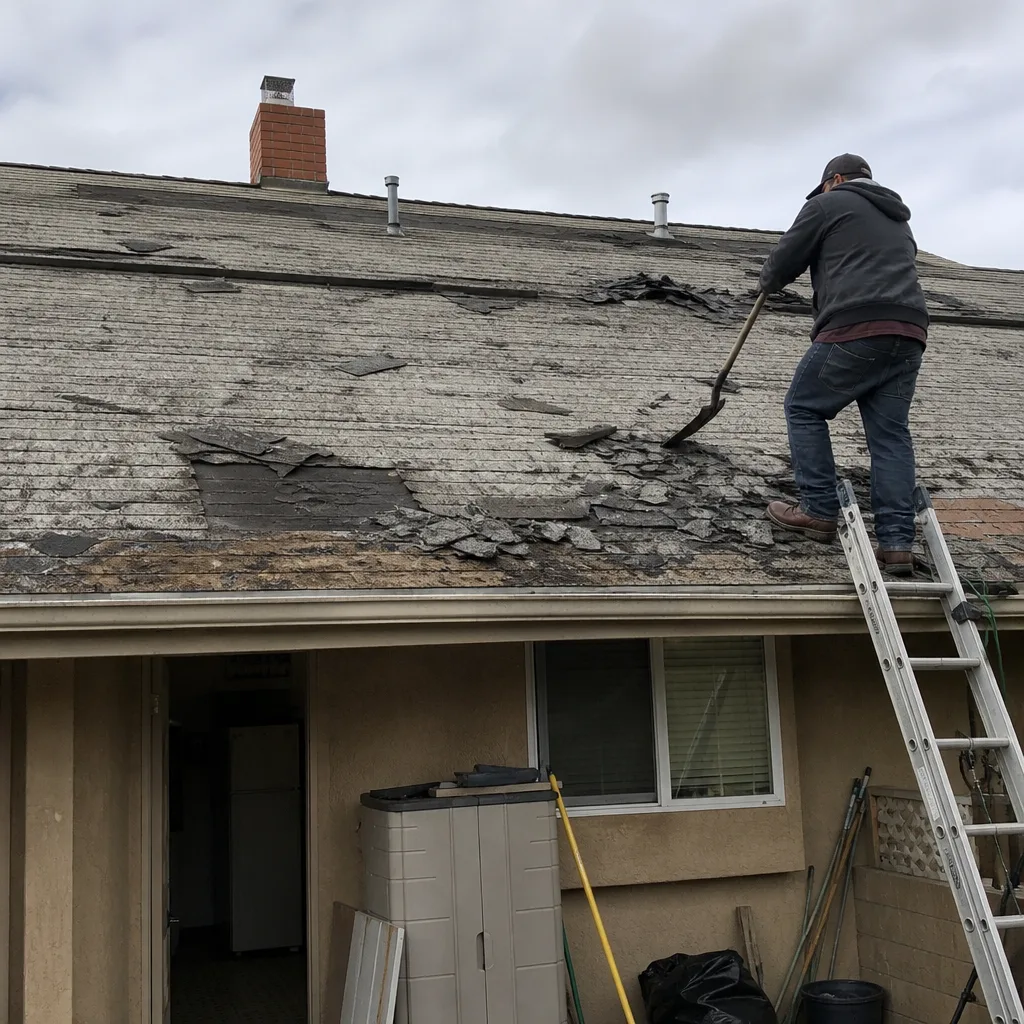 Before
 After
 Before
 After
 Before
 After