
Last updated October 31, 2026
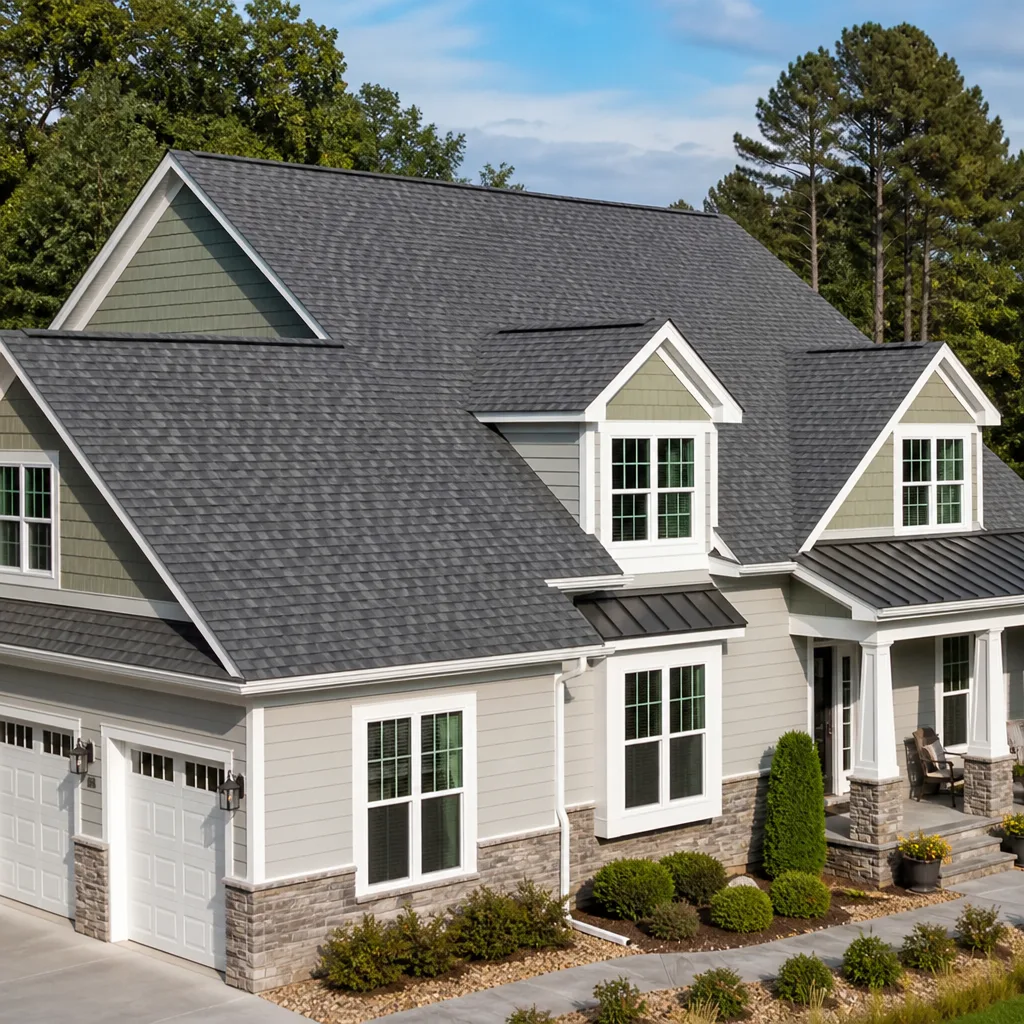
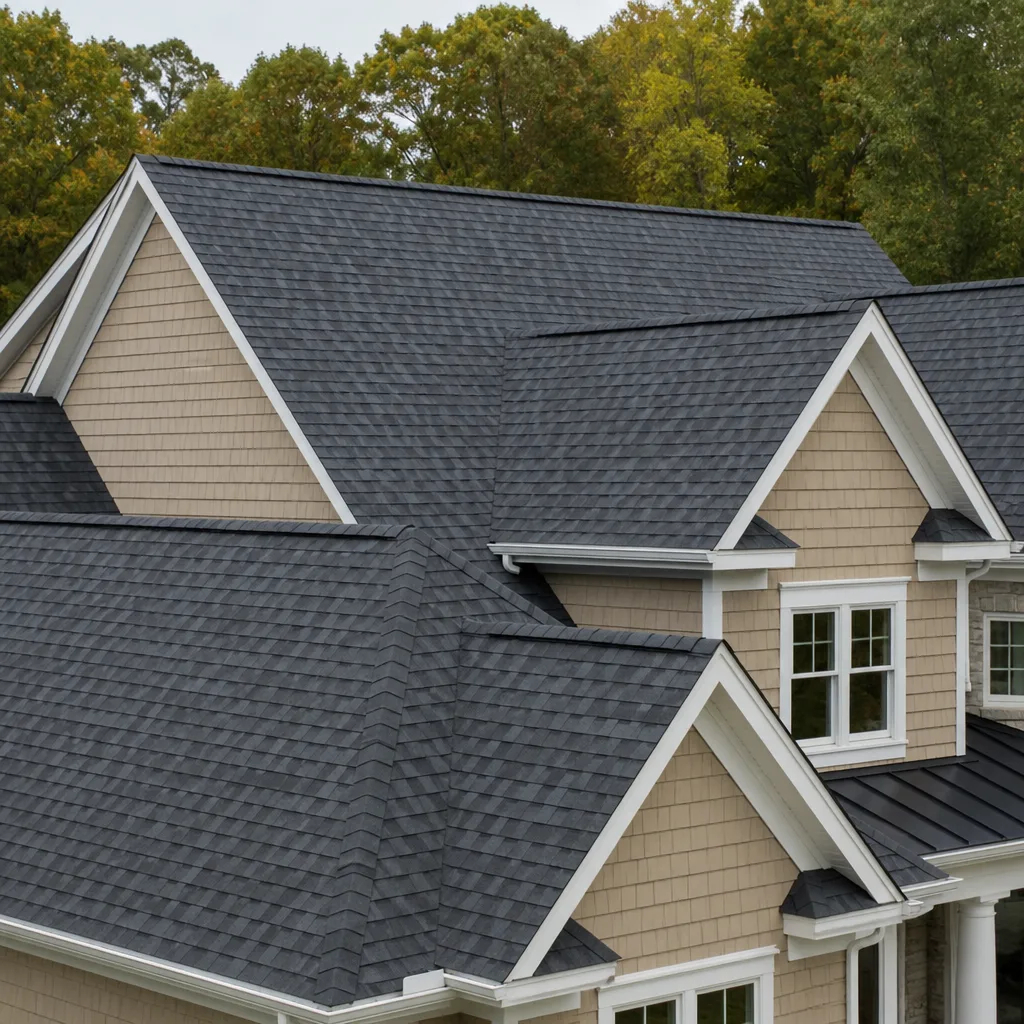 Architectural shingles
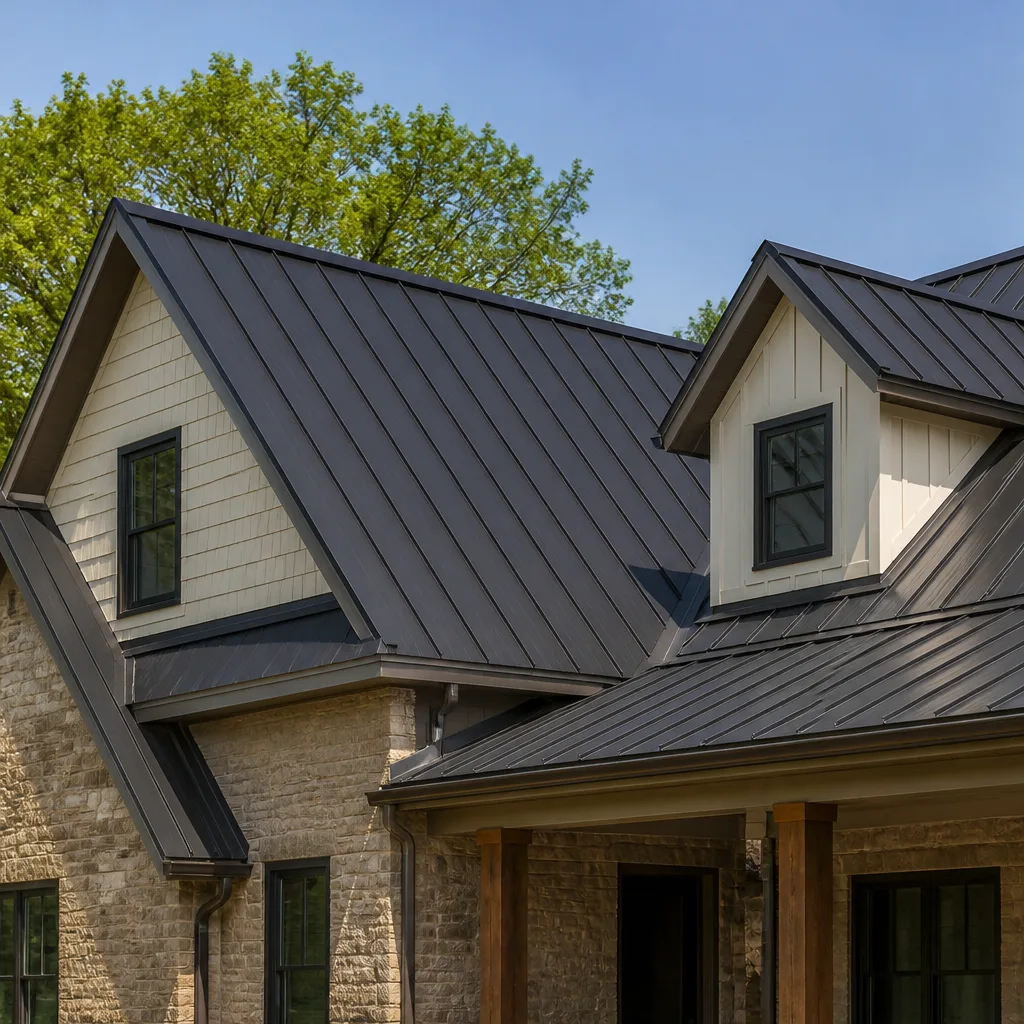 Metal roofing
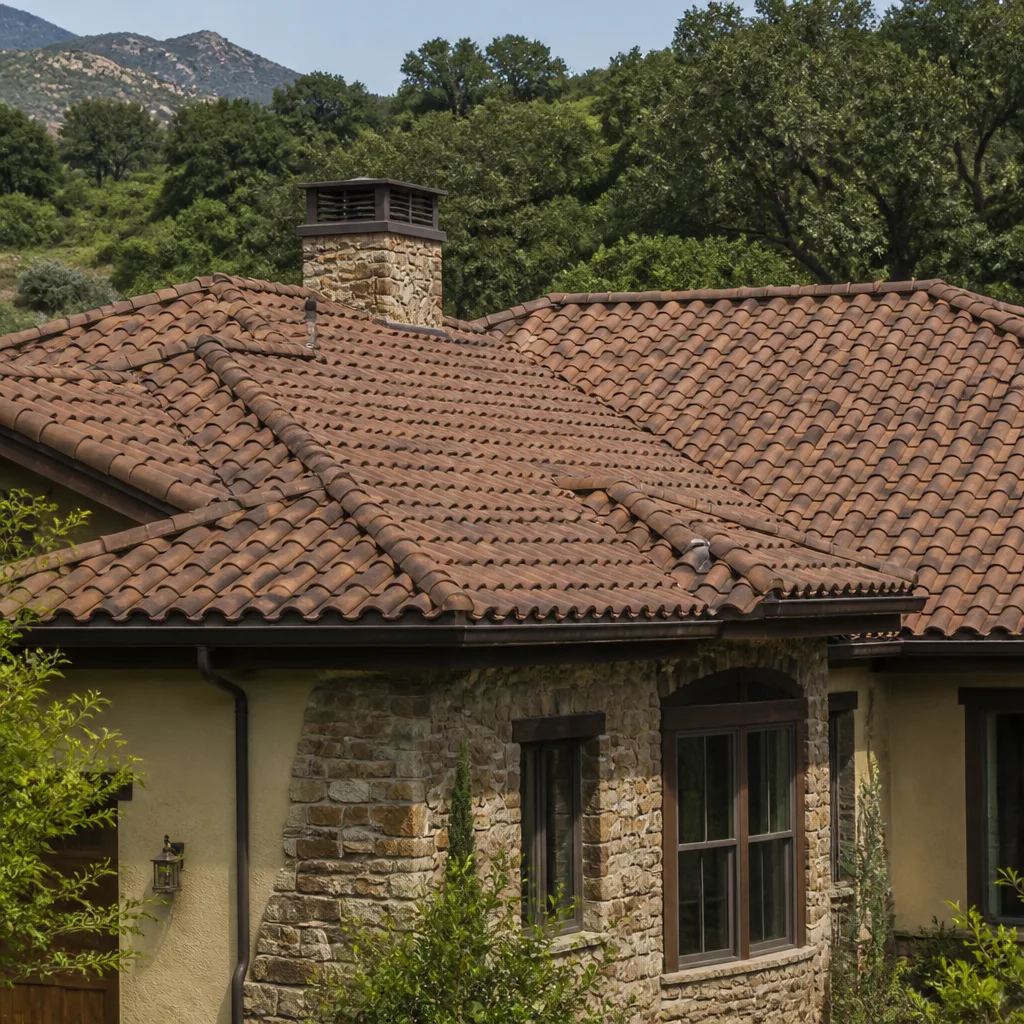 Tile roofing
 GAF
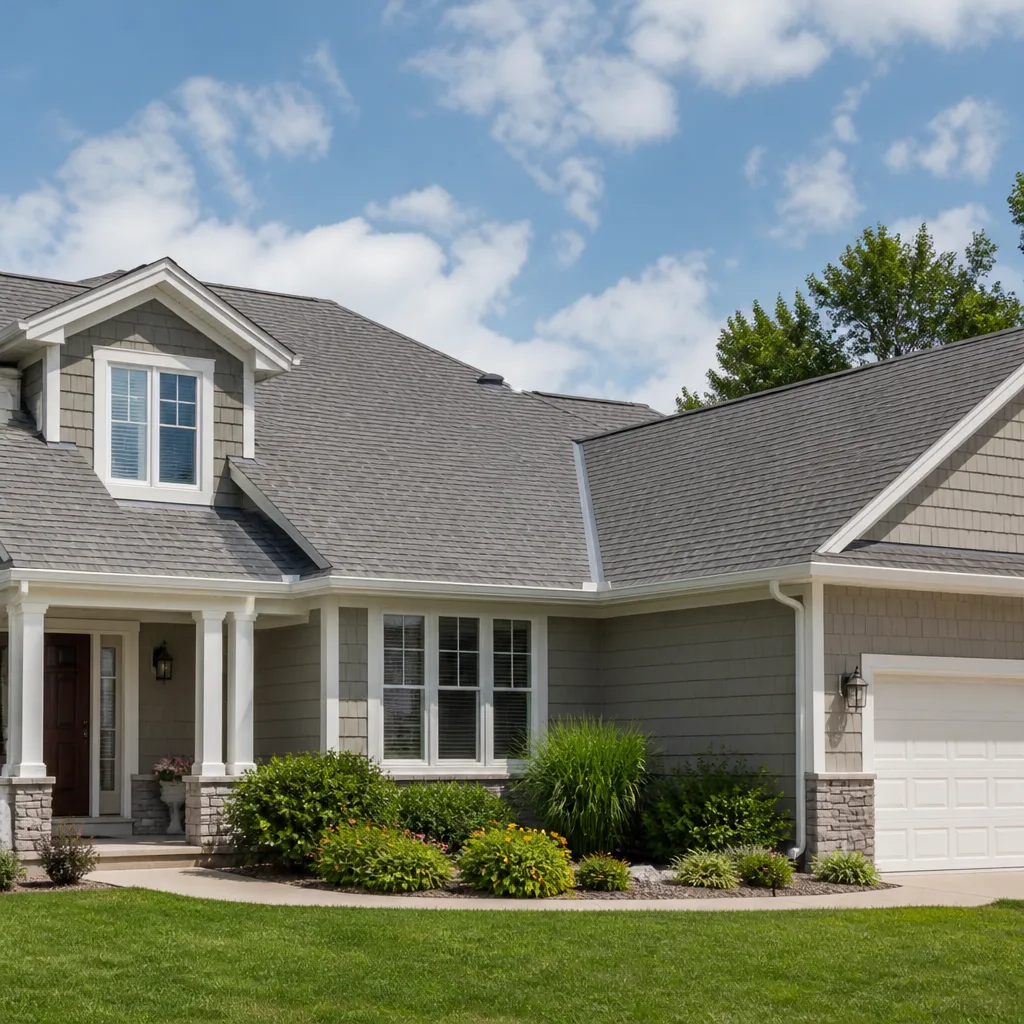 Owens Corning
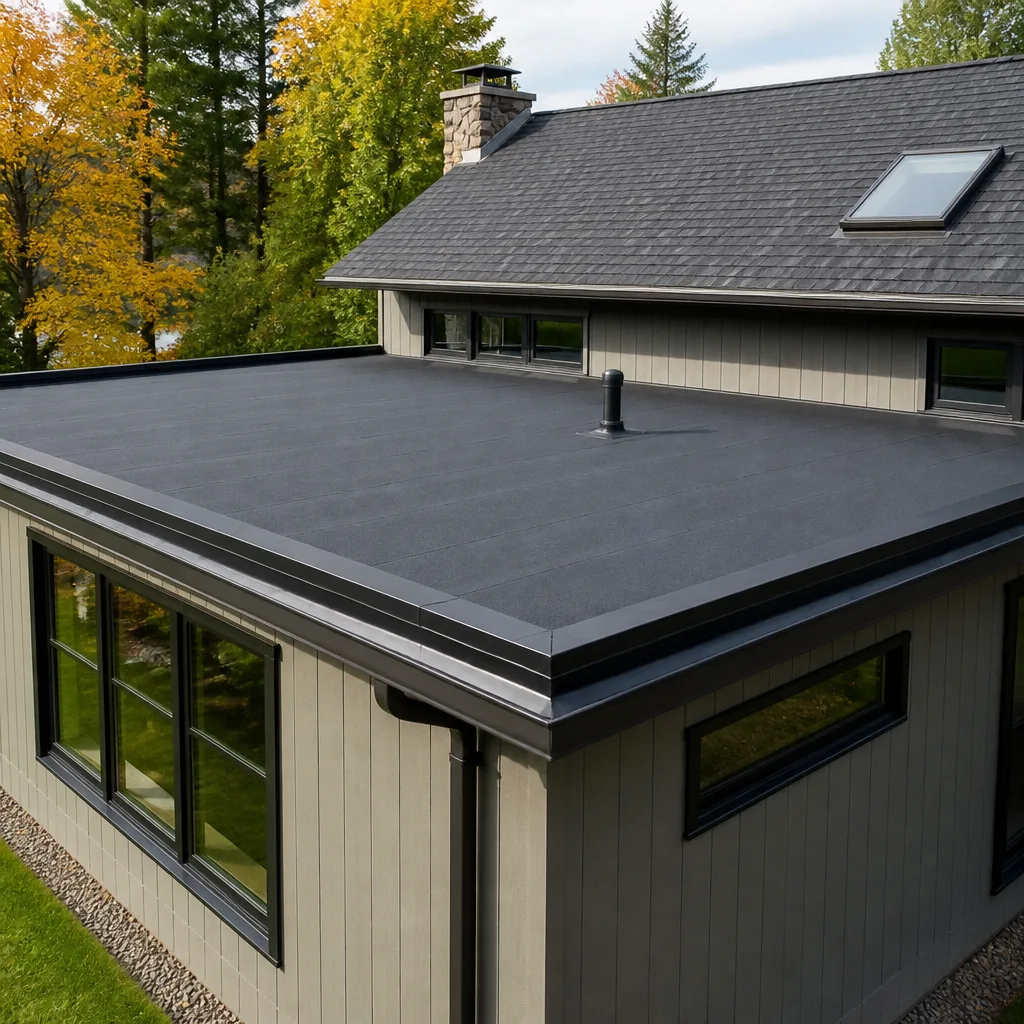 Flat & low-slope
Free roof inspection with deck photos before we talk money - GAF and Owens Corning certified installation
Roof Repair Maintenance Checklist for Victorville Homeowners
Every Victorville roof lives two lives. From May through October, it endures a relentless dry bake: UV indexes that register in the very high range day after day, surface temperatures on dark shingles that climb past 160 degrees, and thermal cycles that flex roofing materials from dawn chill to midday furnace. Then November arrives and the first winter storm hits a surface that hasn’t seen meaningful moisture in six months. That transition is when hidden summer damage becomes active water intrusion. This guide gives you a maintenance checklist built around that real weather calendar, not a generic spring-and-fall template lifted from a Seattle roofing blog.
Styles & brands we work with
Quick Answer
A Victorville roof maintenance checklist should be organized around three inspection points: early June (before monsoon moisture arrives), mid-October (after the summer UV bake, before winter rains), and immediately after any storm producing more than half an inch of rain or wind over 40 mph. At minimum, check shingle granule loss, flashing seals around penetrations, flat-roof drainage, and attic ventilation after each window. Most homeowners can handle visual inspection and debris clearing from the ground; anything requiring ladder work on a high desert roof should involve a professional who knows what thermal shock damage looks like in the Mojave.
Table of Contents
- Why Victorville Has Two Damage Seasons, Not Four
- The Right Inspection Triggers for the Mojave Calendar
- How to Check Granule Loss Like It Actually Tells You Something
- Flat and Low-Slope Roof Drainage Checks for High Desert Storms
- Flashing and Penetration Checks Around Vents, Pipes, and Chimneys
- Which Maintenance Tasks Keep Warranties Valid (and Which Void Them)
- The Repair Now vs. Monitor Decision Framework
- Attic Ventilation: The Part of Roof Health Nobody Sees
- Common Mistakes to Avoid
- When to Call a Professional
- Frequently Asked Questions
- The Bottom Line
Why Victorville Has Two Damage Seasons, Not Four
Most roofing maintenance advice online assumes a four-season climate with spring thaw and fall leaf drop. Victorville doesn’t work that way. The Mojave has two distinct damage seasons, and your maintenance schedule should map to them directly.
Damage Season One: The Summer Bake. From late May through early October, Victorville roofing materials endure sustained UV radiation at high altitude, where there’s less atmosphere filtering the sun. Asphalt shingles lose volatile oils. Flashing sealants dry and shrink. Rubber boots around vent pipes crack. The expansion cycle works every day: materials swell in the heat, contract at night, and the repetitive stress slowly breaks bonds at seams and fasteners. All of this damage is invisible from the ground. None of it leaks during the dry season because there’s no water to exploit the openings.
Damage Season Two: The Winter Rain Shock. When the first real storm arrives, water hits materials that have been thermally stressed for months. The gaps that opened gradually in August become active leak points in November. And the winter rains in Victorville aren’t gentle: a single storm can drop half an inch in an hour, overwhelming drainage paths that would be adequate for a slow drizzle but fail under High Desert storm intensity.
This isn’t theory. We’ve inspected enough Victorville roofs to know the pattern. Homeowners call us in February for a leak that started in November, and the root cause is almost always a seal that failed in July. Our Roof Inspection in Victorville service exists precisely because these seasonal failures are predictable when someone knows what to look for.
The Right Inspection Triggers for the Mojave Calendar
Here’s the problem with generic advice like “inspect your roof every spring.” Spring in Victorville is already warm, and many of the winter leaks have revealed themselves by then but the summer damage hasn’t started. You’re chasing yesterday’s problem. The more effective approach is scheduling maintenance around the two weather transitions that actually cause damage.
Trigger One: Early June (Pre-Monsoon Moisture)
Late June and July bring monsoon moisture up from the Gulf of California. In Victorville, that means brief but intense afternoon storms that can dump water faster than most roofs can drain. Inspecting in early June gives you a chance to address drainage issues before the moisture arrives.
- Clear all debris from valleys, gutters, and downspout openings (from the ground if possible).
- Check the condition of sealant around plumbing vent stacks and roof penetrations. High-resolution photos from the ground with a zoom lens work better than most people expect.
- Walk the perimeter of the home and look for shingle edges lifting or curling. Any shingle that catches the light at a different angle than its neighbors is a candidate for wind damage.
- If your home has a flat or low-slope roof section, check that no ponding water from the previous winter left staining that indicates drainage slope failure.
Trigger Two: Mid-October (Post-Summer Bake, Pre-Winter Rains)
This is the critical maintenance window for Victorville roofs. The summer has done its damage, and the winter rain will exploit it. Early to mid-October gives you time to address what the heat exposed.
- Inspect granule loss (detailed method below).
- Check all flashing points: chimney bases, vent pipes, skylights, and the drip edges at roof-to-wall intersections.
- After the first significant rain of the season, check the attic or ceiling for any new water staining. Catching a small leak in October costs a fraction of what ignoring it until February costs.
Trigger Three: Post-Storm Follow-Up
Any storm producing more than half an inch of rain or sustained winds over 40 mph warrants a follow-up look. You don’t need to climb on the roof: walk the perimeter, look for shingles in the yard or street, and check the ground under downspouts for roofing granules that might indicate shingle deterioration. For heavy storms, a professional Roof Repair in Victorville company can check for damage most people miss from the ground.
How to Check Granule Loss Like It Actually Tells You Something
Granule loss on asphalt shingles is the most common condition issue we see on Victorville roofs, and most homeowners check it wrong. They look at a roof through tree-filtered light from ground level and either say “looks okay to me” or “it’s raining granules, time to replace.” Neither tells you anything useful. Here’s the method that gives you a real remaining-life estimate.
Step One: Understand what granules actually do. Granules are ceramic-coated stone embedded in the shingle’s asphalt layer. They block UV radiation from reaching the asphalt, which would otherwise oxidize and become brittle within a few years. When granules wear off, the asphalt is exposed to that High Desert UV intensity I mentioned earlier, and degradation accelerates quickly. Granule loss isn’t cosmetic; it’s the early indicator of UV failure.
Step Two: Find the real test location. Granule loss on a Victorville roof is rarely uniform. The areas that fail first are the south-facing and west-facing slopes, because they get the most direct UV exposure during the hottest hours. The north-facing slope may look nearly new while the south slope is critically depleted. If you only check the side of the house you see from the driveway, you’re getting a misleading sample. Check the sun-blasted slopes specifically.
Step Three: Inspect the runoff path. The best indication of active granule loss isn’t on the shingles themselves. It’s in the gutters, at the bottom of downspouts, and in the soil where downspouts discharge. After a rain, check those areas for small piles of granules. You’ll see them accumulate as dark specks in areas where water flows have slowed. A light dusting is normal for older roofs. A consistent stream of granules after every rain means the shingles are actively shedding their UV protection, and your remaining service life is measured in years, not decades.
Step Four: Evaluate the shingle surface. From the ground with binoculars or a zoom lens, look at the shingle tabs. You’re checking for two conditions: patchy areas where granules are gone and the asphalt is exposed (often appearing as dark, shiny spots), and ridges along the shingle where granule wear exposes a different color layer. Exposed asphalt on a Victorville roof is a countdown timer, because the UV accelerates once the protection is gone.
What the results mean: A roof with uniform granule coverage and clear mineral surface has years of remaining life. A roof with exposed asphalt patches on south and west slopes needs monitoring every few months and likely repair or replacement within 2-5 years depending on severity. A roof where you can see bare asphalt across multiple slopes has reached the end of its design life, and repair is increasingly a temporary measure. In our experience with Victorville homes, granule loss is the single best predictor of which roofs will fail next winter.
Flat and Low-Slope Roof Drainage Checks for High Desert Storms
Many Victorville homes have flat or low-slope roof sections: patios, additions, attached garages, and mid-century designs common in older neighborhoods. Flat roofs don’t shed water by gravity the way steep slopes do. They rely on a drainage system, and when that system fails, water ponds. A ponding roof in Victorville is more dangerous than in other climates because the winter storms arrive after the summer has already thermally stressed the membrane.
The most common failure we see: homeowners never check their flat roof drainage until there’s an active leak, by which time the ponding water has already degraded the membrane to the point of needing significant repair. The fix that would’ve cost a few hundred dollars becomes a full section replacement.
- Identify the drainage path. Flat roofs drain through internal drains, scuppers (openings in the parapet wall), or edge drainage. You should know which system your roof uses and where each outlet is located.
- After any significant rain, check for ponding. From a second-story window or by using a camera on a pole, look for areas where water remains standing more than 48 hours after the rain stops. Standing water that remains longer than 72 hours is accelerating membrane degradation.
- Clear debris before the storm season. High Desert storms kick up dust, leaves, and debris that collects around drains and scuppers. A drain blocked by a single cluster of leaves can hold enough water to add significant weight to a roof section and force water under the membrane at seams.
- Check membrane corners and seams. The first places flat-roof membranes fail are at the corners, where material is pulled in multiple directions under thermal expansion, and at lap seams, where the bond weakens over time. After the summer bake, these areas are at their most vulnerable. Look for lifting edges, visible cracks, or areas where the surface appears cracked or blistered.
Flat roof maintenance in Victorville follows the same seasonal triggers: check drainage in early June before the monsoon moisture season, and re-inspect in October before the winter rains. The difference from sloped roofs is that maintenance failures show up as ponding rather than runoff, which means you’re often looking for what’s not draining rather than what’s visible.
Flashing and Penetration Checks Around Vents, Pipes, and Chimneys
Flashing is the metal material that creates a waterproof transition where the roof meets a vertical surface: chimney bases, plumbing vent pipes, skylights, valley intersections, and wall-to-roof transitions. In Victorville, flashing fails before shingles do. The reason is simple: metal expands and contracts at a different rate than the surrounding roofing material, and the sealant that bridges that gap is constantly under stress from the High Desert’s temperature swings.
Here’s what to inspect and what failure looks like:
- Plumbing vent pipe boots. These rubber boots seal the gap between the pipe and the shingles. After several Victorville summers, the rubber loses flexibility and cracks, especially on south-facing roof planes. Look for cracks in the rubber collar around the pipe body; if you can see the pipe through a gap in the rubber, water is getting through.
- Chimney flashing. The metal flashing around a chimney has three parts: base flashing (under the shingles), step flashing (along the chimney sides), and counterflashing (embedded in the chimney mortar). The most common Victorville failure is at the counterflashing-to-mortar joint, where the mortar shrinks in the dry heat and opens a gap between the brick and the metal. Check for visible gaps in that joint, especially after the first winter rains.
- Valley flashing. Valleys are the junctions where two roof slopes meet. Water concentrates there. Victorville’s occasional intense rain events mean valley flashing carries more water in a 30-minute period than many climates see in a full day. Look for exposed fasteners, rust spots, or debris accumulation that could back water up under the shingles.
- Wall-to-roof transitions. Where a second-story wall meets a lower roof plane, the flashing is often hidden behind the stucco or siding. Failure here shows up as ceiling staining on the lower floor. The warning sign visible from the ground is staining on the wall surface below the transition line, which indicates water is getting behind the flashing.
Most flashing inspection can be done from the ground with a zoom lens or binoculars. None of it requires climbing onto the roof, which is worth repeating because that’s where homeowners get hurt. A Victorville roof inspection that involves ladder access to the roof surface is work for a professional with fall protection equipment and insurance.
Which Maintenance Tasks Keep Warranties Valid (and Which Void Them)
Here’s a section most roofing guides skip entirely, and it’s one of the most financially consequential pieces of information in this entire guide. Manufacturer warranties on roofing materials, including the lines we work with from GAF, CertainTeed, and Owens Corning, generally require specific homeowner maintenance to remain valid. And some well-intentioned maintenance actually voids coverage.
Required to keep warranties valid:
- Documented inspection. Most material warranties require the homeowner to maintain the roof in reasonable condition. That means addressing damage promptly when it appears, not when it becomes convenient. A warranty claim for a leak that follows six months of visible damage will likely be denied.
- Proper debris removal. Allowing debris to accumulate in valleys and around penetrations accelerates moisture exposure and granule loss. Warranties assume the homeowner clears these areas regularly.
- Professional repair of material defects. If a manufacturing defect appears (which is rare but does happen), the warranty requires repair or replacement using an authorized contractor. DIY patching a warranty issue can void the remaining material coverage.
What voids material warranties:
- Pressure washing the roof. This is the big one. Pressure washing removes granules from asphalt shingles, immediately reducing their UV protection and shortening service life. If a manufacturer identifies granule loss from pressure washing in a warranty claim, the claim will be denied. Never let anyone pressure wash your roof.
- Sealing or coating over asphalt shingles. Applying liquid sealants or roof coatings over an asphalt shingle roof changes the thermal performance of the shingles and often traps moisture. Most manufacturers explicitly void warranties for roofs treated with aftermarket coatings.
- Walking on fragile materials. Clay tile and slate roofs in Victorville are durable, but they’re also easy to break when walked on incorrectly. A homeowner who walks on a tile roof to inspect it and breaks tiles has caused damage that’s not covered by any warranty. Tile roof inspection requires professional techniques to distribute weight across the roof surface.
- Incorrect fastener replacement. Pulling a broken shingle and using the wrong nail type, wrong nail placement, or too many nails can damage the shingle’s sealing strip and compromise the surrounding shingles. A tiny DIY repair can void warranty coverage on the surrounding area.
The takeaway: keep your roof clear of debris, document inspections, address damage promptly through a qualified contractor, and don’t pressure wash or walk on it. That covers the vast majority of warranty maintenance requirements, and it aligns with the regular seasonal checks this guide recommends anyway.
The Repair Now vs. Monitor Decision Framework
Most Victorville homeowners face this question at some point: I found a small issue. Is it fix-it-now serious or watch-it-casually minor? Contractors often push toward replacement because it’s a bigger job. Homeowners often push toward ignoring because it’s cheaper today. Here’s the framework we use to give honest recommendations, so you can evaluate any advice you receive.
Repair now if:
- The issue involves water actively reaching the roof deck or interior. Once water is getting past the roofing material, it’s not a surface problem anymore. The roof deck, insulation, and ceiling materials are now exposed, and the repair cost goes up every week it’s left unaddressed. On a Victorville roof, the next rain may be weeks away, which creates a false sense of safety.
- The issue is at a critical penetration point. Flashing around a chimney, skylight, or plumbing vent failing means water is entering the structure at a predictable point. Even small leaks in these locations cause permanent damage to the surrounding wood framing.
- The issue is spreading. Shingle damage that was limited to a few tabs last season and covers several square feet this season is a progressive failure. The pace will accelerate as more underlying material is exposed.
- The roof is at or beyond its expected service life. An asphalt shingle roof in Victorville typically lasts 15-25 years depending on quality, pitch, and sun exposure. Once a roof crosses that threshold, new issues appearing are signals that the system is failing, not isolated problems.
Monitor if:
- The issue is cosmetic and stable. Slight granule loss on a north-facing slope that hasn’t changed across multiple inspections? That’s normal aging. Document it and re-check seasonally.
- The issue is isolated and contained. A single cracked shingle with no signs of water penetration and no surrounding damage can be monitored until the next scheduled maintenance window. If it’s in a visible, water-shedding location, it may still be worth a quick repair.
- The issue hasn’t changed across a full seasonal cycle. If you flagged something in October, re-checked after winter rains, re-checked after summer, and it shows no progression, it’s likely stable. Some minor roofing conditions plateau and never become failures.
We’ve seen Victorville homeowners spend thousands on premature replacements and we’ve seen homeowners ignore a failing flashing for six months until the ceiling collapsed. Both outcomes are avoidable when the decision’s based on a calm evaluation of what’s actually happening. Our Roof Repair in Victorville approach starts with understanding which category your issue falls into, not with pushing the biggest job possible.
Attic Ventilation: The Part of Roof Health Nobody Sees
Every roofer in Victorville will tell you attic ventilation matters, but surprisingly few homeowners understand why it belongs on a maintenance checklist. Improper attic ventilation doesn’t just make your cooling bills higher; it directly shortens the life of your roofing materials.
The mechanism is invisible but destructive. When an attic isn’t adequately ventilated, heat from the summer sun builds up in the attic space and radiates down through the roof deck into the shingles from below. Shingles are designed to shed heat and UV from above; when they’re also being baked from underneath, the asphalt layer degrades faster. On a Victorville roof with dark shingles and poor attic ventilation, shingle surface temperatures can exceed 170 degrees on the worst summer days. That’s well beyond what the materials are rated to handle continuously.
Winter brings a different ventilation problem: moisture. When warm, humid air from the living space rises into a cold attic, it condenses on the underside of the roof deck. Over weeks of winter in Victorville, that moisture soaks into the roof decking, causing the wood to swell and the fasteners to loosen. Nails that have held shingles for years begin to pull out slightly, creating small water entry points.
The maintenance tasks:
- Check that intake and exhaust vents are not blocked. Soffit vents can be painted over or blocked by insulation that’s shifted inside the attic. Ridge vents can be covered by debris. Both blockages stop airflow.
- Look for moisture signs in the attic each winter. Dark staining on the roof deck underside, frost on nails during cold mornings, or a musty smell are all indicators of condensation problems.
- Evaluate ventilation capacity. The standard recommendation is one square foot of net free ventilation area for every 150 square feet of attic floor area. Many older Victorville homes were built before modern ventilation standards and have half that.
When a homeowner asks us to assess why their shingles are aging faster than expected, ventilation is one of the first things we check. It’s one of those conditions that costs little to fix and significantly extends roof life.
Common Mistakes to Avoid
- Inspecting only the street-facing roof slope. The south and west slopes in Victorville get the most UV exposure and fail first. If you only check the side of the house you see from the driveway, you’re sampling the wrong data.
- Waiting for a leak to trigger inspection. By the time water reaches the ceiling, it has already passed through the roofing material, the underlayment, the roof deck, and the insulation. The damage is far beyond what a leak stain suggests. Regular seasonal inspection prevents this.
- Pressure washing the roof. This is the single most common maintenance error that actively damages a roof. It removes granules, the UV protection layer on asphalt shingles, and shortens service life immediately. Never allow it.
- Walking on the roof to inspect it. Clay tile, slate, and even older asphalt shingles can suffer damage from foot traffic. Most inspections can be done from the ground with binoculars or a camera zoom. If professional inspection requires roof access, that’s a pro with fall protection, not a homeowner on a Saturday afternoon.
- Ignoring small issues because the next rain is months away. Victorville’s dry season creates a false sense of security. The seal that’s failing in July will leak in November. And the damage between July and November compounds.
- Coating over asphalt shingles with aftermarket products. Liquid sealants and coatings trap moisture and alter the thermal dynamics of the shingle layer. Manufacturers void warranties for roofs treated this way.
- Accepting a replacement recommendation without an independent inspection. A roofer who jumps to “full replacement” after a quick ground-level look isn’t giving a full assessment. Ask for specific findings: which slopes, which penetration points, what condition the underlayment is in. If they can’t answer those questions, get a second opinion.
When to Call a Professional
Some maintenance tasks are genuinely DIY-friendly: clearing debris, checking gutters, photographing flashing from the ground. Others should involve a pro, and the line isn’t where most people think. If you see water staining on a ceiling or wall, active moisture in the attic, or granule loss that’s progressed to exposed asphalt on sun-facing slopes, don’t wait for the next seasonal inspection window. These are active failures, not maintenance items.
Ladder work on a roof is inherently risky, especially on two-story Victorville homes or roofs with steep pitches. If your inspection requires getting onto the roof surface, that’s the threshold where a professional with fall protection equipment and proper insurance should take over. Same for any work involving roof-mounted equipment, chimneys, or skylights. If you’re unsure whether an issue is maintenance or repair, Oakmont Roof Repair offers free estimates in Victorville. Call (866) 942-0875 and we’ll tell you honestly what you’re looking at, whether it’s a quick fix, a monitor situation, or something that needs planning.
If your roof is at or past its expected service life and you’re seeing multiple issues appear in a single season, it may be time to think about Roof Replacement in Victorville rather than continuing to patch. We work with materials from seven major brands including GAF, CertainTeed, Owens Corning, IKO, Atlas, Tamko, and Boral, so the conversation starts with what your roof actually needs, not which product we happen to stock. Start with a Roof Inspection in Victorville and get the facts before spending on anything.
Frequently Asked Questions
Inspect twice a year at minimum: once in early June (before monsoon moisture season) and once in mid-October (after the summer UV bake, before winter rains). Add a third inspection after any storm producing more than half an inch of rain or sustained winds over 40 mph. Most homeowners can handle visual checks from the ground with binoculars or a camera zoom.
UV-related granule loss on south-facing and west-facing asphalt shingle slopes is the most common issue we find on Victorville roofs. The sustained High Desert UV exposure at altitude accelerates shingle aging faster than most homeowners expect, and granule loss is the early warning sign. Call (866) 942-0875 for a professional assessment if you’re seeing exposed asphalt patches.
Ground-level maintenance like debris clearing, gutter checks, and photographic documentation are fine for homeowners. Anything requiring ladder access to the roof surface should involve a licensed, insured professional. The injury risk from roof falls is significant, and walking on tile or slate roofs can cause damage that voids warranties.
Minor repairs like sealant replacement or single shingle replacement typically run from $200 to $500 depending on roof access and material type. Larger repairs involving flashing replacement, underlayment repair, or section replacement run higher. The exact cost depends on your roof type, condition, and the specific repair needed. Contact Oakmont Roof Repair at (866) 942-0875 for a free estimate based on a real inspection, not a guess from the ground.
Insurance typically covers sudden, accidental damage like storm damage or a tree falling, not gradual deterioration from UV exposure or age. That distinction is why regular maintenance matters: a roof that fails from neglected maintenance is usually a homeowner expense, while a roof damaged by a covered event may be a claim. We can help document the condition of your roof for insurance purposes.
Asphalt shingle roofs in Victorville typically last 15-25 years depending on material quality, roof pitch, sun exposure, and ventilation quality. Tile and slate roofs can last 50 years or more with proper maintenance. The High Desert UV exposure shortens asphalt shingle life compared to coastal climates by 3-5 years on average. Working with a Oakmont Roof Repair home specialist who understands local conditions helps you get an accurate life estimate for your specific roof.
The Bottom Line
A Victorville roof maintenance routine built around the two weather transitions that actually matter, the pre-monsoon moisture season in June and the post-summer bake in October, will catch most problems before they become expensive repairs. The key checks are granule loss on sun-facing slopes, flashing integrity at penetrations, drainage on flat sections, and attic ventilation. The key mistakes to avoid are pressure washing, walking on fragile materials, and assuming no visible leak means no problem. If you find something that concerns you, call (866) 942-0875 for a free estimate from a roofing specialist who’ll tell you honestly whether it’s a repair-now issue or a monitor situation.
Written by the team at Oakmont Roof Repair, serving Victorville since 2013.
See the difference
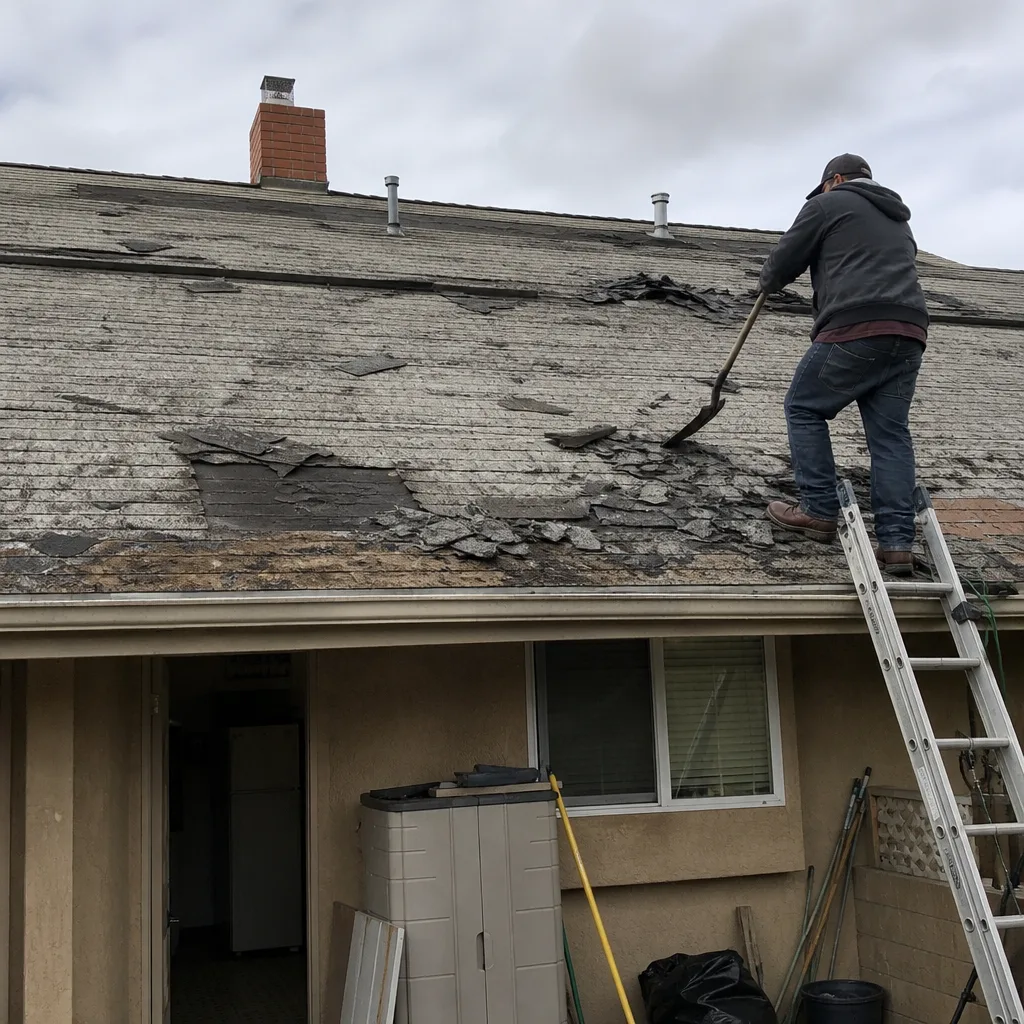 Before
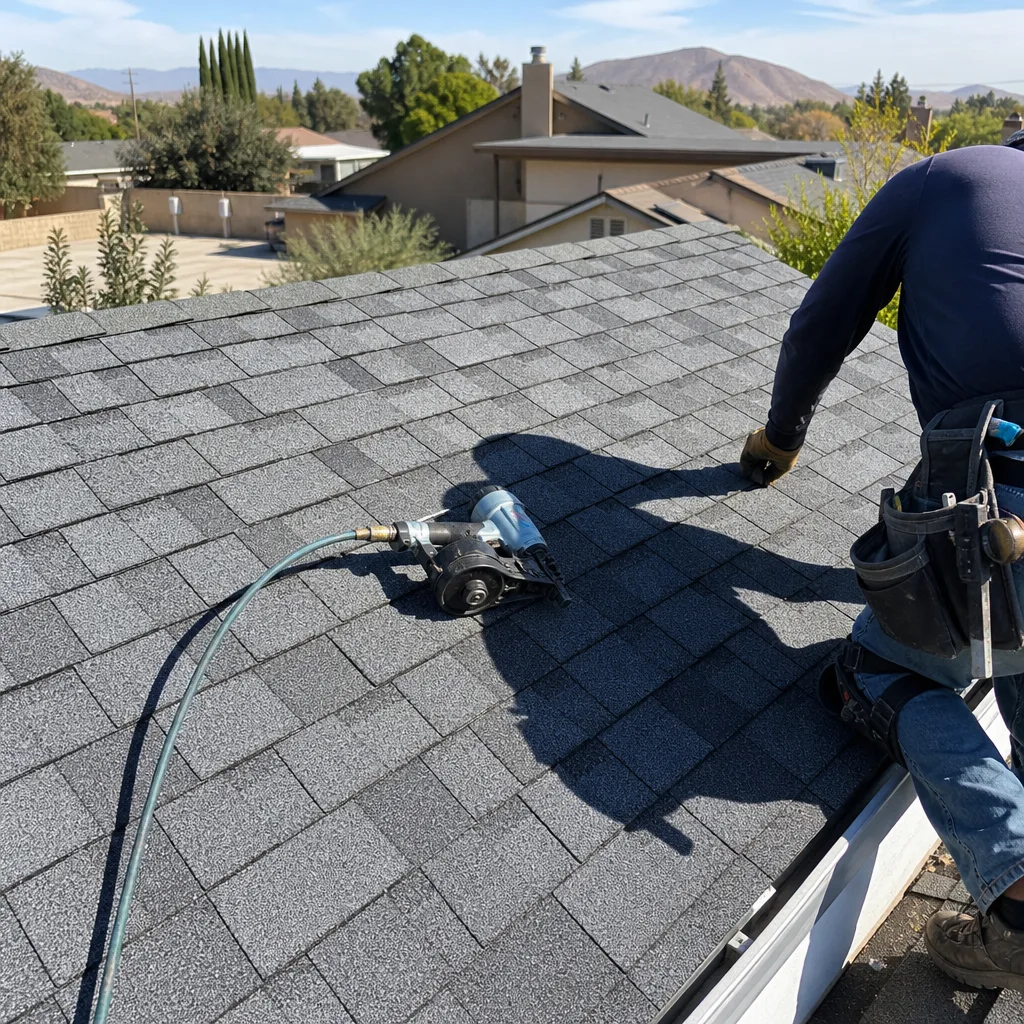 After
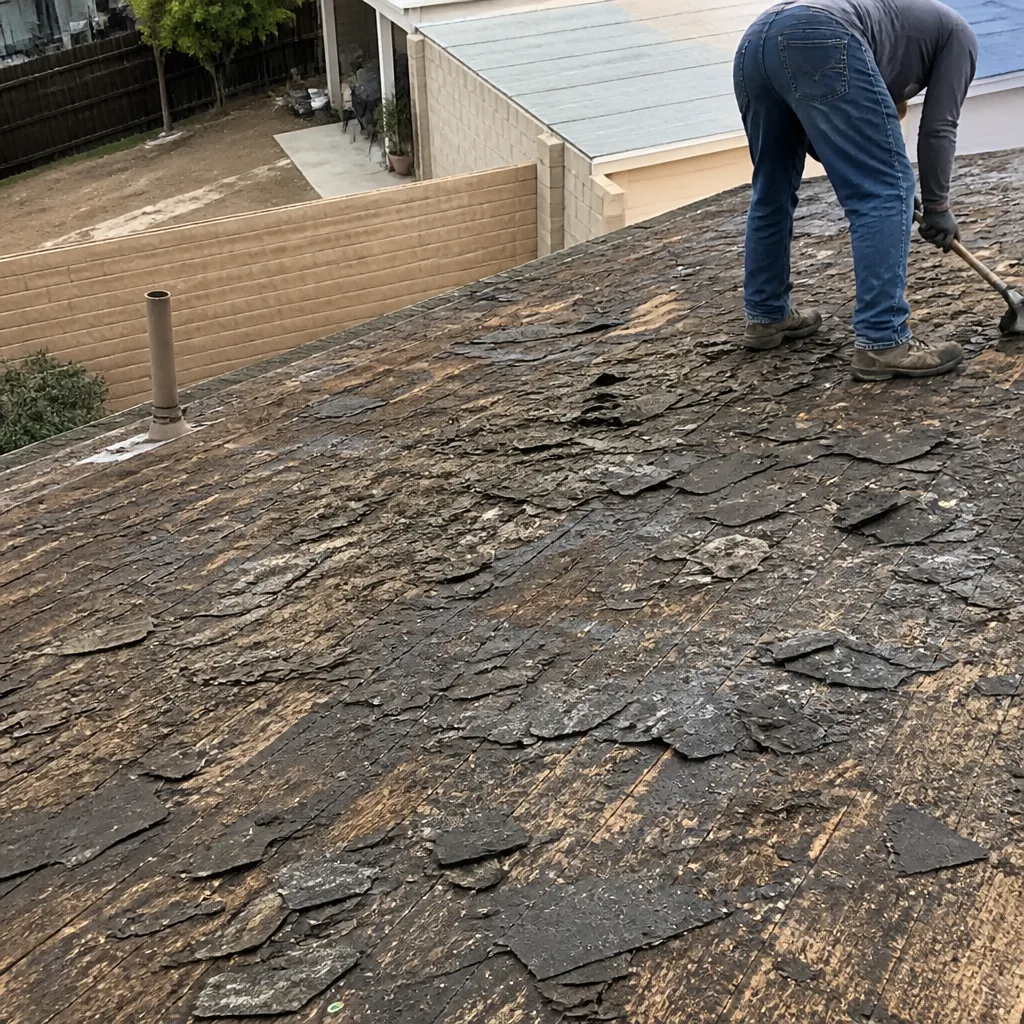 Before
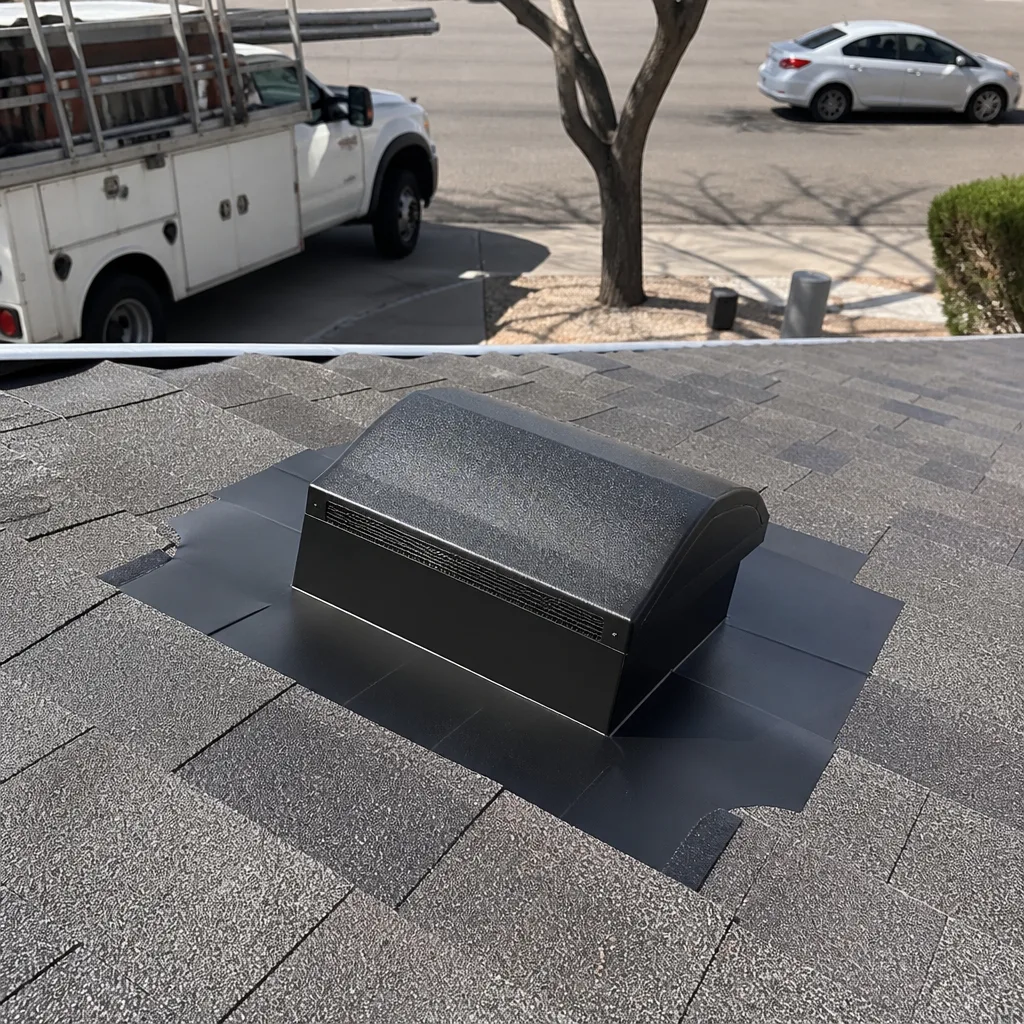 After
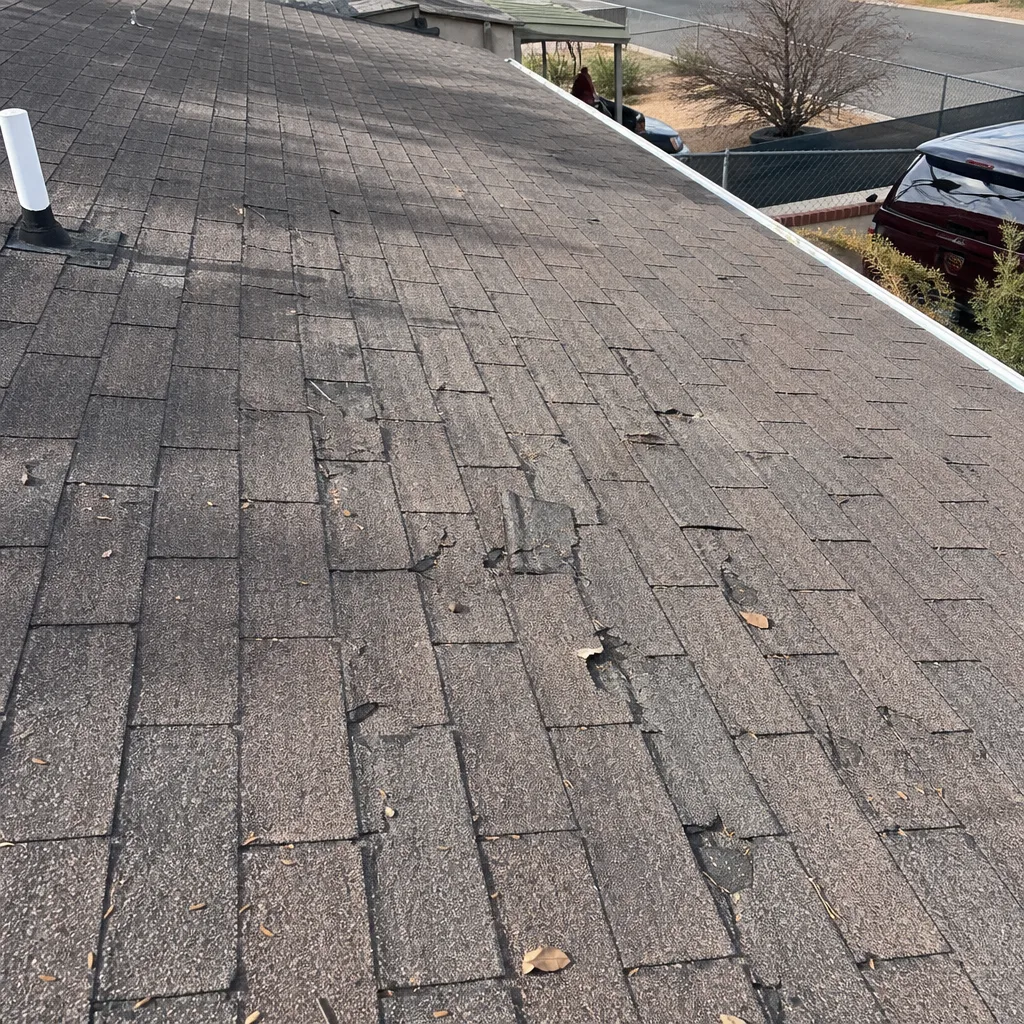 Before
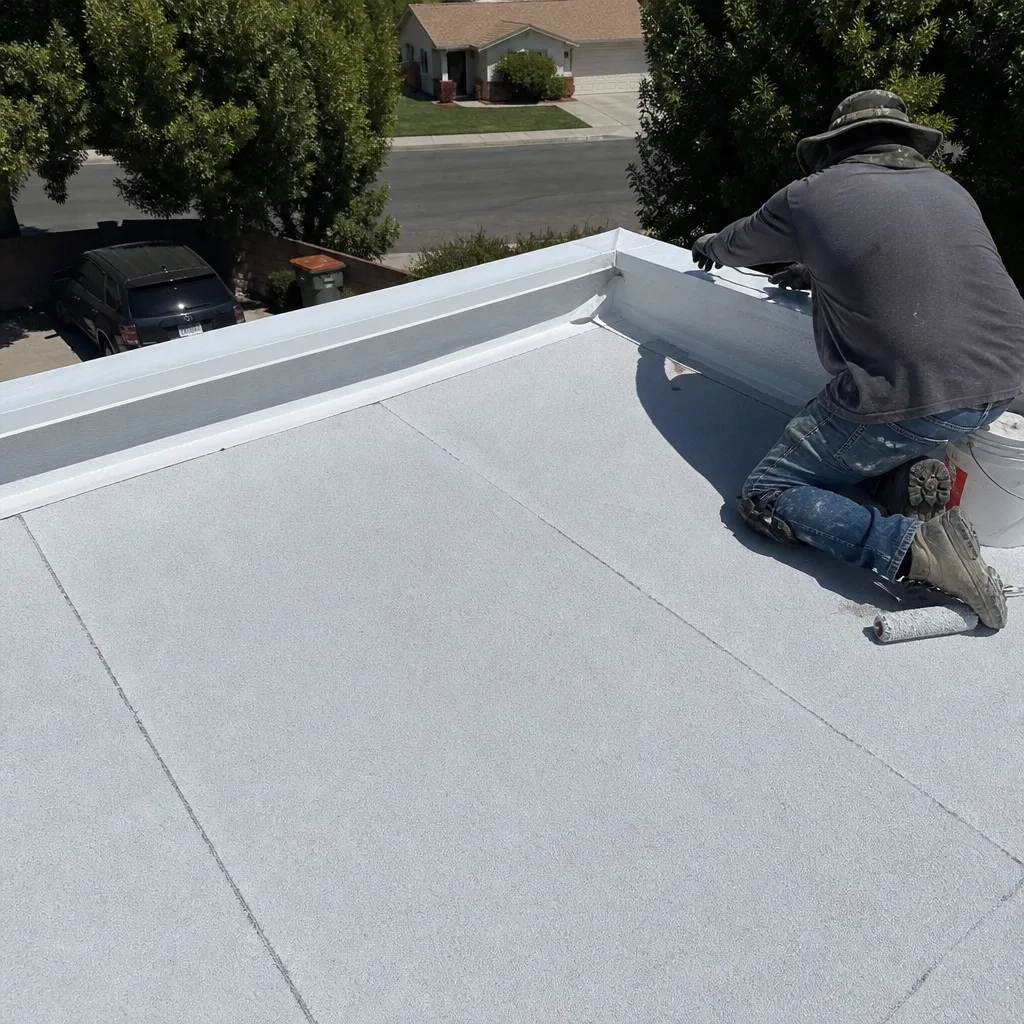 After