Last updated October 31, 2026
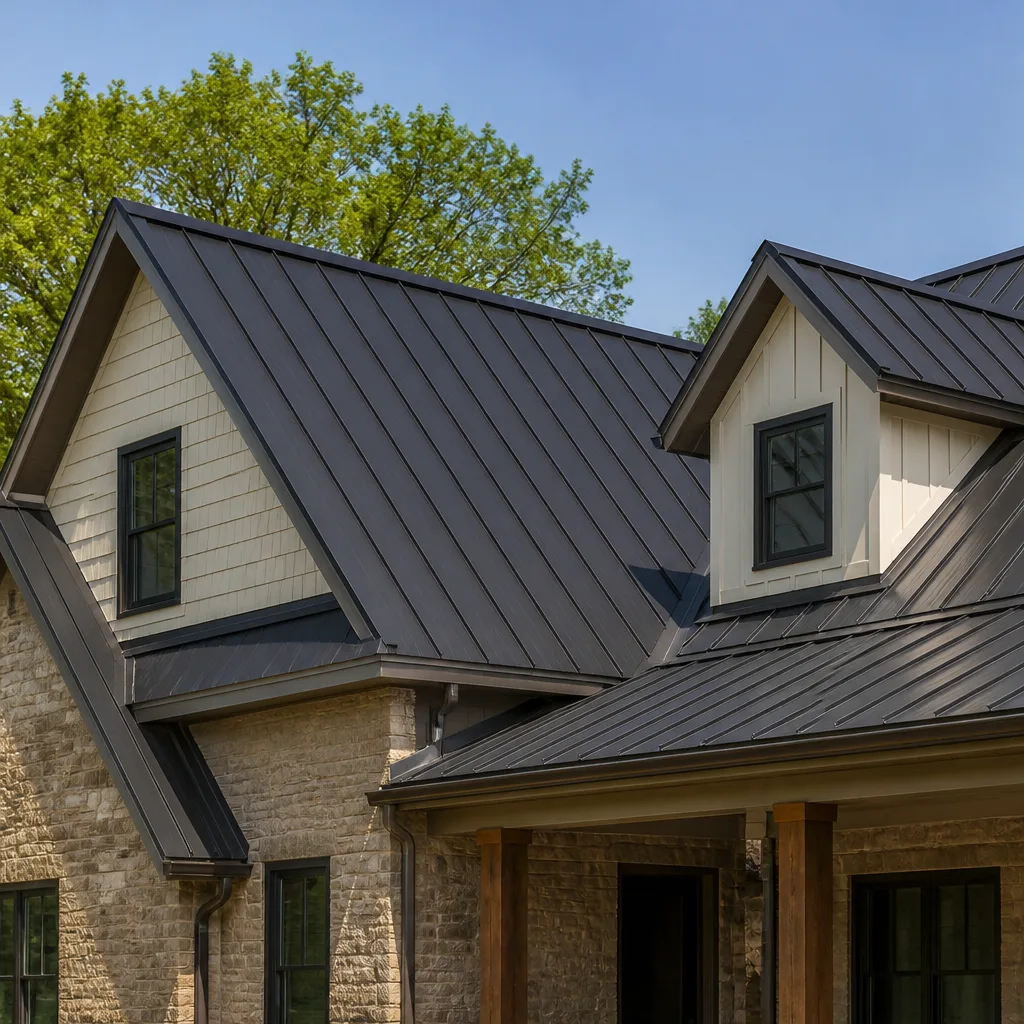 Metal roofing
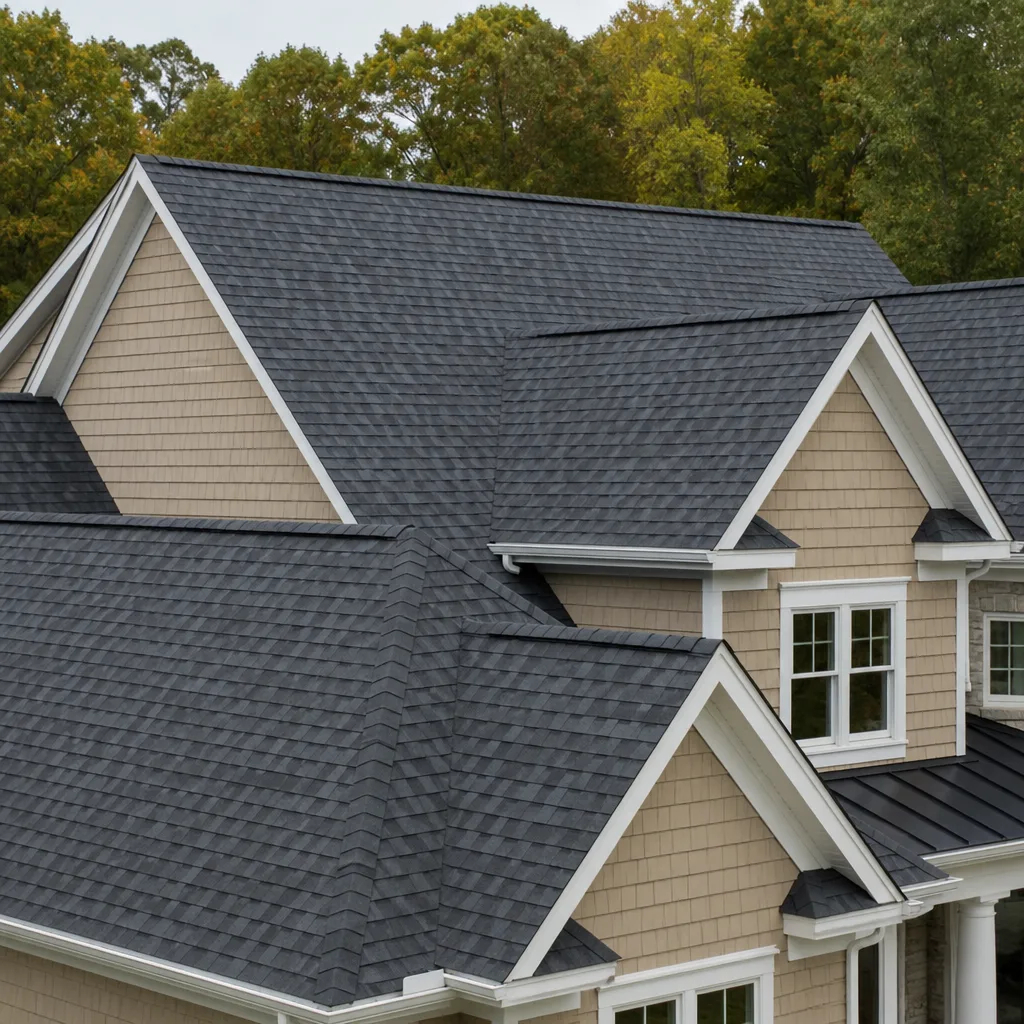 Architectural shingles
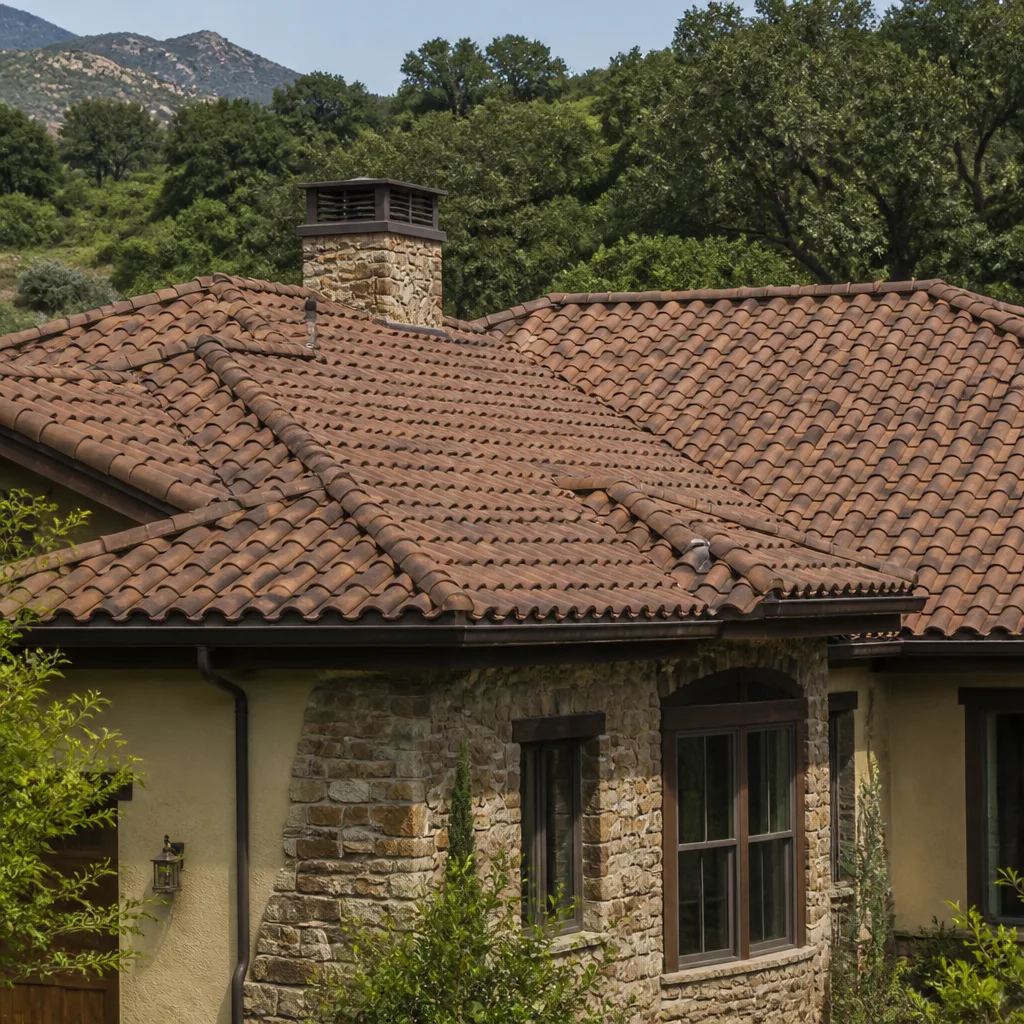 Tile roofing
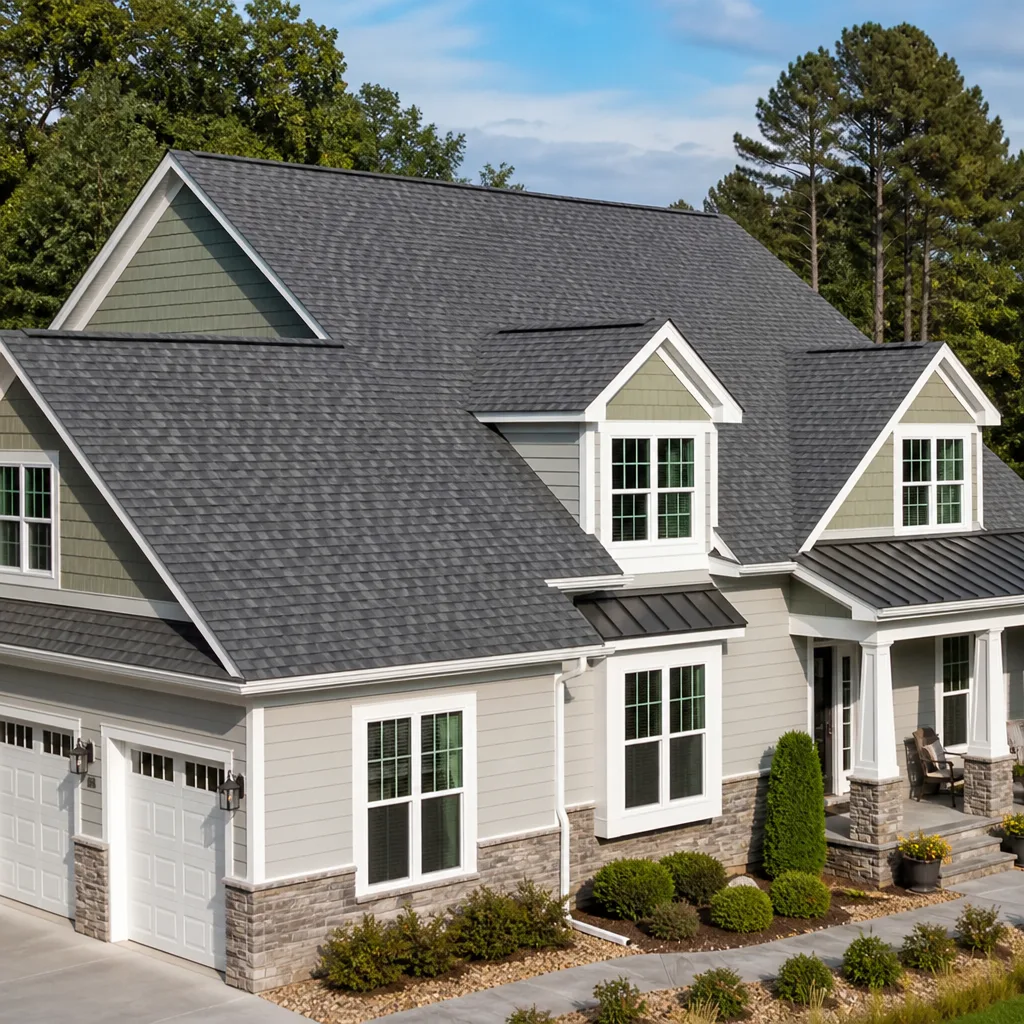 GAF
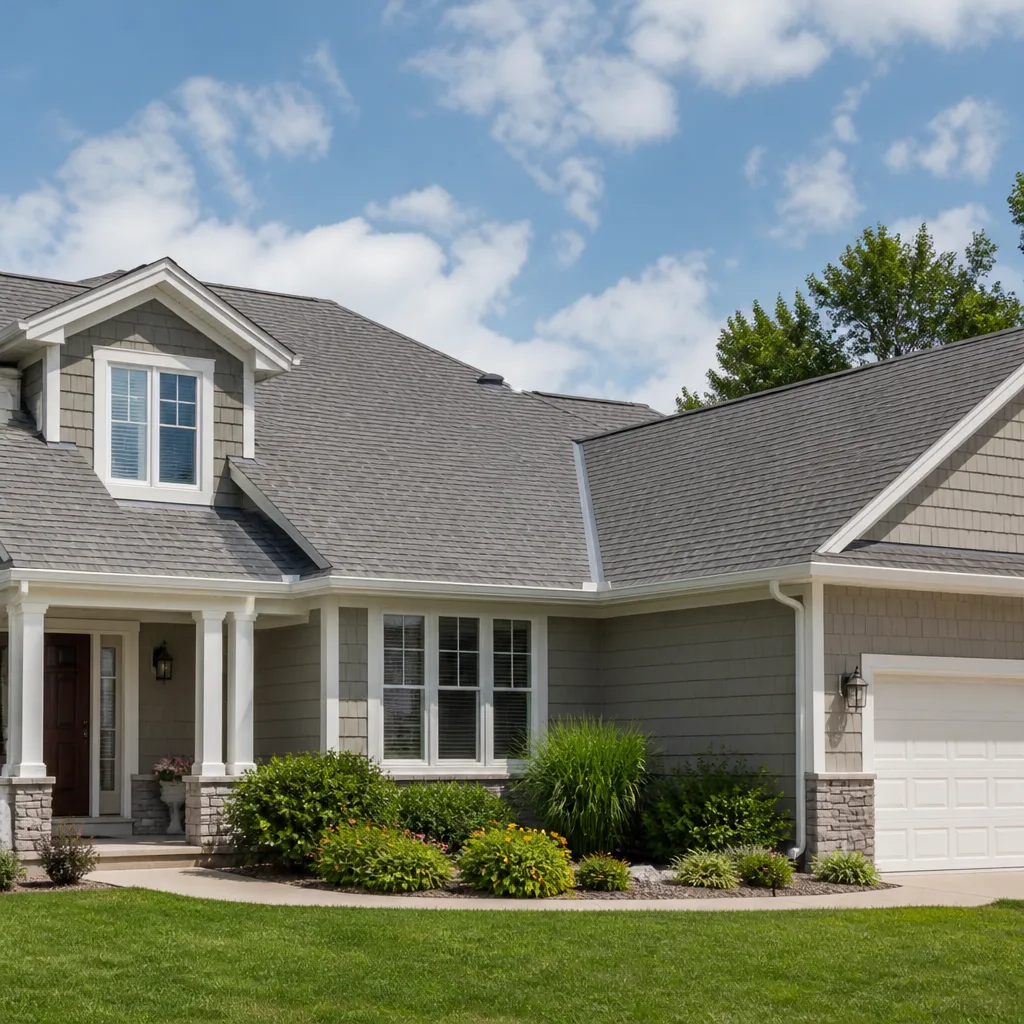 Owens Corning
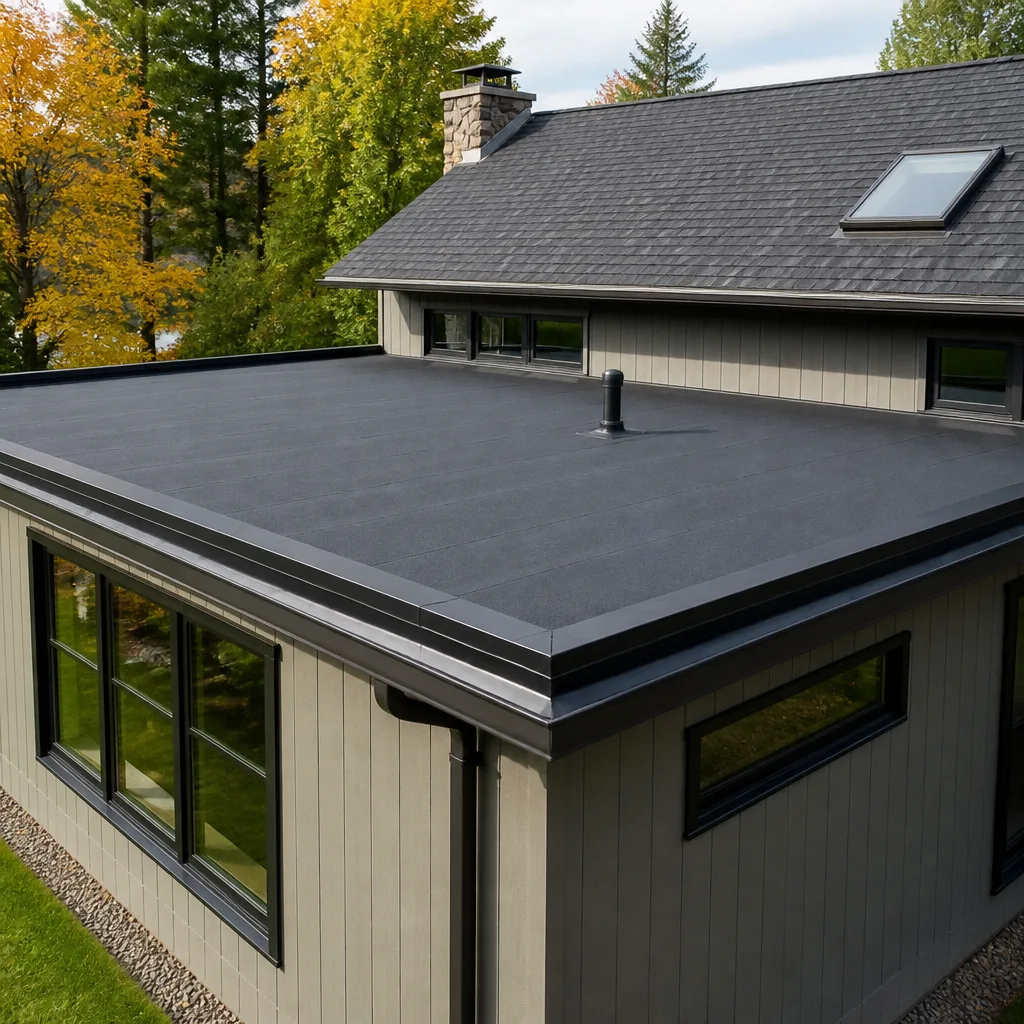 Flat & low-slope
Free roof inspection with deck photos before we talk money - GAF and Owens Corning certified installation
How to Hire a Roofing Contractor in Victorville: A Step-by-Step Guide
Roughly 70% of roofing contractors who show up in Victorville after a major hailstorm or wind event are from outside the High Desert. They descend from Los Angeles, San Diego, and the Inland Empire chasing insurance claims, then disappear back over the pass once the work dries up. That number is not hyperbole. It is what we’ve watched happen after every storm season for the past decade, and it’s the single biggest reason Victorville homeowners end up with roofs that fail early, leak, or get torn off by the next big gust. This guide walks you through the exact verification steps, the contract language that actually protects you, and the local code realities that separate a competent Victorville roofer from a coastal contractor who has never worked above 3,000 feet elevation. For more guides & resources, see our full collection.
Quick Answer
To hire a roofing contractor in Victorville, verify their California C-39 roofing license on the CSLB website, confirm they have active local project history through San Bernardino County permit records, require a written contract specifying exact material brands, grades, underlayment, and fastening patterns, and prioritize contractors who carry multiple manufacturer lines so material recommendations are based on your roof’s actual needs. A legitimate Victorville roofer will welcome every one of these verification steps. Anyone who resists them is not someone you want on your roof.
Styles & brands we work with
Table of Contents
- Step 1: Verify the License Classification (C-39 Matters More Than You Think)
- Step 2: Check Local Permit History Through San Bernardino County
- Step 3: Ask the Right Questions About Desert-Specific Materials
- Step 4: Get a Written Contract That Covers These Exact Line Items
- Step 5: Understand Victorville’s Inspection Process Before You Sign
- Step 6: Evaluate Material Options Without Getting Pushed Into One Brand
- Step 7: Get an Independent Inspection Before Committing to Replacement
- Common Mistakes to Avoid
- When to Call a Professional
- Frequently Asked Questions
Step 1: Verify the License Classification (C-39 Matters More Than You Think)
California has well over 40 contractor license classifications, and only one of them, C-39, specifically covers roofing. A general contractor with a class B license can legally pull permits and hire roofing subcontractors, but that introduces a second company between you and the people actually installing your roof. When you hire a C-39 roofing contractor in Victorville, the crew on your roof works for the company you signed the contract with. That’s a meaningful difference when something goes wrong six months later and you need someone to stand behind the work.
The California State License Board publishes every active license online, and checking it takes less than a minute. Search by business name or license number, then verify three things: the classification is C-39, the license is active (not suspended or expired), and the business name on the license matches the name on the contract. You’d be surprised how often a Victorville homeowner gets a bid from a company operating under a name that doesn’t match their CSLB record. That’s a red flag, not a paperwork technicality.
Unlicensed roofing work is not an abstract problem in the High Desert. It shows up in two recurring forms: a handyman who offers to “patch” a roof for cash, or an out-of-town crew that works under a local contractor’s license number without actually being employed by that contractor. Both arrangements leave you with zero recourse if the work fails, and both are common enough in Victorville that the city and county have had to address them in public permit notices. If anyone tells you a roof repair or replacement doesn’t need a permit, that’s your cue to end the conversation.
In our experience at Oakmont Roof Repair, legitimate Victorville roofers are happy to hand you their license number before you even ask. We keep ours printed on every estimate because we want homeowners to check it. A contractor who acts offended by the question is telling you something important about how they operate.
Step 2: Check Local Permit History Through San Bernardino County
A license proves someone is allowed to work. Permit records prove they have actually worked here. This distinction matters more in Victorville than it does on the coast because the High Desert’s building market swings hard. When construction is booming, crews appear overnight. When it slows, they vanish. The San Bernardino County building permit portal lets you search by contractor name and see every roofing permit pulled in the county, with dates, addresses, and project scopes.
Why does local permit history matter? Because roofing in the High Desert is technically different from roofing in Los Angeles or Orange County, and the county inspection process reflects that. Contractors who have pulled permits in Victorville, Apple Valley, Hesperia, and Adelanto have passed inspections under local field inspectors. They know how San Bernardino County sequences roof inspections, which means they know which parts of the job have to be visible for the inspector and which parts can be covered. A coastal roofer showing up for their first High Desert job will often fasten and cover things in the wrong order, fail the inspection, and then have to tear work apart to pass. You pay for that delay in time and in change orders.
When you’re evaluating bids, ask each contractor for a list of their last five roofing permits in Victorville or the surrounding High Desert communities. Don’t accept “we do work all over the Inland Empire” as an answer. Ask for specific permit numbers. A contractor who can’t produce them either hasn’t done the work or is structuring jobs to avoid pulling permits at all. Both are disqualifying.
You can also search permit records by your own address, not to check contractors, but to discover what’s already been done to your roof. If you just bought the home, this step is worth more than any home warranty. A roof that was replaced 12 years ago under a permitted job has a known material history. A roof that was patched repeatedly with no permits tells a very different story.
Step 3: Ask the Right Questions About Desert-Specific Materials
Victorville’s climate punishes roofs in ways that coastal California climates simply don’t. Summer attic temperatures regularly cross 160°F. UV exposure is relentless at 2,700 feet of elevation with minimal cloud cover. Thermal cycling, the daily expansion and contraction of roofing materials, is more extreme here than almost anywhere else in Southern California. Then there’s the wind. The Victor Valley gets sustained seasonal gusts that can hit 60 to 70 mph through the Cajon and Lucerne corridors.
A roofing contractor who has only ever worked in Los Angeles or San Diego may not think about any of this when they spec your roof. They might spec an underlayment grade that’s fine for marine-layer climates but breaks down in High Desert UV. They might fasten shingles with a nail pattern that handles coastal breezes but not the uplift forces of a Victorville wind event. They might not account for thermal expansion at all, which is how you end up with shingles that crack, curl, or blow off within three to five years.
Here are the questions you should ask a Victorville roofing contractor, and the answers you should expect:
- “What underlayment do you use in the High Desert, and why?” The answer should reference UV stability and high-temperature performance. If they say “standard synthetic,” ask them to be specific. The grade matters.
- “How do you handle thermal expansion on a re-roof?” They should be able to talk about fastener patterns, expansion allowances, and material choices without pausing. This is not an exotic question in Victorville. It’s daily reality.
- “What wind rating can your install meet?” A competent local roofer will know what uplift rating your specific roof needs based on exposure. They won’t just say “it’ll be fine.”
- “How many roofs have you installed in the High Desert in the last three years?” Get a number. Then verify it against permit records.
At Oakmont Roof Repair home, we carry materials from multiple manufacturers precisely because no single brand line is right for every Victorville home. A north-facing roof in a shaded Spring Valley Lake neighborhood faces different UV and thermal stress than a fully exposed south-facing roof in the flatlands of central Victorville. The material spec should follow the site conditions, not the other way around.
Step 4: Get a Written Contract That Covers These Exact Line Items
The difference between a good roofing contract and a bad one is specificity. A bad contract says “remove old roof and install new shingle roof.” A good contract tells you exactly what materials go on, how they’re fastened, what happens if rot is found in the decking, and when inspections happen. In Victorville, where the roofing market attracts more than its share of transient operators, the contract is your primary defense.
Here are the line items you should require in writing before you sign anything:
- Exact material brand and product line. Not just “architectural shingles.” The contract should name the manufacturer, the product line, and the color. If you’re getting a GAF, CertainTeed, Owens Corning, or IKO product, the contract should say exactly which one and which grade. Generic language gives a contractor room to substitute a cheaper product mid-job.
- Underlayment specification. The brand, the product name, and the grade of the synthetic or felt underlayment. This is the layer between your decking and your shingles, and it’s where material cost-cutting happens most often because you can’t see it after the job is done.
- Fastening pattern. How many nails per shingle, where they’re placed, and what type of nail. This is especially critical in Victorville’s wind conditions. A six-nail pattern costs pennies more per square but makes a measurable difference in wind resistance.
- Decking replacement rate. What does it cost per sheet of plywood or OSB if the crew finds rot? What’s the threshold for replacement? Some crews will replace decking aggressively to pad the bill. Others will skip it and fasten into rotten wood. Get the per-sheet price locked in writing.
- Inspection hold points. When does the San Bernardino County inspector come, and what stays uncovered until they arrive? This should be spelled out so you know the job won’t be fully covered before the inspector signs off.
- Payment schedule. California law limits roofing contractors to a 10% down payment or $1,000, whichever is less. If a Victorville roofer asks for more than that upfront, they’re either misinformed or breaking the law. Either way, move on.
- Change order process. What happens if the crew finds unexpected damage? Who approves the additional cost, and in what form? Get it in writing.
At Oakmont Roof Repair, every estimate we write includes each of these line items as standard. It’s not because we’re trying to bury homeowners in paperwork. It’s because a specific contract protects both sides. You know exactly what you’re getting, and we know exactly what we’re building.
Step 5: Understand Victorville’s Inspection Process Before You Sign
San Bernardino County has its own way of sequencing roofing inspections, and it’s not the same as what coastal cities do. If your contractor doesn’t know the local process, your project stalls at inspection time. That stall costs you time, and if the contractor isn’t local, it may cost you money in change orders while they figure out how to fix a failed inspection.
Here’s what a standard re-roof in Victorville involves on the permitting and inspection side:
- Permit application. Your contractor submits the roofing permit to San Bernardino County with the project scope, material specs, and the contractor’s license information. A homeowner can pull their own permit, but that makes you legally responsible for the work and the inspections. We don’t recommend it. Let the licensed contractor carry that liability.
- First inspection: deck condition. After the old roofing is stripped and before new underlayment goes down, the inspector checks the decking for rot, damage, and structural issues. If the deck needs repair, the inspector sees it at this stage and it gets fixed before anything is covered.
- Second inspection: underlayment and flashing. Some county inspectors want to see the underlayment installed and the flashing in place before shingles go on. This is the hold point that catches out-of-area contractors by surprise. On the coast, many jurisdictions skip this inspection or bundle it differently.
- Final inspection. After the roof is complete, the inspector walks the finished surface, checks the fastening pattern, verifies the materials, and signs off. Only then does the permit close.
The key thing to understand is that if your contractor has never worked in Victorville or the surrounding High Desert communities, they may not budget for these inspection hold points. They may schedule their crew assuming one inspection, then discover they need to leave the roof partially uncovered for a second one. That means either a delay or a rush job that compromises quality. A contractor with local permit history has already built these inspection points into their process and their schedule.
Step 6: Evaluate Material Options Without Getting Pushed Into One Brand
Many Victorville roofing contractors are aligned with a single manufacturer. They’re certified installers for one brand, they get volume pricing from that brand, and every roof they quote uses that brand’s products. That’s not automatically a bad thing, but it does limit your options and it does create an incentive for the contractor to recommend the product they stock rather than the product your roof actually needs.
A contractor who carries multiple manufacturer lines is in a different position. They’re buying from Tamko, Boral, GAF, CertainTeed, and others, which means they can quote you a value-tier product if your budget is tight or a premium product if your home warrants it. The recommendation is driven by the roof’s requirements and your budget, not by inventory pressure.
Why does this matter in Victorville specifically? Because the High Desert’s climate demands more from a roof than most of Southern California, and the right material choice varies by home. A modest 1,200-square-foot home in a dense Victorville neighborhood might be perfectly served by a solid mid-grade architectural shingle from Tamko or IKO. A larger custom home in Spring Valley Lake with complex sightlines and full desert exposure might benefit from a premium line from CertainTeed or GAF. A home with a flat-roof section, common in older Victorville construction, may need a different material entirely, like a Boral tile or a modified bitumen system, depending on the structure.
At Roof Replacement in Victorville, we walk homeowners through material options side by side, with pricing and performance trade-offs laid out clearly. You should expect the same from any contractor you’re seriously considering. If a roofer can only show you one product line, understand that their recommendation has a boundary condition: they can only recommend what they sell.
Step 7: Get an Independent Inspection Before Committing to Replacement
The roofing industry has a structural conflict of interest that most homeowners never see coming. When you call a repair company because you found a leak, that company has a financial incentive to tell you the whole roof needs replacing. A job that might be a $400 repair becomes a $25,000 replacement. Some companies push replacement more than others, but the incentive is always there.
The way to neutralize that incentive is to make the inspection a standalone service, paid for separately, with no obligation attached to the recommendation. A Roof Inspection in Victorville should result in a written condition report: what’s damaged, what’s wearing out on a timeline, what needs attention now, and what can wait. If the inspector is the same person who would profit from selling you a new roof, you have to evaluate their recommendation through that lens.
In Victorville, the value of an independent inspection is particularly high because roof damage tends to be cumulative rather than sudden. UV degradation happens over years. Wind damage accumulates storm by storm. A homeowner who hasn’t been on their roof in five years has no way of knowing whether the slight leak in the guest bedroom closet is a localized flashing issue or the leading edge of a roof-wide failure. An inspection answers that question with evidence.
At Oakmont Roof Repair, we offer roof inspections as a standalone service precisely because we want homeowners to have an honest assessment before they spend serious money. If repair makes sense, we say so. If replacement is genuinely warranted, we show you the evidence. That’s the only honest way to run a Roof Repair in Victorville business, and it’s the approach we’ve built our reputation on.
Common Mistakes to Avoid
- Hiring an out-of-area storm chaser. These crews flood Victorville after every major wind event, often working under borrowed license numbers and disappearing before problems surface. Check permit history to confirm local experience.
- Signing a contract without material specifications. Generic language like “new shingle roof” gives a contractor room to install whatever is cheapest that week. Demand exact brand, product line, and grade in writing.
- Paying more than 10% down. California law limits roofing contractor deposits. If a Victorville roofer asks for half upfront, they’re either unaware of the law or deliberately breaking it. Neither inspires confidence.
- Skipping the permit. Unpermitted roofing work in San Bernardino County creates problems when you try to sell the home, and it eliminates the inspection layer that protects you from shoddy installation. Always permit.
- Accepting an inspection from someone who only sells replacements. If the person telling you the roof needs replacing is the same person who profits from replacing it, get a second read. Independence matters.
- Ignoring the underlayment spec. In Victorville’s UV and heat, the underlayment is as important as the shingle on top of it. Cheap underlayment fails here faster than almost anywhere else in California.
- Not asking about wind rating. A roof that meets minimum code may still fail in sustained Victorville gusts. Ask what uplift rating the install is designed to meet and how it’s achieved.
When to Call a Professional
If you see water stains on your ceiling, shingles in your yard after a windstorm, granule buildup in your gutters, or daylight through your attic decking, don’t climb up there yourself. Roof work at height is genuinely dangerous, and the diagnostic questions that matter, like whether a leak is flashing-related or decking-related, require training to answer correctly. The same logic applies to any roofing component under tension or load. If your roof is over a single story and you’re comfortable on a ladder, you can do a visual check from the ground, but that’s where it should stop. A professional inspection gives you a condition report with specific findings and priorities. Roof Replacement in Victorville decisions should always start with that inspection, never with a sales visit. Oakmont Roof Repair offers free estimates in Victorville, call (866) 942-0875.
Frequently Asked Questions
Go to the California State License Board website, search by business name or license number, and verify that the license is active and has a C-39 roofing classification. The classification matters: a general B license is not the same as a dedicated roofing license, and C-39 is the only classification that specifically covers roofing work.
A typical Victorville roof replacement runs between $12,000 and $30,000 depending on square footage, material choice, decking condition, and roofline complexity. For detailed pricing factors, see our Roofing Cost Breakdown: The Victorville Homeowner’s Reference for 2026. The single biggest variable is material grade: a value-tier architectural shingle from Tamko or IKO lands at the lower end, while a premium CertainTeed or GAF line with upgraded underlayment pushes toward the higher end. Call (866) 942-0875 for an exact quote on your specific home; estimates are free.
Yes, roofing work in Victorville requires a permit through San Bernardino County, and the permit process includes inspection hold points that a licensed contractor must schedule and pass. Any contractor who offers to do the work without a permit is putting you at legal and financial risk, and any contractor who says a permit isn’t needed for a full re-roof is wrong.
Most residential roof replacements in Victorville take three to five working days from tear-off to final inspection, assuming the decking is in good condition and the weather cooperates. Hidden decking damage, complex rooflines, and inspection scheduling can extend that timeline. Your contractor should give you a written schedule with the inspection hold points identified before work begins.
Ask for their C-39 license number, their last five roofing permit numbers in the High Desert, their material spec for desert conditions including underlayment grade and fastening pattern, their wind rating approach, and their policy on decking replacement pricing. A contractor who answers all five questions cleanly and specifically is one you can trust. Call (866) 942-0875 and we’ll walk through each of these with you.
It shouldn’t, unless the crew discovers hidden damage that requires a formal change order. That’s why your contract should include a locked per-sheet price for decking replacement and a clear change order process. A contractor who refuses to specify decking replacement costs upfront is giving themselves room to pad the bill later. Get every line item in writing before signing.
The Bottom Line
Hiring a roofer in Victorville means filtering for more than just a valid license. You need a contractor who has passed county inspections here, who understands how High Desert heat, UV, and wind affect material choices, who writes contracts with real specificity, and who can offer you material options rather than a single brand line. The verification steps aren’t burdensome, they take a few hours total, and they protect you from the transient contractors who appear in the Victor Valley after every storm season. Do the checks. Get the specifics in writing. Start with an inspection, not a sales call. For additional more guides & resources on protecting your home, explore our blog. Oakmont Roof Repair carries seven major roofing brands, handles inspection, repair, and replacement under one roof, and offers free estimates in Victorville.
Call (866) 942-0875 to schedule your free estimate.
Written by the team at Oakmont Roof Repair, serving Victorville since 2013.
See the difference
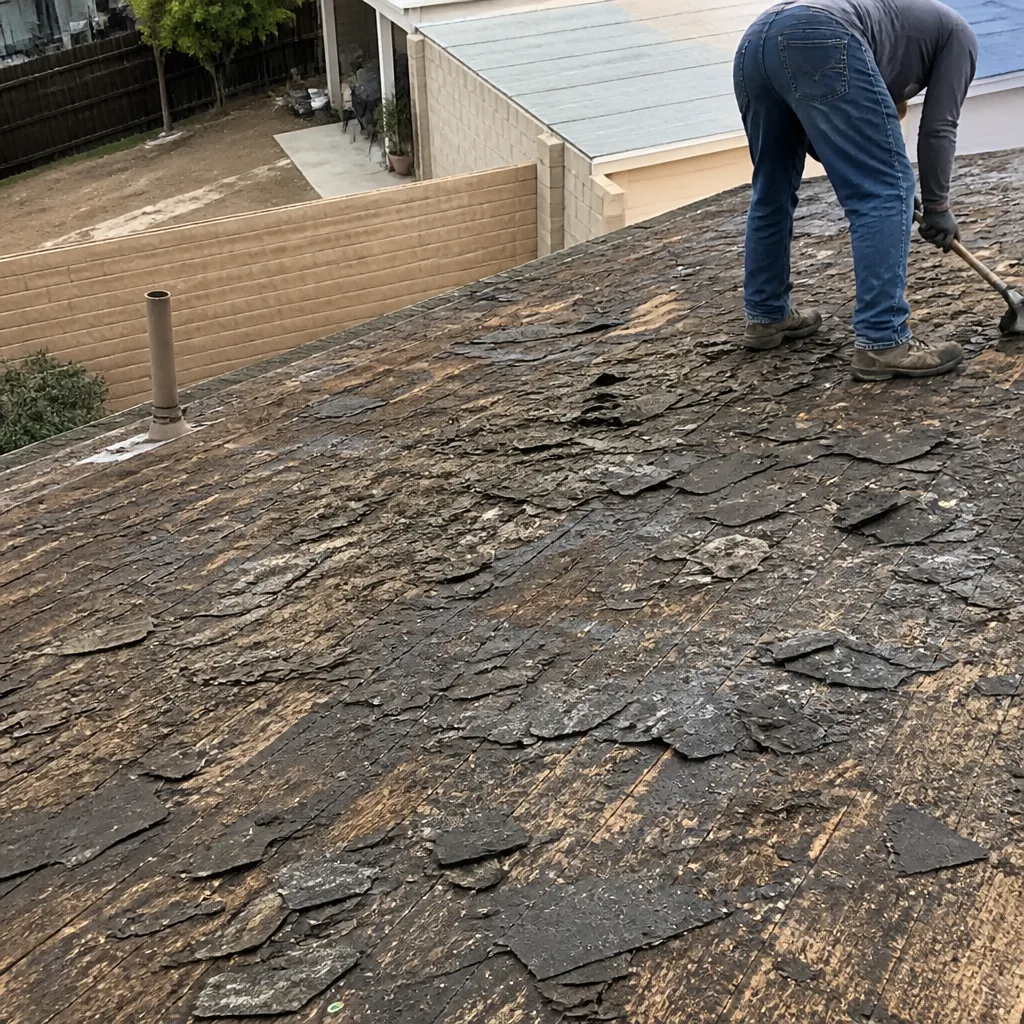
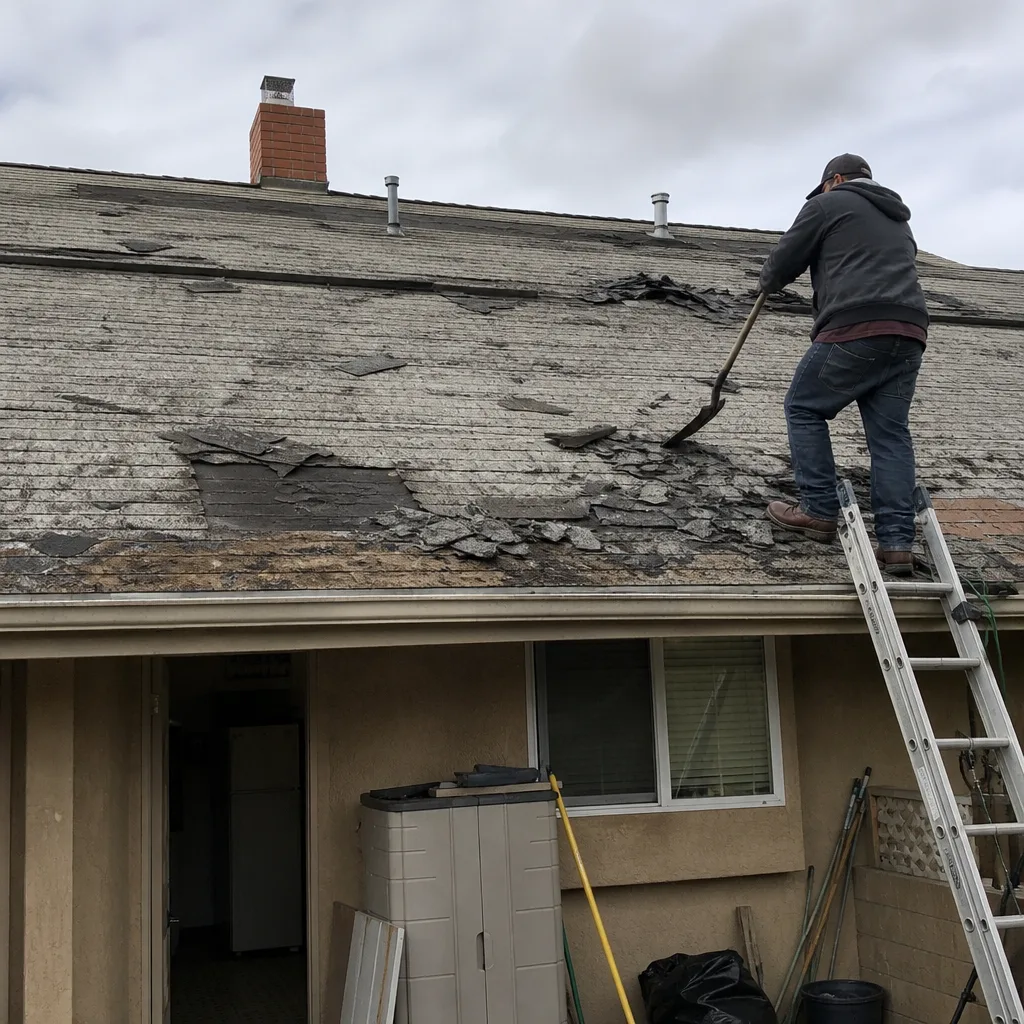 Before
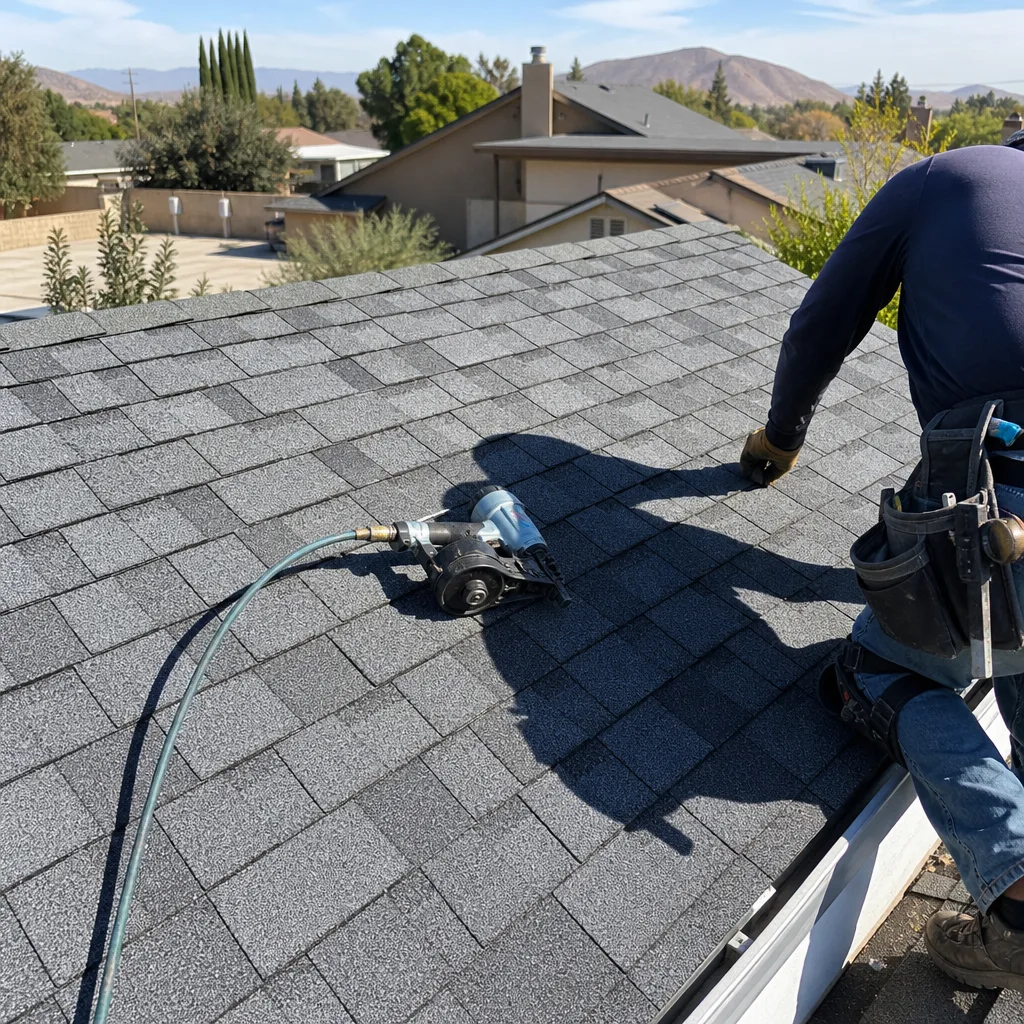 After
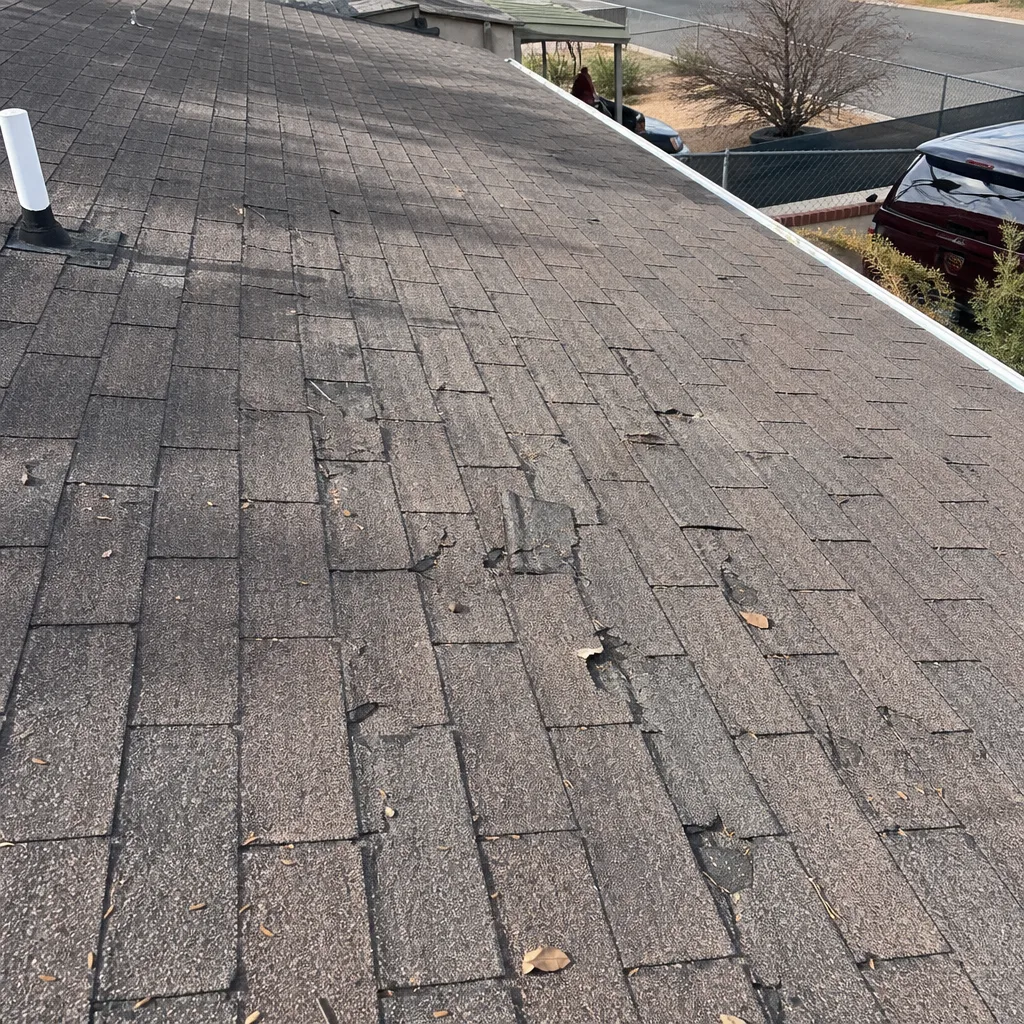
 Before
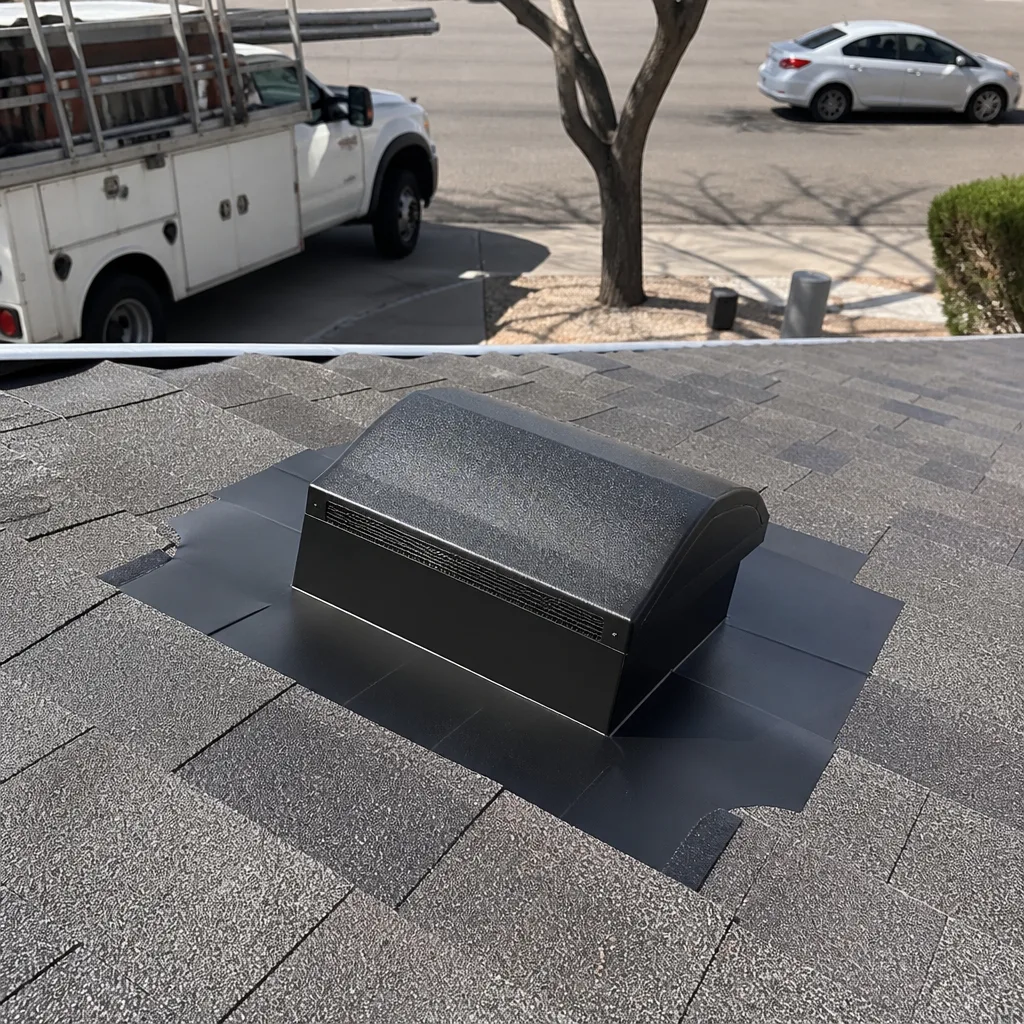 After
 Before
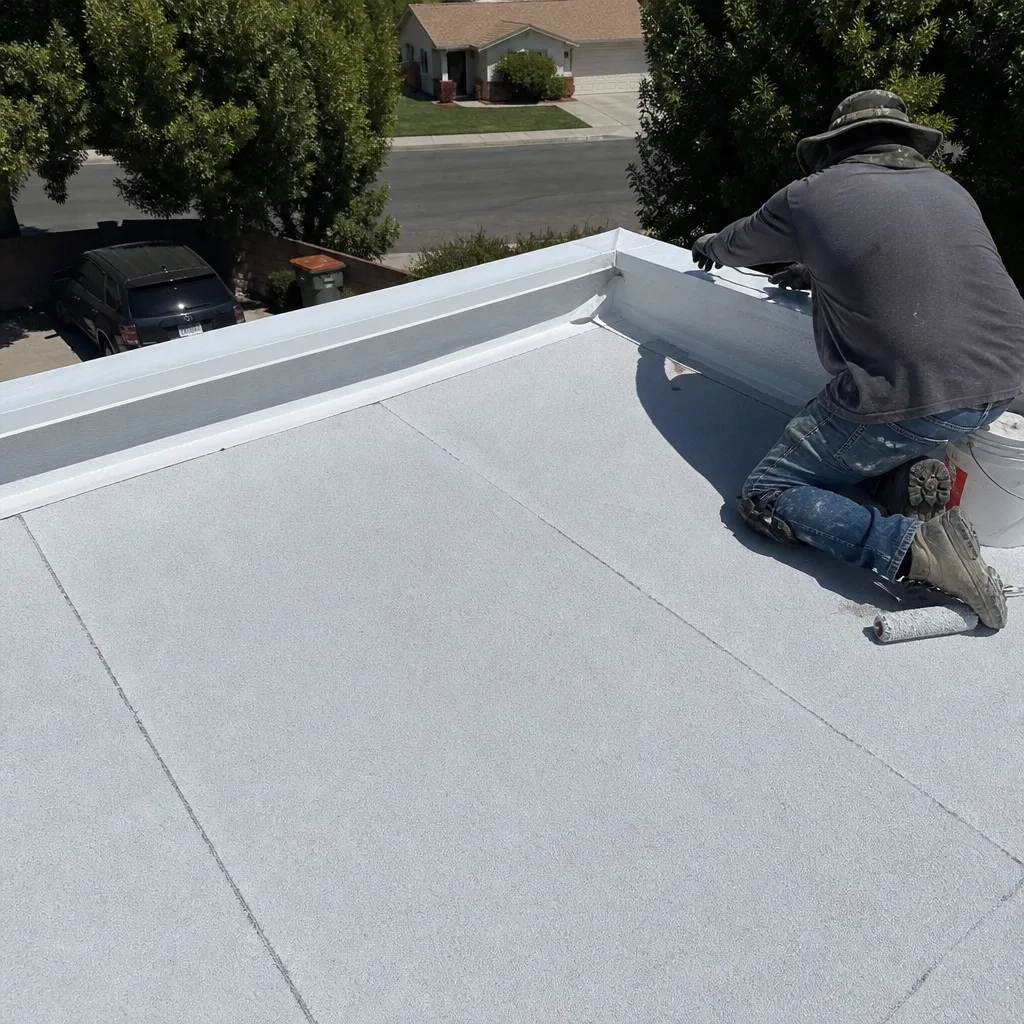 After