
Last updated October 31, 2026
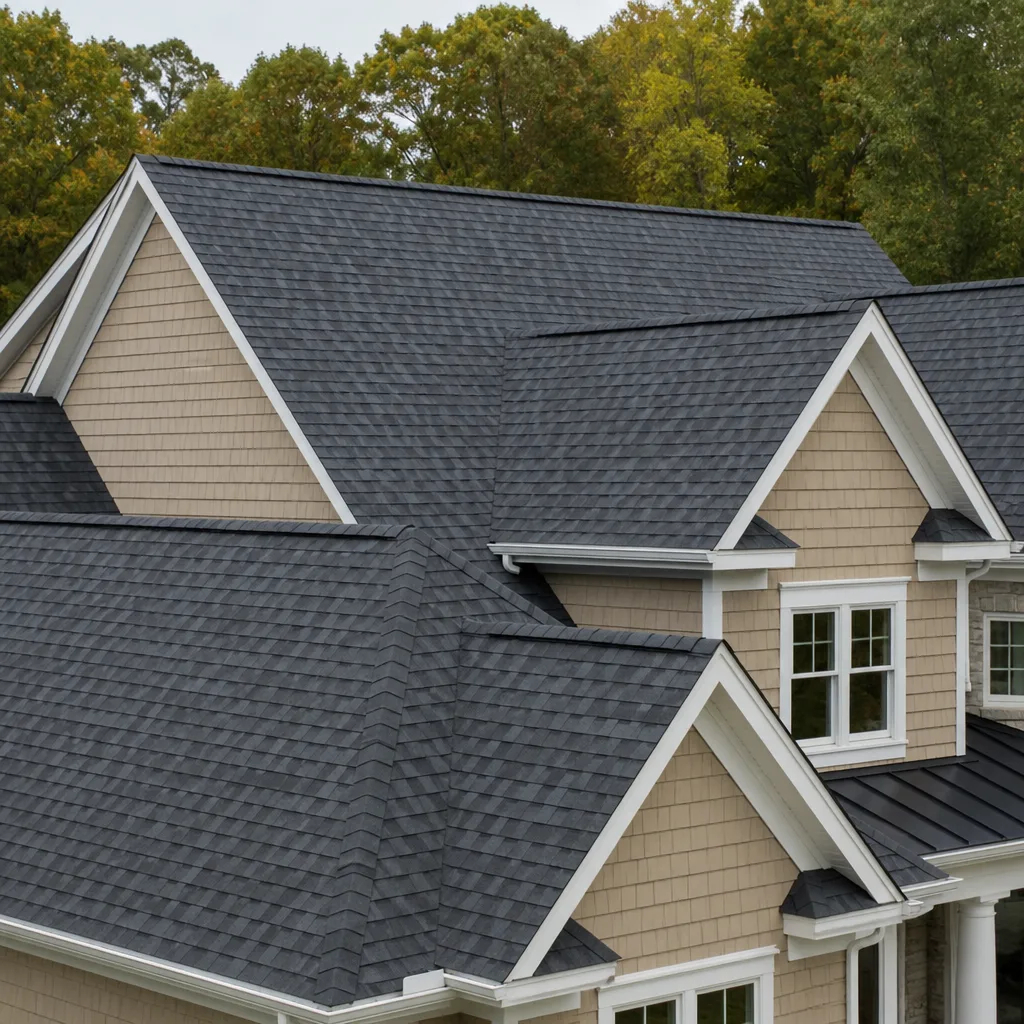 Architectural shingles
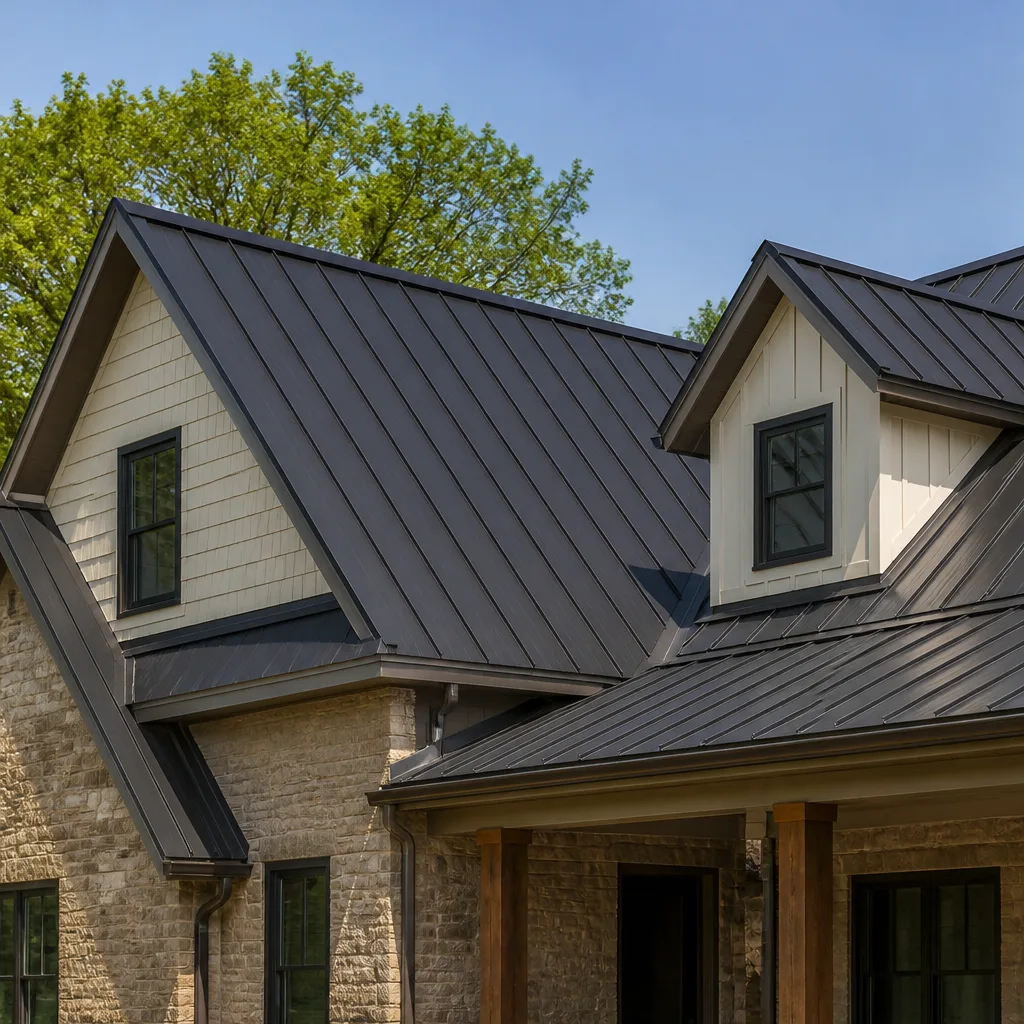 Metal roofing
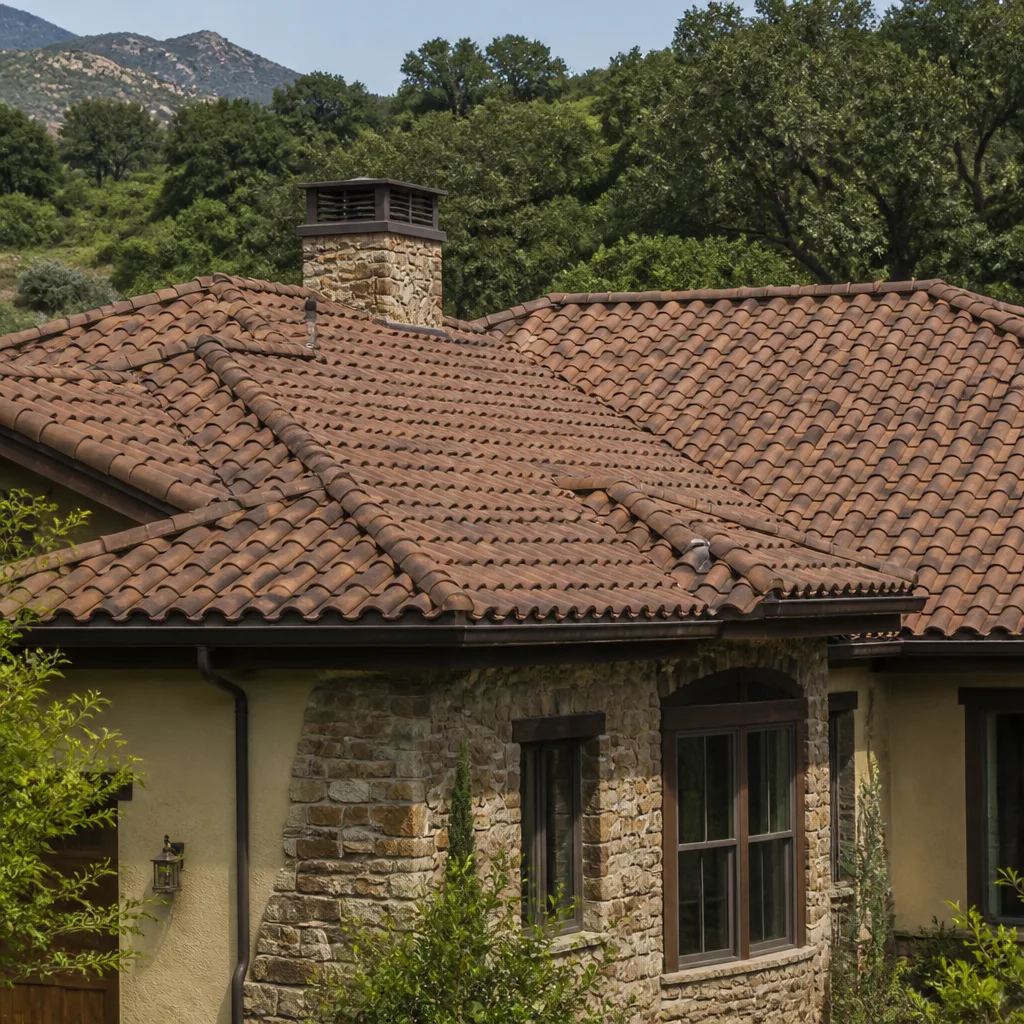 Tile roofing
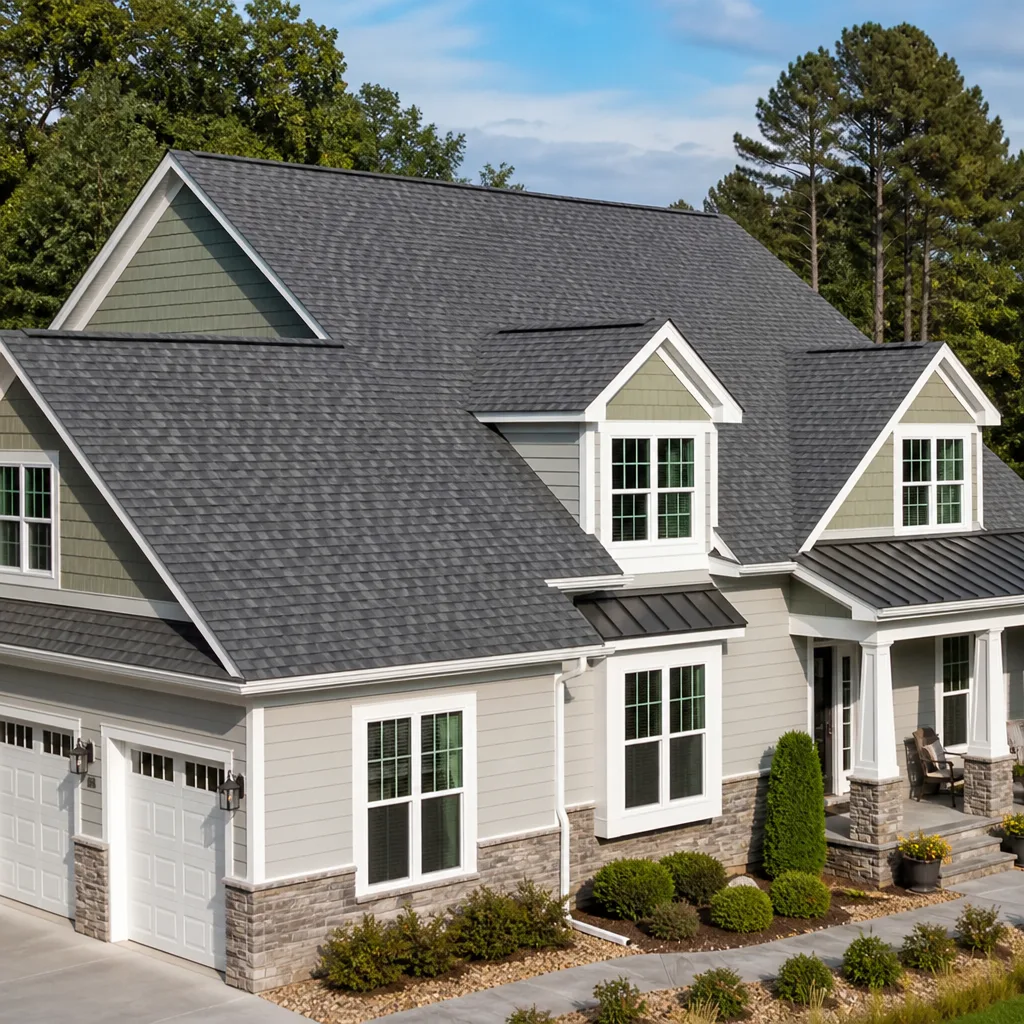 GAF
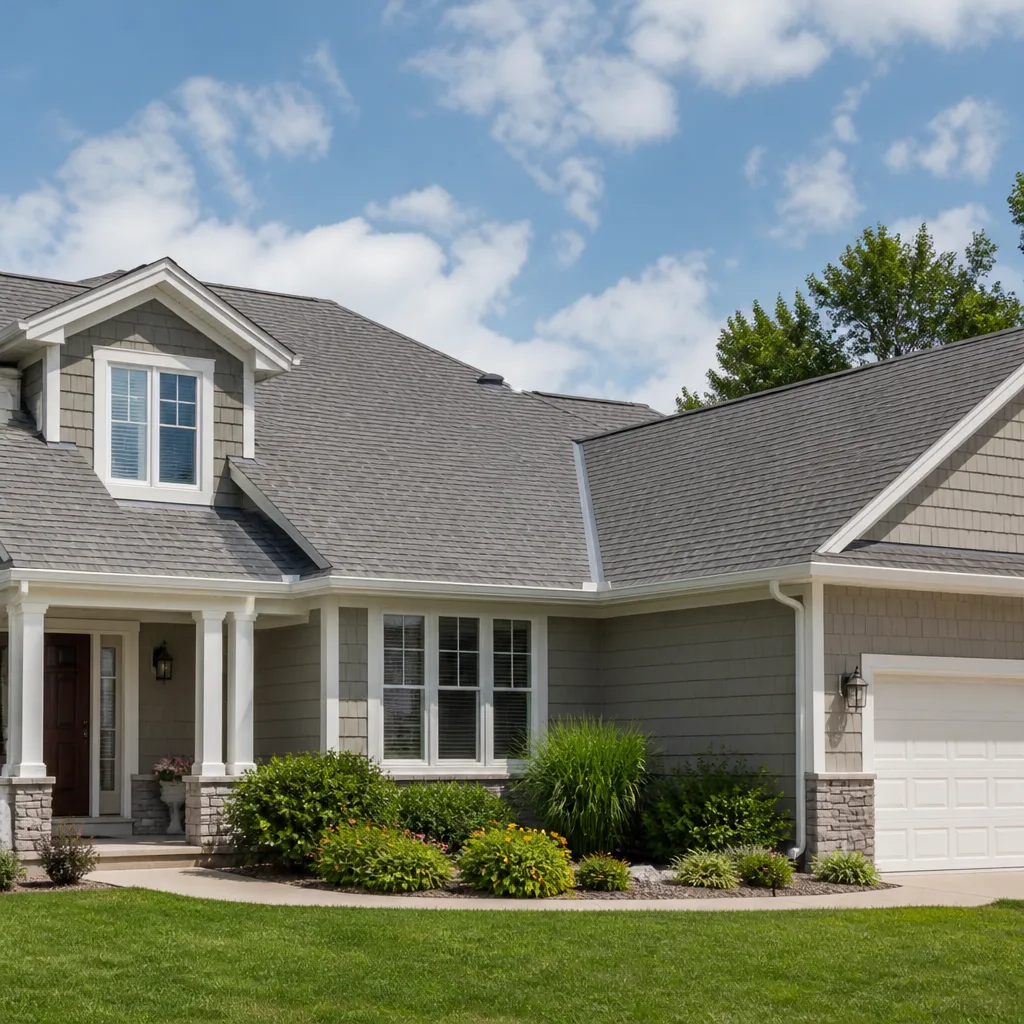 Owens Corning
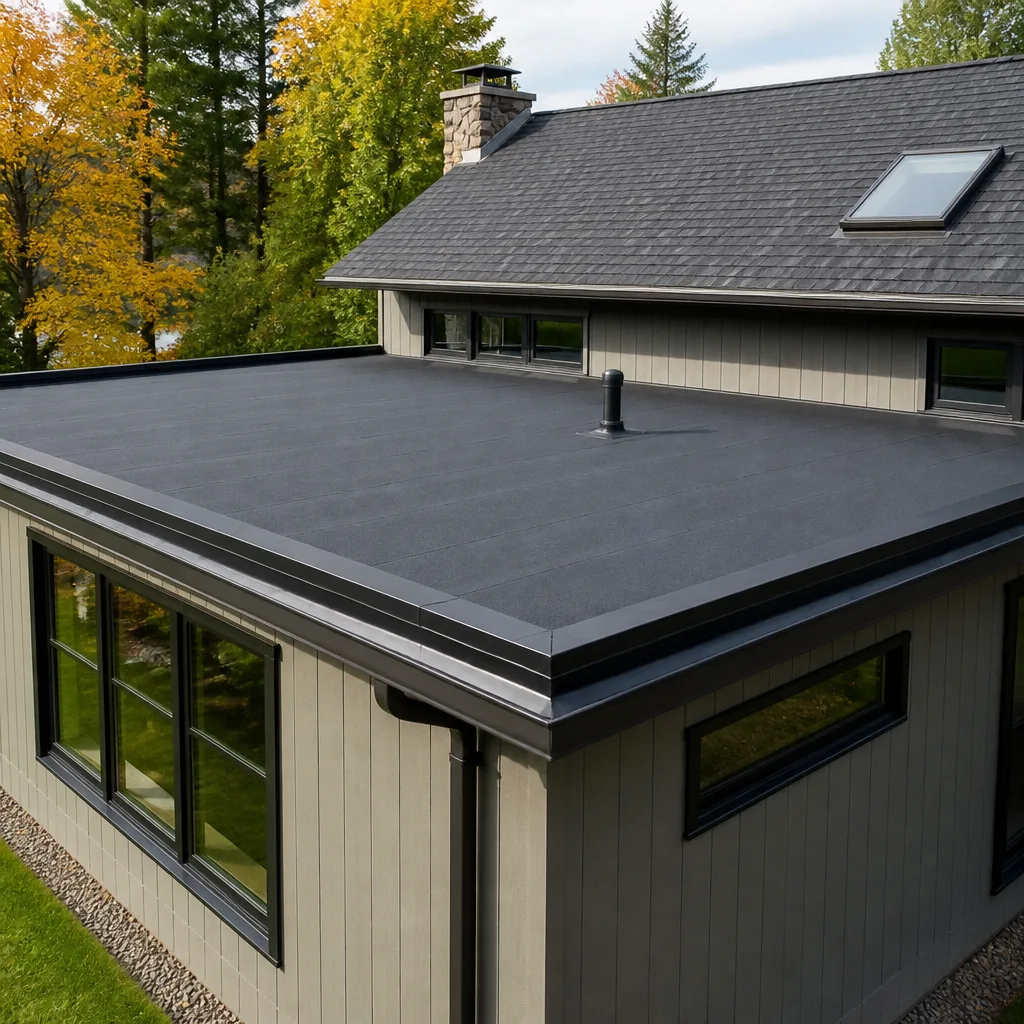 Flat & low-slope
Free roof inspection with deck photos before we talk money - GAF and Owens Corning certified installation
The Complete Roof Repair Guide for Victorville Homeowners
Victorville averages over 280 sunny days a year. That sounds like a selling point until you understand what relentless High Desert sun does to a roof. Combined with daily temperature swings of 30 to 40 degrees, prolonged UV exposure is the leading cause of premature roofing failure in Victorville, yet most repair guides are written for coastal or humid climates where neither factor applies. This guide walks you through how Victorville’s specific climate cycle stresses your roof, how to diagnose problems before they reach your ceiling, and how to prioritize repairs so you spend money where it actually matters.
Styles & brands we work with
Quick Answer
Roof Repair services in Victorville typically address three climate-driven failure points: UV-degraded sealants and flashing, thermal-cycle fastener backing and shingle cracking, and monsoon-season water intrusion at compromised penetrations. Most Victorville homeowners should start with a professional roof inspection to distinguish cosmetic wear from active deterioration, then repair damaged flashing, boots, and sealants immediately since these small failures become interior water damage fast once the monsoon rains arrive.
Table of Contents
- Why Victorville’s Climate Cycle Creates a Different Kind of Roof Damage
- The Victorville Roof Triage Framework: Cosmetic, Worsening, or Urgent
- Why the Monsoon Season Punishes Deferred Repairs
- Material-Specific Repair Considerations for Victorville Roofs
- What a Legitimate Victorville Roof Inspection Should Document
- Repair vs. Replacement: How to Know When It’s Time
- What Roof Repair Costs in Victorville
- Common Mistakes to Avoid
- When to Call a Professional
- Frequently Asked Questions
- The Bottom Line
Why Victorville’s Climate Cycle Creates a Different Kind of Roof Damage
Victorville sits at roughly 2,700 feet in the High Desert, which means the roof on your home endures a thermal cycle that coastal roofs never experience. Summer days regularly climb past 100°F, then nights drop into the 60s. That 40-degree swing happens every single day for months. Your roof expands during the afternoon heat and contracts after sunset. Over years, this repeated movement works fasteners loose and cracks the sealants around flashing, pipe boots, and vents. In Victorville, we regularly see sealant that has turned brittle and separated from the flashing by a full quarter-inch, which is more than enough gap for monsoon rain to enter.
The UV exposure compounds the problem. At this elevation and latitude, the sun attacks asphalt-based materials aggressively. Composition shingles lose their granule layer faster than manufacturers’ national averages suggest, because those averages are calculated across mixed climates. A shingle that might last 25 years in a coastal California city can show significant granule loss after 12 to 15 years in Victorville. The point isn’t that your roof is doomed, it’s that the repair timeline here is different. What looks like a minor crack around a vent pipe can become an active leak within one season because the thermal cycle keeps working the crack wider.
The Sequential Stress Pattern
Understanding the sequence helps you understand what you’re looking at when you inspect your own roof:
- Heat expansion loosens mechanical connections. Nails and screws back out slightly as the decking and framing expand. This is most visible at flashing points and ridge caps.
- UV degradation hardens sealants. The flexible compounds around penetrations lose their elasticity and begin to crack, usually within five to seven years in our climate.
- Nighttime contraction pulls the cracked sealant apart. What starts as a hairline separation becomes a visible gap.
- Wind and rare rain exploit the gaps. Victorville’s spring winds test every loose shingle, and when the monsoon arrives in July and August, the gaps in sealant and flashing are direct pathways for water.
This is why a roof that looked fine in March can be leaking by August. The damage accumulates quietly, then gets exposed by the first real rain event. We’ve walked Victorville roofs in June that showed no visible interior leaks, only to return after the first monsoon storm and find water stains at the exact flashing points we’d flagged months earlier. The roof didn’t fail overnight, it failed over years and the rain revealed it.
The Victorville Roof Triage Framework: Cosmetic, Worsening, or Urgent
Every roof problem falls into one of three categories, and knowing which category you’re dealing with determines how fast you need to act and how much you should budget. This framework is specific to Victorville because our climate accelerates the timeline between categories. A cosmetic issue in a coastal climate might stay cosmetic for five years. Here, sun and thermal cycling can move the same issue into the urgent category within eighteen months.
Category 1: Cosmetic Issues
These are visual imperfections that do not affect the roof’s ability to shed water. They should be noted but not repaired in a panic. Examples include:
- Granule accumulation in gutters or at downspout bases (common on older composition shingles in Victorville due to accelerated UV wear)
- Minor shingle cupping or curling that hasn’t cracked the shingle surface
- Small areas of surface rust on flashing that hasn’t penetrated through the metal
- Fading or color variation across shingle sections, especially on south-facing slopes
Cosmetic issues are worth documenting. Take a photo, note the date, and revisit it during your next inspection. If it changes, it moves into Category 2.
Category 2: Actively Worsening Issues
These are problems that are degrading on their own, driven by Victorville’s thermal cycle. They aren’t causing interior damage yet, but they will. Plan to repair these within the current season, ideally before July’s monsoon pattern arrives. Examples include:
- Cracked or separating sealant around pipe boots, vents, and chimney flashing (the crack widens with every temperature swing)
- Backed-out fasteners on ridge caps or flashing that show rust staining at the head
- Shingles with cracks that have progressed through the shingle, not just surface crazing
- Flashing that has lifted from the roof plane by more than an eighth of an inch
- Moss or lichen growth that is holding moisture against the shingle surface
Category 2 is where most Victorville homeowners get caught. The roof looks mostly fine, there’s no leak, so the repair gets deferred. Then the monsoon hits and the Category 2 problem becomes a Category 3 emergency with water in the living room.
Category 3: Urgent Issues Requiring Same-Week Intervention
These are active failures. Water is entering the home or is about to. Act immediately. Examples include:
- Any active leak, even a small one, dripping or staining the ceiling
- Missing shingles after a wind event, especially if the underlying underlayment is exposed
- Flashing that has completely separated from the roof surface
- Visible daylight through the roof deck from inside the attic
- Ponding water on flat or low-slope sections that hasn’t drained within 48 hours after rain
If you’re in Category 3, the priority is stopping water entry. A temporary tarp is a reasonable stopgap if professionally installed, but it’s not a repair. Water that gets into the decking and framing starts causing rot and mold within days, and in Victorville’s dry air, you might not smell it or see it until the damage is already significant.
Why the Monsoon Season Punishes Deferred Repairs
Victorville receives most of its annual rainfall in a handful of intense events between July and September. The North American Monsoon pushes moisture up from the Gulf of California, and when it arrives, it arrives violently: short-duration thunderstorms with heavy rain and gusty winds. A roof that sheds water fine during a gentle winter drizzle gets tested completely differently when an inch of rain falls in thirty minutes.
The specific danger is that intense rain finds every small gap. A cracked pipe boot that has been leaking a few drops during winter rains becomes a firehose during a monsoon downpour. The wind associated with these storms also drives rain sideways, which means flashing gaps that never saw water in normal conditions suddenly become active leak points. We’ve seen Victorville homes with no history of leaks develop ceiling stains after a single monsoon storm, because the storm exploited a tiny flashing gap that had been there for two years, waiting.
The practical takeaway: if your roof has any Category 2 issues identified in spring, get them repaired before July. The cost of repairing a cracked boot or re-sealing a vent is a fraction of the cost of repairing water-damaged drywall, insulation, and framing. Once water gets into the attic above the insulation, it travels along framing members and shows up in unexpected places, which makes the interior repair more extensive than the roof repair ever would have been.
Material-Specific Repair Considerations for Victorville Roofs
Victorville homes fall into three broad roofing categories, and each has a different failure profile. Knowing which type you have changes how you should approach repairs.
Composition Shingle Roofs
Composition shingle is the most common roofing material in Victorville subdivisions, and it’s also the most susceptible to our UV and thermal cycling. The repair considerations for shingle roofs here are:
- Granule loss is accelerated and asymmetric. South and west-facing slopes lose granules faster than north and east slopes. This means a roof may look fine from the street but have significant wear on the back slope. Any legitimate inspection must evaluate each slope separately.
- Shingle brittleness matters. After enough UV exposure, shingles lose their flexibility. Attempting to lift a brittle shingle to repair the one beneath it can crack three more. A repair technician needs to recognize when a shingle is past the point of safe manipulation.
- Sealant failure at penetrations is the most common leak source. Pipe boots, attic vents, and furnace flues all have flexible sealant collars that harden and crack faster in Victorville than in most of the country. These are repairable items and should be checked annually.
Flat and Low-Slope Roofs
Flat and low-slope roofs are common on older Victorville homes, additions, and patio covers. These roofs typically use rolled materials: built-up roofing (BUR), modified bitumen, or single-ply membranes like TPO. Their failure profile is different from shingle roofs:
- UV attack on the membrane surface. Flat roofs take direct sun all day with no slope to shed heat. The membrane surface can reach 160°F or higher in summer. Over time, this causes surface cracking, alligatoring, and loss of the reflective coating, which accelerates the degradation further.
- Seam and flashing failures at the perimeter. Flat roof materials are most vulnerable where the horizontal membrane meets vertical surfaces: parapet walls, curbs, and penetrations. These transition points expand and contract differently than the field of the roof, and the sealant or membrane detail there cracks first.
- Ponding water is a red flag. If water stands on a flat roof for more than two days after rain, the roof has a drainage or slope deficiency. In Victorville’s dry climate, ponding is rare but it’s a serious indicator when it occurs because the materials aren’t designed for standing water exposure, even for short periods.
Tile Roofs (Concrete and Clay)
Tile roofs are common in some Victorville neighborhoods, especially homes built in the Spanish or Mediterranean style. Tile itself is extremely durable against UV, but the underlayment beneath the tile is not. The repair considerations:
- The tile protects the underlayment, so when tiles break or shift, the underlayment underneath gets exposed to UV and degrades rapidly. A broken tile is not just a cosmetic issue; it’s a countdown to a leak.
- Walking on tile roofs requires skill. Tiles crack under the weight of someone who doesn’t know how to distribute their weight. A legitimate repair technician will have the experience to walk tile without causing more damage than they’re fixing.
- Flashing details at valleys and penetrations are the most common failure points. Tiles last, flashing does not. In Victorville, the thermal cycle has the same effect on tile roof flashing as it does on shingle roof flashing, but it’s hidden beneath the tile and harder to identify without a hands-on inspection.
What a Legitimate Victorville Roof Inspection Should Document
A roof inspection is only as useful as the documentation it produces. Too many homeowners receive a one-page form with a checkbox that says “Roof Condition: Fair” and a quote for replacement. That’s not an inspection, that’s a sales call wearing an inspection costume. A legitimate roof inspection in Victorville should produce a written record that includes specific observations tied to specific locations on your roof. Here’s what to expect from a real roof inspection in Victorville:
- Slope-by-slope condition assessment. The inspector should note the condition of each roof slope separately, because UV exposure varies dramatically by orientation. The south slope will show different wear than the north slope, and you deserve to know that.
- Photographic documentation. Every finding should have a photo. Not stock photos, photos of your actual roof showing your actual flashing, your actual cracked boot, your actual granule loss. If the inspector can’t or won’t show you photos, the inspection isn’t credible.
- Specific measurements, not adjectives. “Some granule loss” is not useful. “Granule loss on the upper third of the south elevation, approximately 40 square feet, with three cracked shingles near the ridge” is useful. A legitimate inspection quantifies wherever possible.
- Flashing and penetration inventory. The inspector should identify every pipe boot, vent, chimney, and valley on the roof and note the condition of each. This is where the thermal cycle does its damage, and it’s where a sales-driven inspection glosses over details because flashing repairs are small-dollar items compared to a full replacement.
- Remaining useful life estimate. Based on the material type, the slope orientation, and the observed condition, the inspector should give you an honest range of how many years the roof has left. This is an estimate, not a guarantee, but it helps you plan.
- A repair-vs-replace recommendation with reasoning. The inspector should explain why they recommend repair or replacement, and the explanation should reference specific findings. “The roof is old” is not a reason. “The flashing at three penetrations has failed, the south slope has lost 40% of its granules, and the decking at the unsealed valley is showing moisture staining” is a reason.
Oakmont Roof Repair offers roof inspection as a standalone service in Victorville. You can get a professional condition report without being pushed toward a replacement. The point of the inspection is to know what your roof actually needs before spending a dollar on repairs you might not need or waiting too long on repairs you do.
Repair vs. Replacement: How to Know When It’s Time
The honest answer is that most Victorville roofs have repair opportunities before they need replacement. The dishonest answer is that some contractors will tell you replacement is the only option because it’s a bigger sale. Here’s how to think about the decision:
Repair When It Makes Sense
- Isolated flashing and penetration failures. These are repairable regardless of roof age. A cracked pipe boot on a 15-year-old roof is a $200 repair, not a $20,000 replacement.
- Localized shingle damage. A few cracked or missing shingles from wind or impact can be replaced individually. This is true even on older roofs, as long as the surrounding shingles are still flexible enough to work with.
- Roofs under 15 years old with no widespread degradation. Most manufacturer warranties run 25 to 30 years. If your roof is under 15 years and the structural decking is sound, repair is almost always the right call.
Replace When It’s Time
- Widespread granule loss across multiple slopes. When the granule layer is gone, the shingle has lost its UV protection and is degrading from the inside. Patching becomes a game of whack-a-mole.
- Decking damage visible from the attic. If the plywood or OSB is water-stained, delaminated, or soft, the roof structure itself needs attention, which usually pushes the math toward replacement.
- Repair costs approaching replacement value. If a legitimate inspection finds comprehensive flashing failure plus widespread shingle cracking plus age-related brittleness, the cumulative repair cost may be 40% or more of the replacement cost. At that point, replacement is the smarter long-term investment.
Because Oakmont carries seven major roofing brand lines including GAF, CertainTeed, Owens Corning, and IKO, the recommendation you get is based on what your roof needs, not on what product happens to be in a warehouse. If repair is the right call, we’ll tell you that. If replacement makes more sense, you’ll have genuine material options across value and premium tiers to match your budget. Seven major brands, one trusted installer. That’s the practical advantage when it comes time to make a roof replacement decision in Victorville.
What Roof Repair Costs in Victorville
Roof repair costs in Victorville vary based on the repair type, roof material, and accessibility. The numbers below reflect what we’ve seen in the Victorville market for typical residential repairs. They are ranges, not quotes, because every roof is different and the condition of the surrounding materials affects the actual work required.
| Repair Type | Typical Victorville Range | Notes |
|---|---|---|
| Pipe boot or vent sealant replacement | $150 – $350 | Most common repair. Includes removing old sealant and boot, installing new, sealing the flashing. |
| Flashing repair (valley, chimney, or wall) | $300 – $900 | Depends on length, accessibility, and whether old flashing can be reused or must be replaced. |
| Individual shingle replacement (per shingle) | $20 – $50 per shingle | Most contractors have a minimum visit fee, so a single shingle may cost $250+ due to the trip charge. |
| Ridge cap repair or reset | $250 – $600 | Thermal cycling loosens ridge cap fasteners; resecuring and sealing is a standard repair here. |
| Flat roof patch (small, localized) | $350 – $800 | Membrane patch with surface preparation. Larger areas scale from here. |
| Tile roof underlayment repair (small section) | $500 – $1,200 | Includes tile removal, underlayment repair, tile resetting. Labor-intensive access. |
| Leak investigation (if inspection not already done) | $200 – $450 | Many roofers credit this fee toward the repair if you proceed, but confirm before hiring. |
Final pricing depends on what the inspection finds. A leak that appears to be a simple pipe boot may turn out to be failed flashing at a chase wall, which changes the scope. That’s why a written, line-item estimate matters. Ask for it before any work begins. If a contractor won’t put numbers on paper, walk away. For specific roof repair pricing in Victorville, the only way to get an accurate number is to have the specific roof inspected by someone who knows what to look for. Estimates are free, and you should never feel pressure to commit on the spot.
Common Mistakes to Avoid
- Ignoring cracked sealant because it’s not leaking yet. In Victorville’s thermal cycle, cracked sealant is a leak waiting to happen. The crack widens every day. By the time water reaches your ceiling, the repair has expanded from a sealant replacement to drywall and insulation work.
- Using household caulk or the wrong sealant on roof penetrations. Roof sealants are formulated for UV exposure and extreme temperature swings. Hardware-store silicone caulk breaks down within a year on a Victorville roof in August. This is a false economy.
- Replacing shingles on a slope without checking the opposite slope. Many homeowners see wind damage on the west slope, replace those shingles, and never look at the south slope, which may have severe UV degradation that wasn’t visible from the ground. A full condition report covers all slopes, not just the one with the obvious problem.
- Deferring monsoon-season preparations until it’s already raining. By the time the NWS issues a flash flood watch for the High Desert, the roofers are booked out for weeks. Get Category 2 repairs done in May or June, before the storm pattern arrives.
- Hiring a general contractor for roof work instead of a roofing specialist. Roof repair is a specific trade with specific material knowledge. A generalist who does a little roofing on the side doesn’t have the daily repetition to recognize early-stage thermal-cycle damage, especially on Victorville’s mix of flat and sloped roofs.
- Accepting a replacement recommendation without a documented reason. A legitimate recommendation comes with photos and specific findings. “Your roof is old” is not a diagnosis. Ask to see the evidence. If the contractor won’t show it, get a second opinion.
- Walking on your own tile or brittle shingle roof to inspect it. This is a safety issue. Tile cracks under foot traffic from people who don’t know how to distribute weight. Brittle composition shingles crack too. If you’re doing your own visual check, do it from the ground with binoculars or from a ladder at the eave. Don’t walk the roof surface unless you know what you’re doing.
When to Call a Professional
Roof work in Victorville sits at the intersection of safety and long-term financial consequence. You should call a professional instead of attempting a repair yourself when: you see active water intrusion or ceiling staining of any size; the repair involves accessing the roof surface itself, not just the eave; the roof is tile, steep-pitched, or visibly brittle; or you’re not certain whether the problem is isolated or part of a larger pattern. Roof falls are among the most common causes of serious injury in home repair, and the cost of a professional repair is dramatically lower than an emergency room visit or the cost of fixing a poorly-executed DIY patch that failed during the next monsoon. Oakmont Roof Repair offers free estimates in Victorville, call (866) 942-0875 and we’ll come out to look at what you’re dealing with.
Frequently Asked Questions
Minor roof repairs in Victorville, like a pipe boot replacement or sealant refresh at a single penetration, typically run $150 to $350. Flashing repairs range from $300 to $900 depending on location and extent. The most reliable way to get an accurate number is to have a roofing specialist perform an inspection and give you a written, line-item estimate, call (866) 942-0875 to schedule one for free.
Failed sealant at pipe boots, vents, and flashing penetrations is the most common roof problem we see in Victorville, driven by the combination of intense UV exposure and daily temperature swings that harden and crack flexible roof sealants faster than in most climates. These failures are inexpensive to fix when caught early and expensive when they leak.
Yes, roof work in Victorville happens year-round, including summer. The challenge with mid-summer is that the demand spikes because monsoon season makes everyone aware of their roof problems at once. If you have suspected damage, schedule the inspection in spring or early summer before the July through September storm pattern arrives and the repair calendar fills up.
The answer depends on the pattern of the damage. Isolated problems like a cracked pipe boot, failed flashing at one penetration, or a few shingles missing from one wind event are repairable. Widespread granule loss across multiple slopes, water-stained decking visible from the attic, or cumulative repair costs approaching 40% or more of the replacement cost suggest replacement. A documented inspection with photos is the only way to know for sure. Oakmont Roof Repair will give you an honest assessment without pushing a replacement if repair is the right call.
Roof repair is covered by insurance when the damage is sudden and accidental, like wind damage from a monsoon storm or impact from a fallen tree limb. Wear and tear, including UV degradation and thermal-cycle cracking, is a maintenance issue and is generally not covered. If you’re filing a claim, document the damage with photos immediately and get a professional inspection to support your claim.
Given Victorville’s climate, an annual inspection is the safest interval. The thermal cycle and UV exposure work their damage over a single season, and catching sealant cracks or fastener backing within the first year of failure keeps the repair small. If you have a south-facing composition shingle roof older than 10 years, biannual inspections are worth considering. Oakmont Roof Repair offers roof inspection as a standalone service, so you can get a condition report without being committed to any repair work.
The Bottom Line
Victorville’s High Desert climate creates a specific pattern of roof stress that generic roofing advice doesn’t address. The thermal cycle loosens fasteners. The UV hardens sealants. The monsoon exposes every deferred repair in one violent afternoon. The smart approach is specific to this place: inspect your roof annually, fix Category 2 problems before they become Category 3 emergencies, and treat flashing and penetration sealant as the high-priority maintenance items they are. Know what your roof actually needs before spending a dollar. Repair when it makes sense, replace when it’s time, and get a documented inspection from a Victorville roofing specialist before making any decision. For a free estimate from a team that carries seven major roofing brands and covers the full lifecycle of your roof, call Oakmont Roof Repair at (866) 942-0875 or visit the Oakmont Roof Repair home page to learn more about our services.
Written by the team at Oakmont Roof Repair, serving Victorville since 2013. Explore more guides & resources.
See the difference
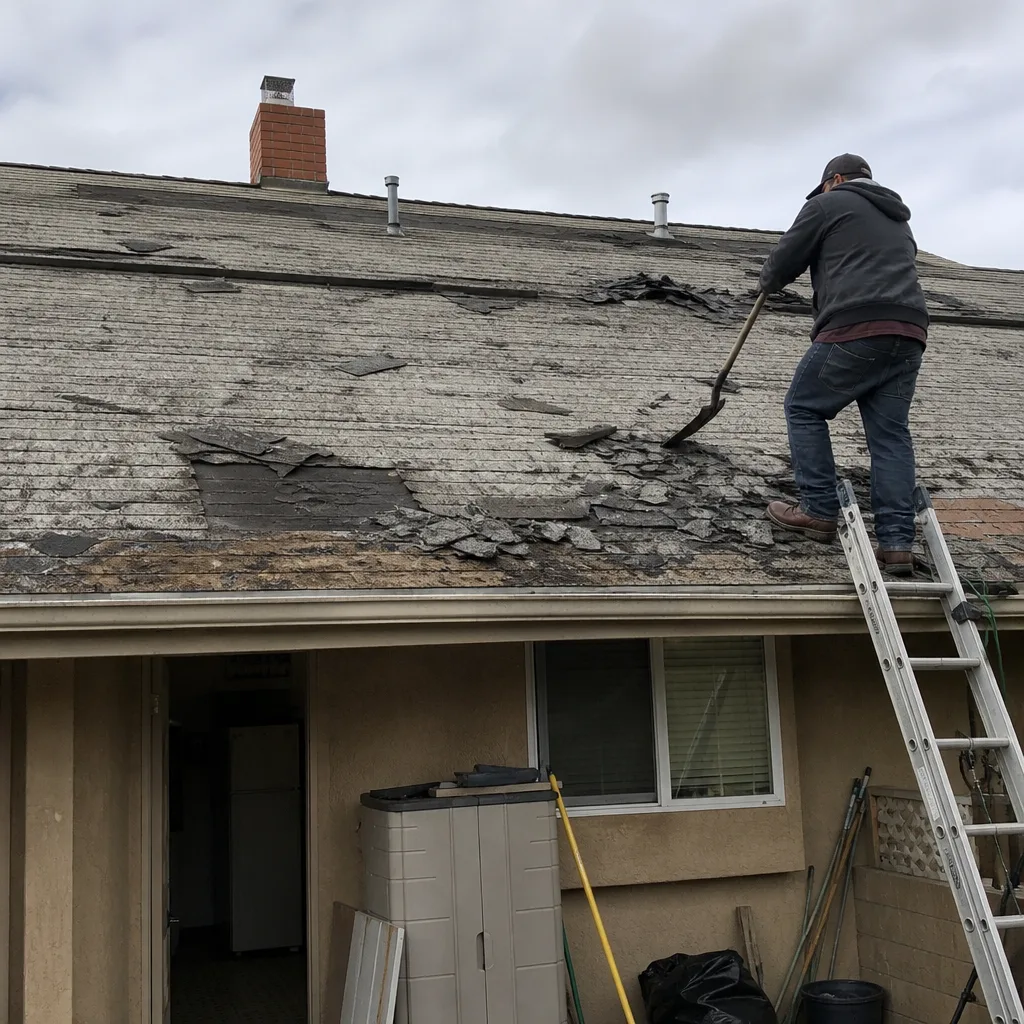 Before
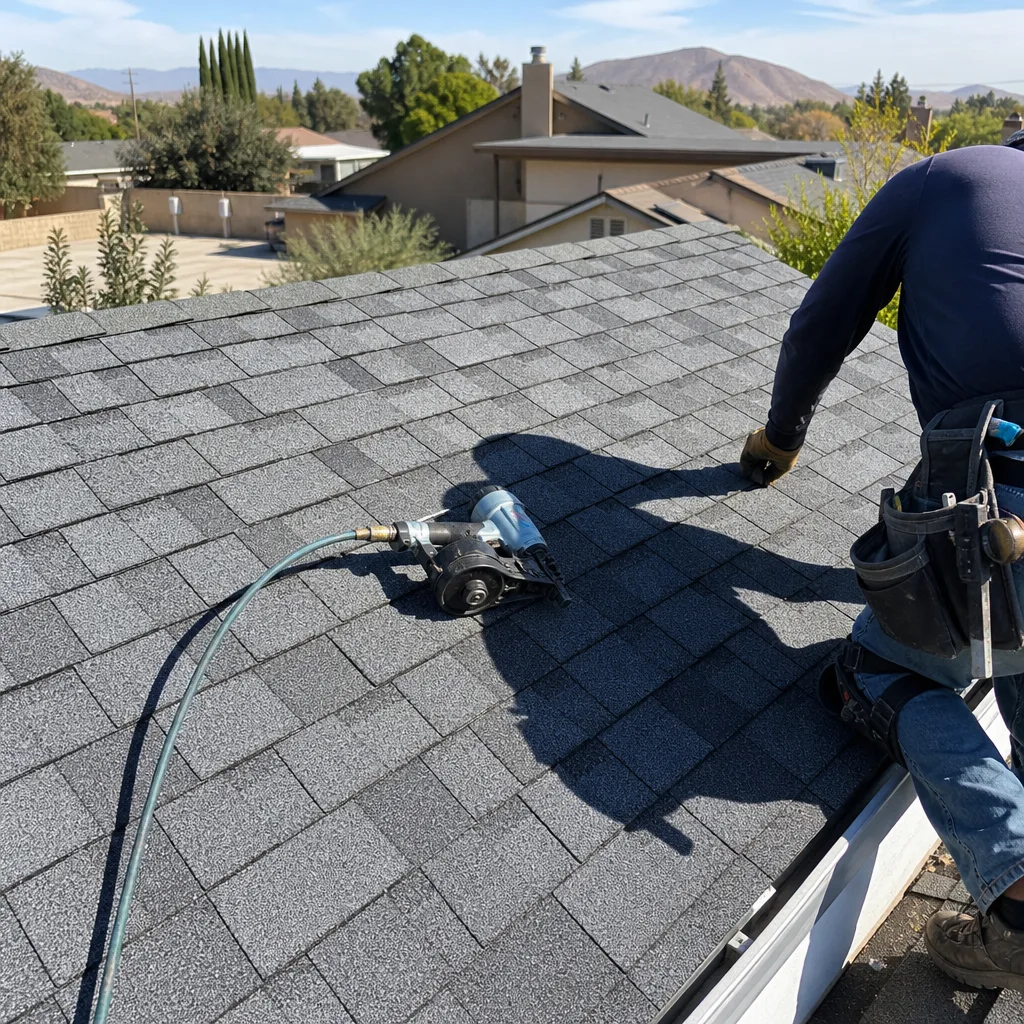 After
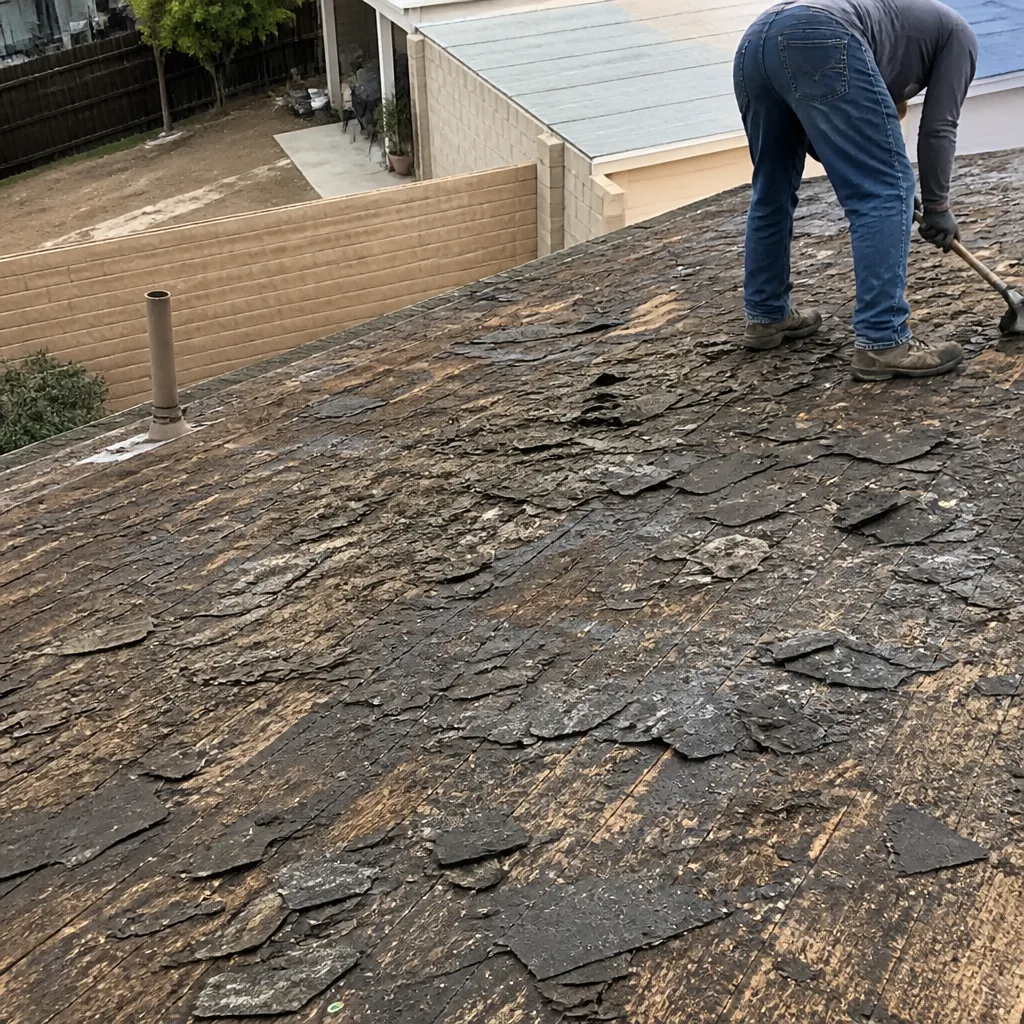 Before
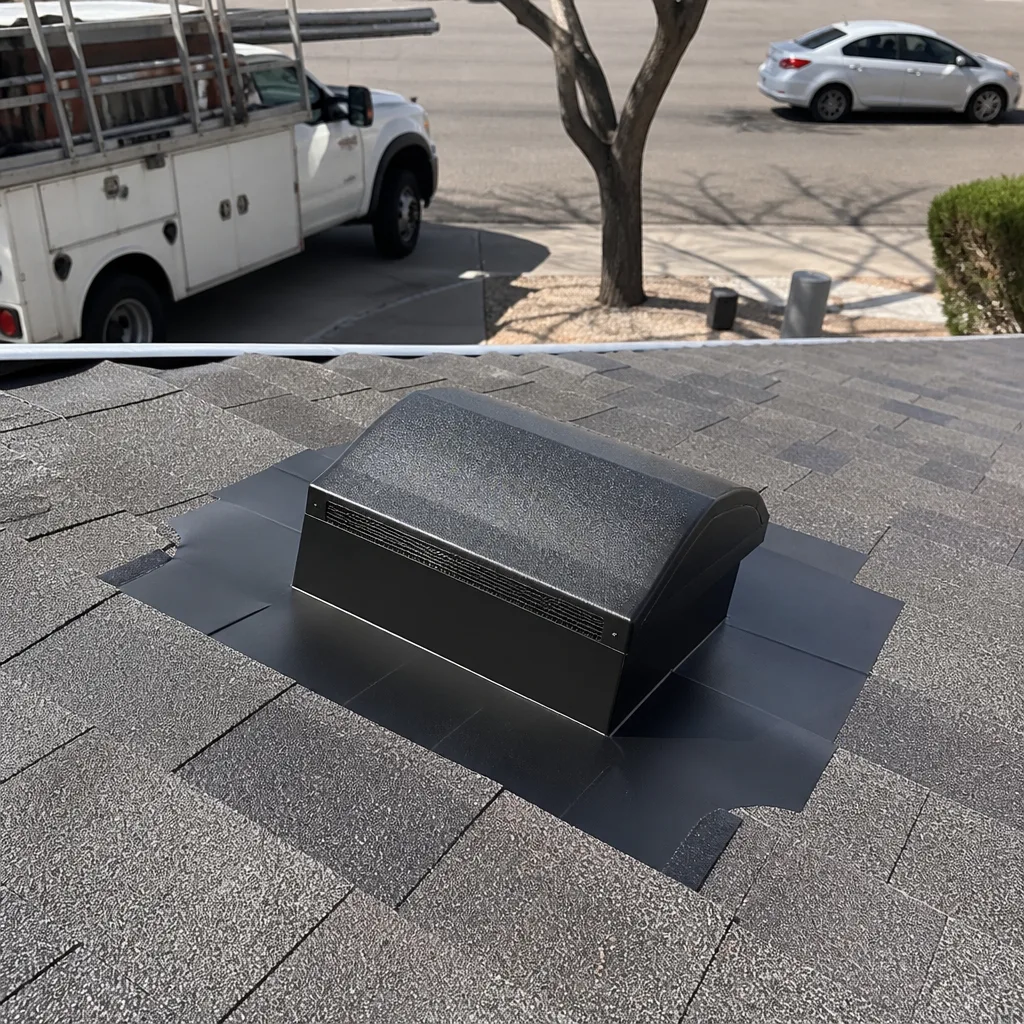 After
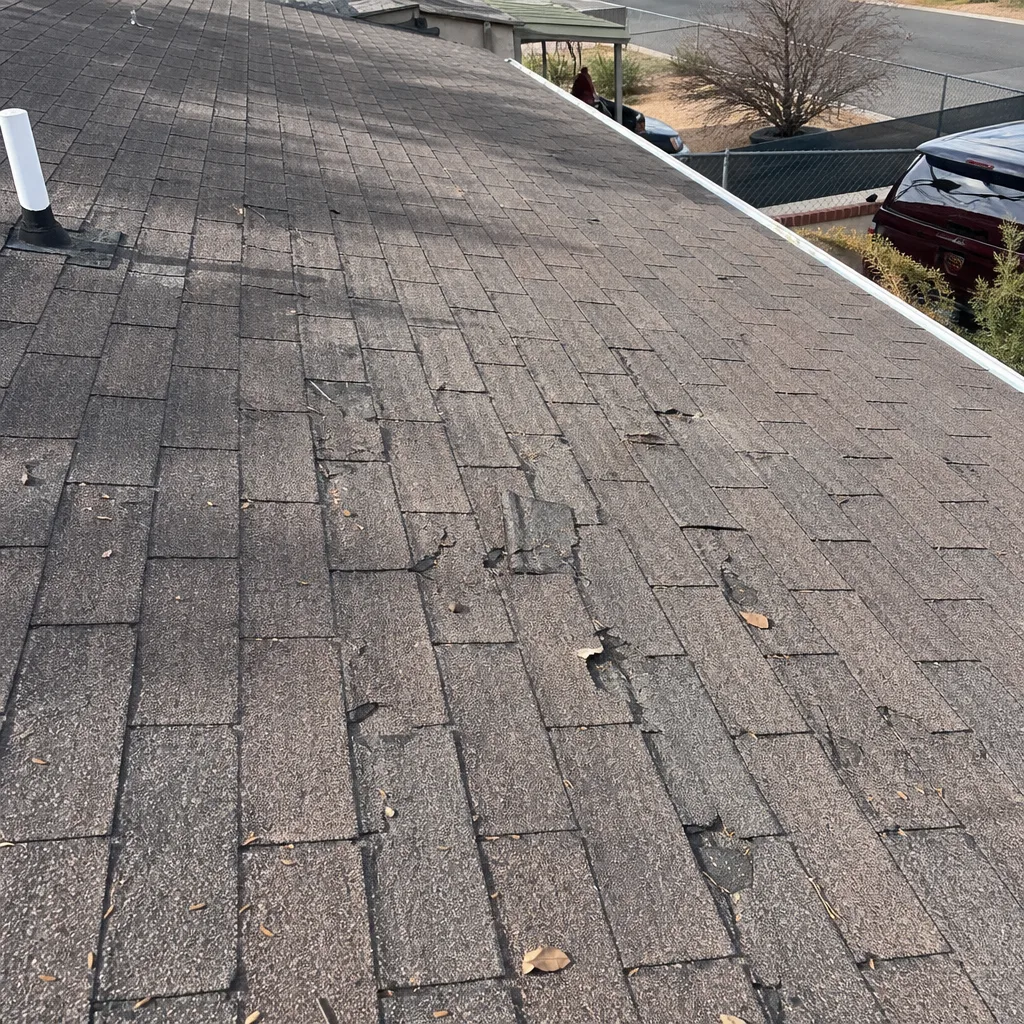 Before
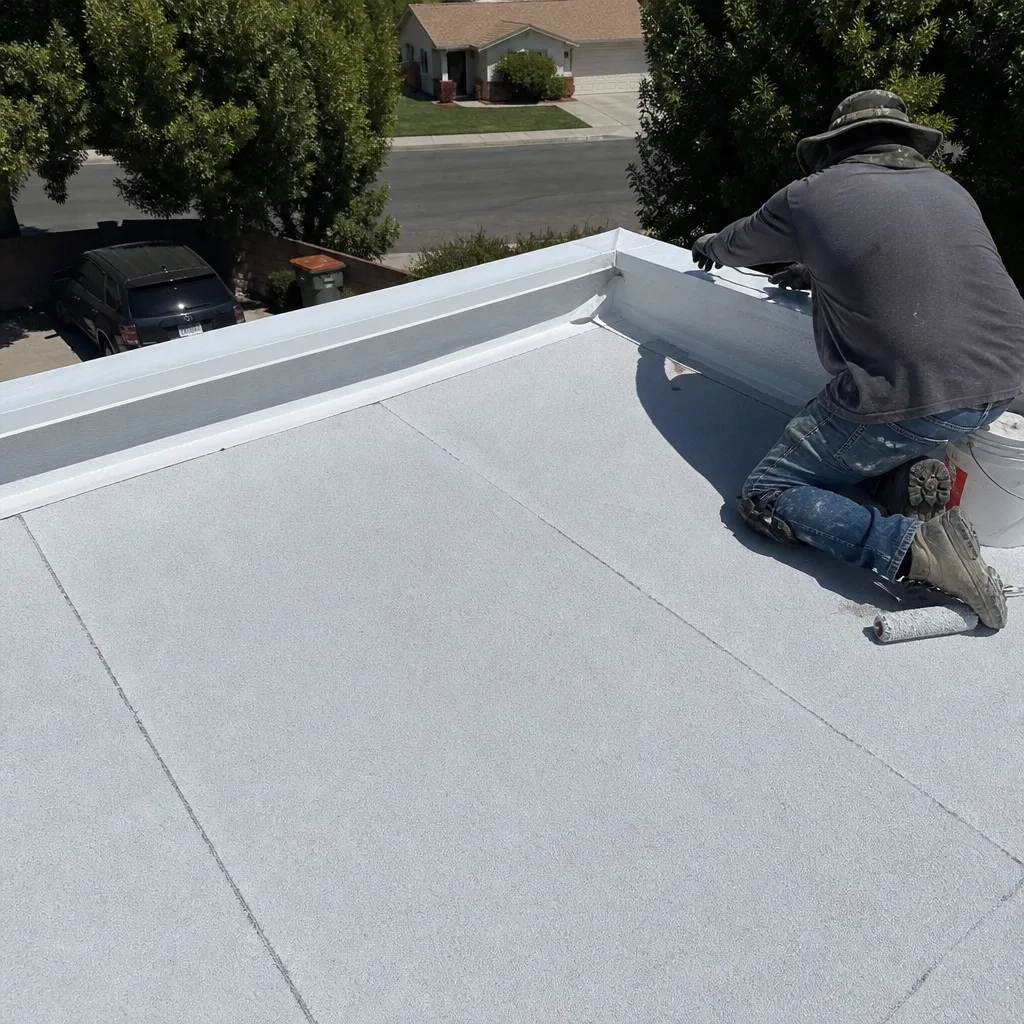 After