Last updated October 31, 2026
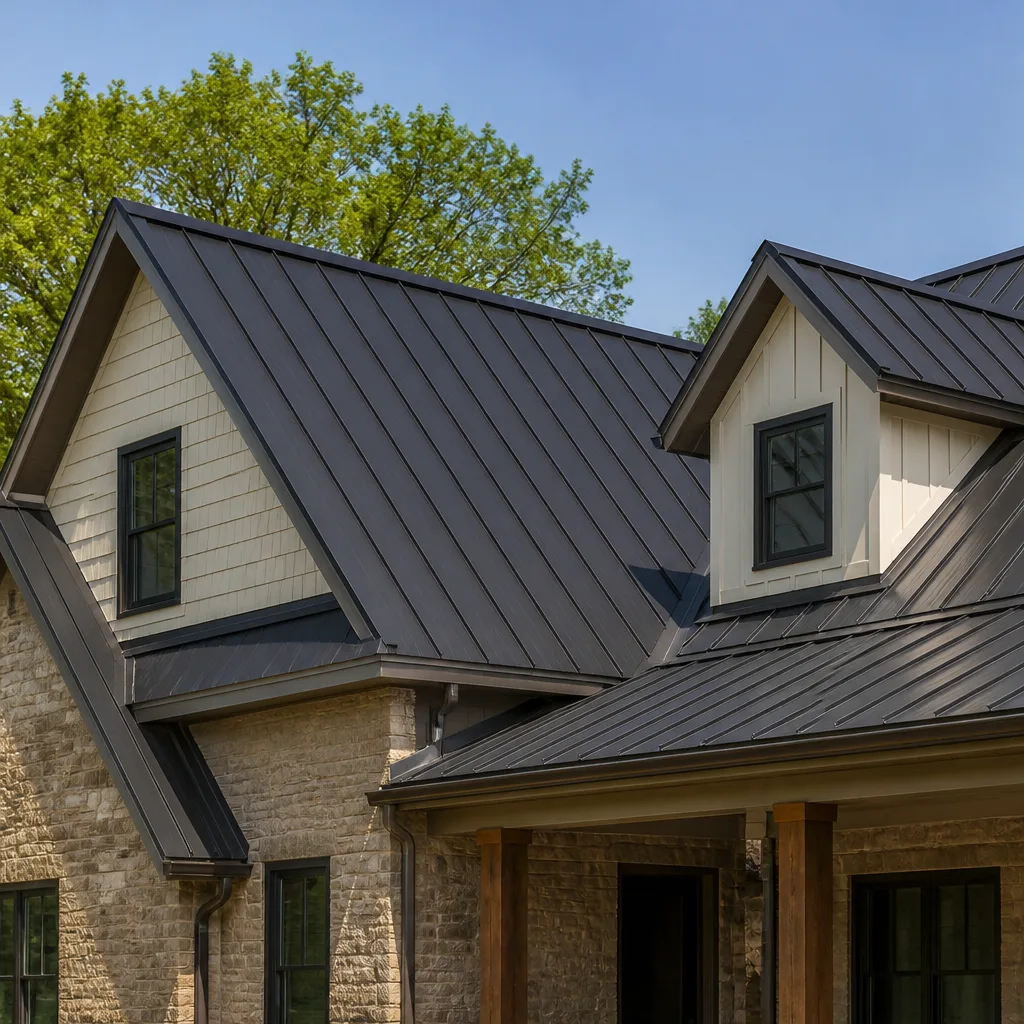 Metal roofing
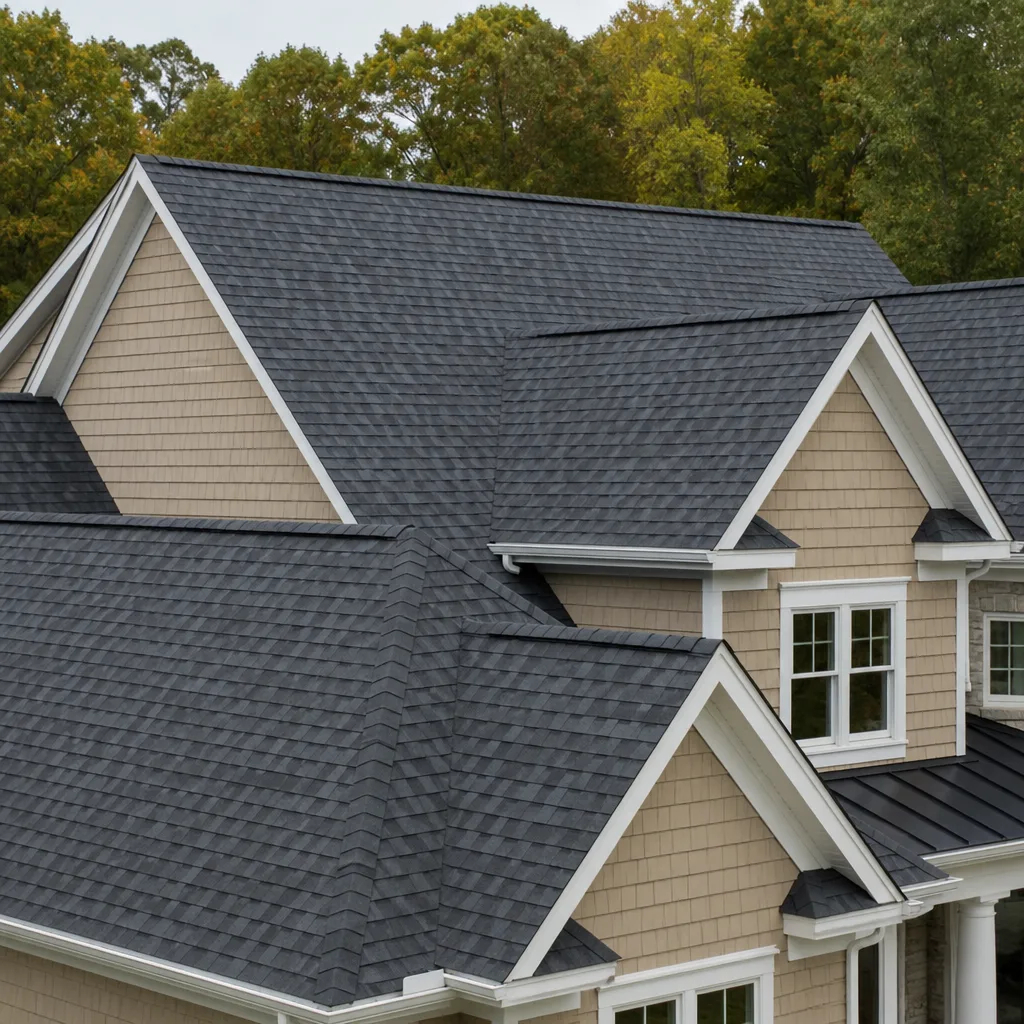 Architectural shingles
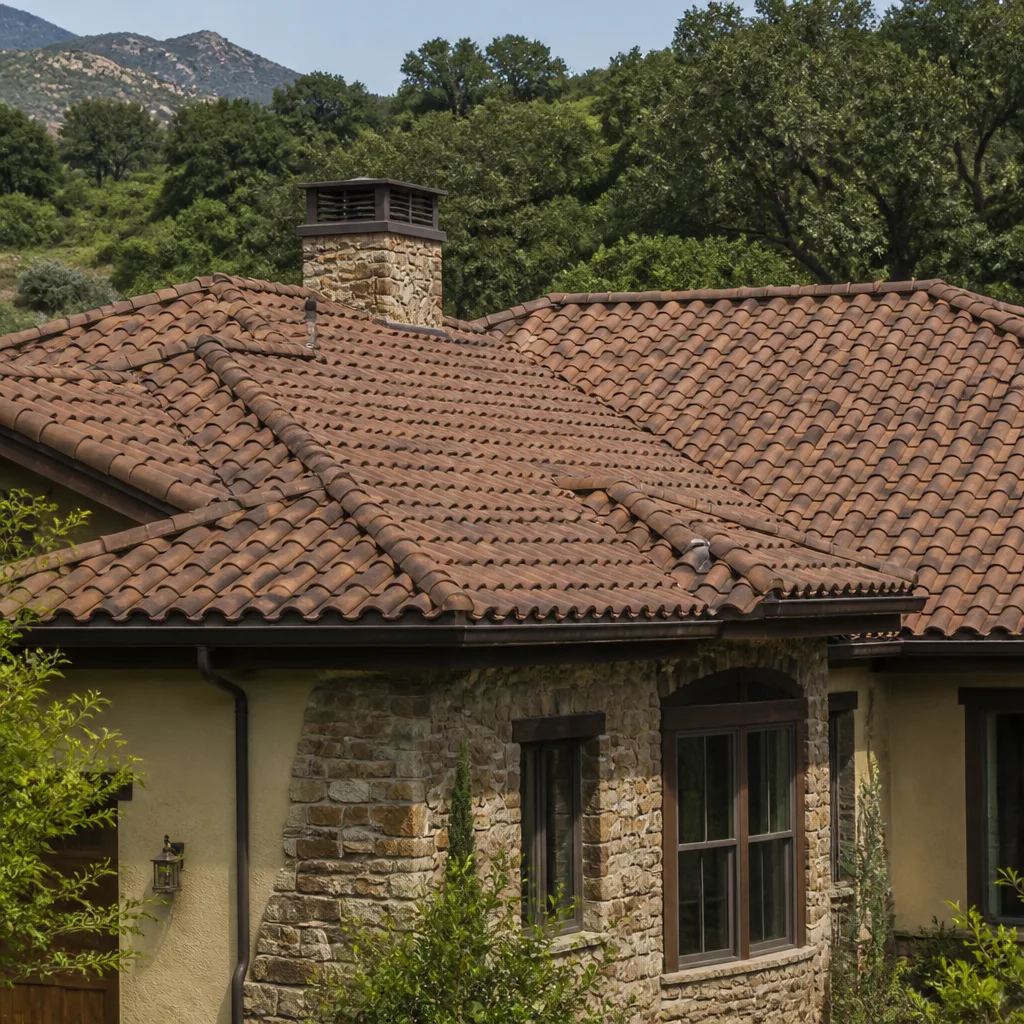 Tile roofing
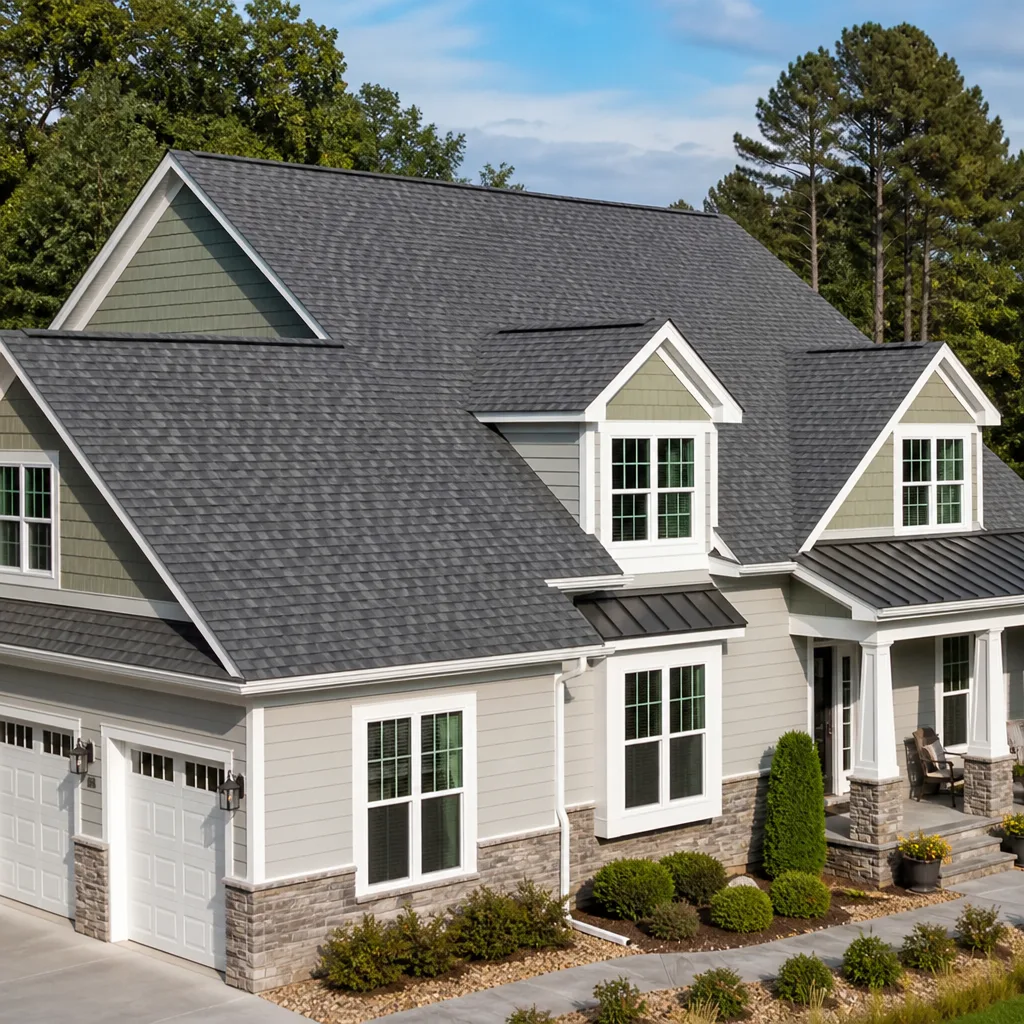 GAF
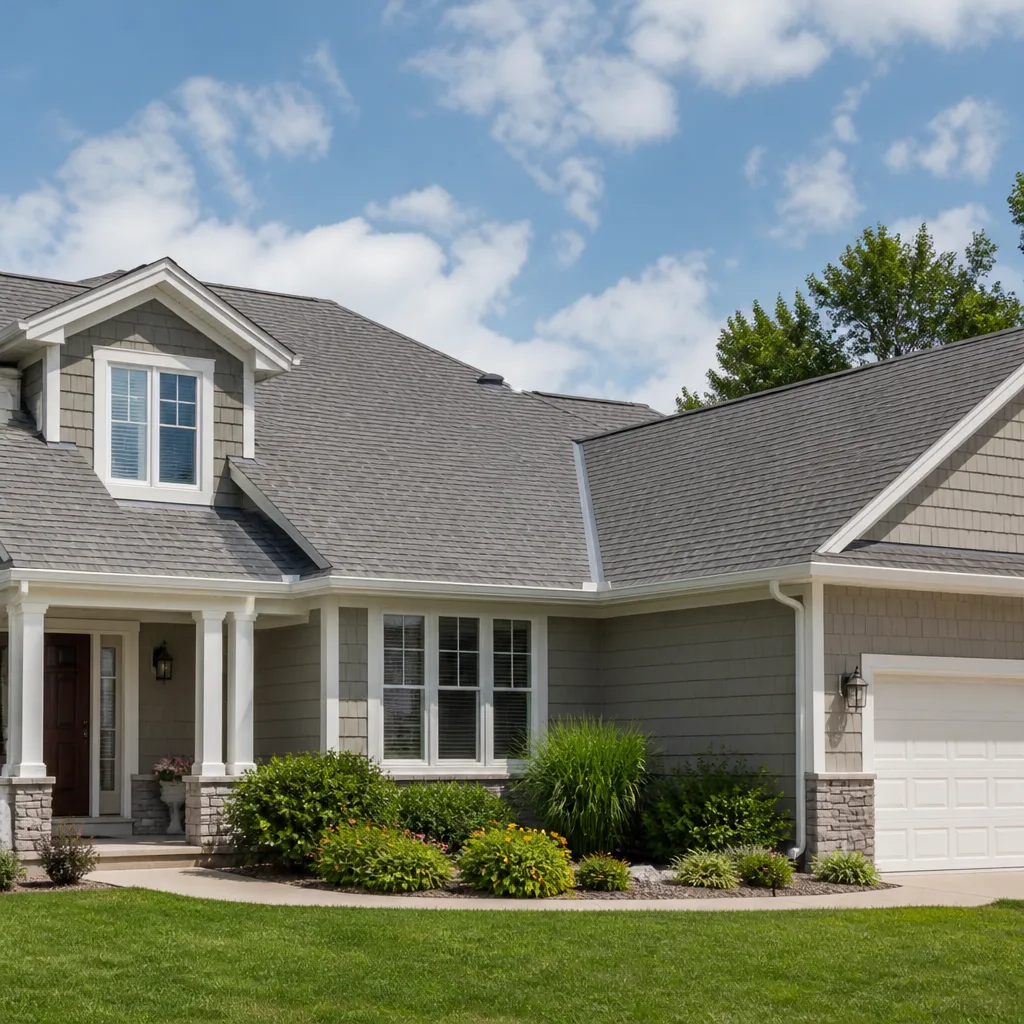 Owens Corning
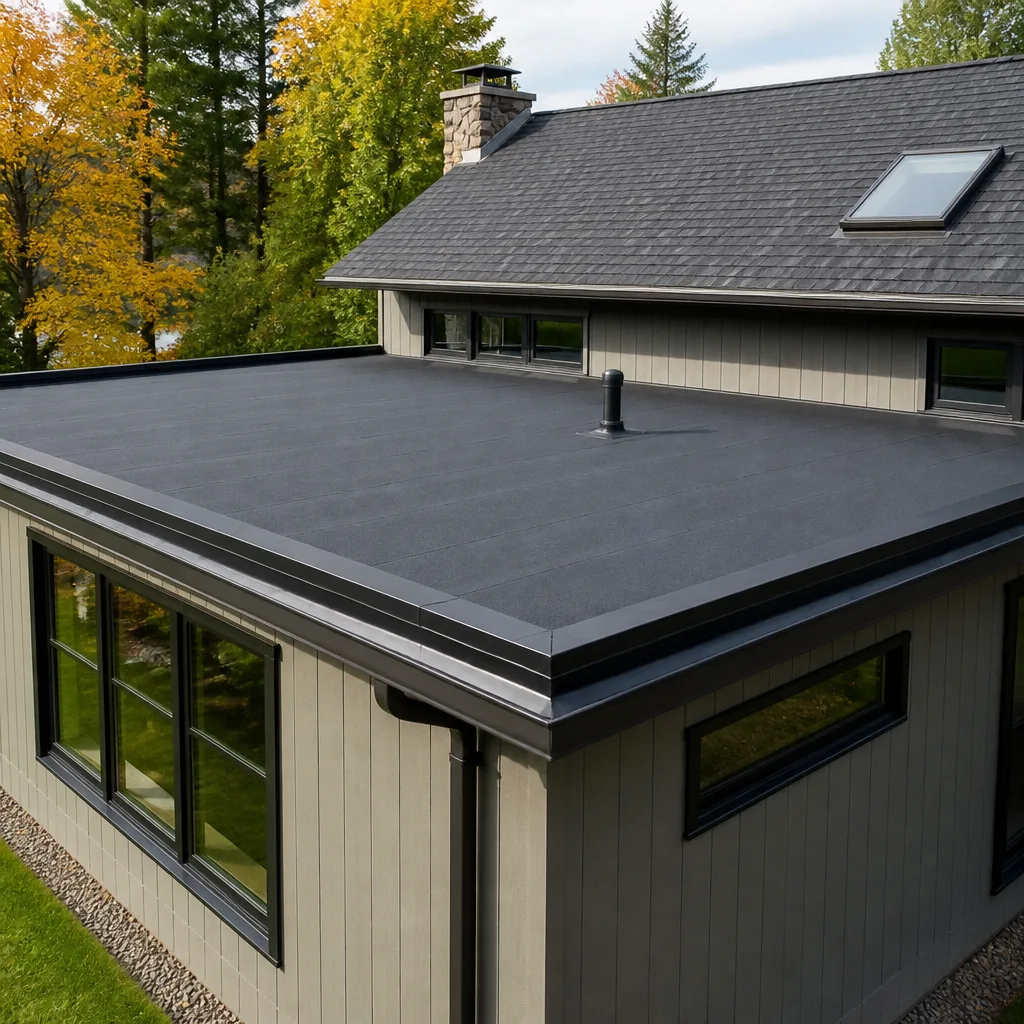 Flat & low-slope
Free roof inspection with deck photos before we talk money - GAF and Owens Corning certified installation
The Complete Guide to Roofing in Victorville
Most California roofing guides are written with the coast in mind. Victorville gets roughly 278 sunny days a year, a UV index that regularly hits 10 in summer, and July ground temperatures that push asphalt shingles past their rated thermal limits. Generic advice can quietly cost you years of roof life. This guide is different. It starts with what the High Desert actually does to a roof, then walks you through materials, costs, permits, and how to hire the right contractor so you make one informed decision instead of five confused ones. If you own a home in Victorville, this is the roofing education you should have received at closing.
Quick Answer
The right roof for a Victorville home is one built for extreme UV exposure, daily temperature swings of 40°F or more, and wind-driven debris from Santa Ana events. In practice, that means choosing UV-stable materials, installing proper underlayment rated for thermal cycling, and working with a contractor who understands High Desert specifics rather than applying coastal California assumptions. Roof replacement in Victorville typically costs between $8,000 and $18,000 depending on material grade and home size, while targeted repairs run $350 to $1,600 for most common issues.
Styles & brands we work with
Table of Contents
- How Victorville’s Climate Attacks Your Roof
- Material Selection: What Actually Works in the High Desert
- Low-Slope Roofs: The Victorville Tract Home Reality
- Lifecycle Costs: Install Price vs. True Cost per Year
- San Bernardino County Permits: What Victorville Homeowners Need to Know
- How to Read a Roofing Estimate Line by Line
- Why Inspection Should Come Before Any Repair or Replacement
- Common Mistakes to Avoid
How Victorville’s Climate Attacks Your Roof
Victorville sits in USDA Climate Zone 5B and the Mojave Desert’s western edge. The roof on your house faces conditions that would void most warranty assumptions in a coastal market. Let’s be specific about what’s happening up there.
UV radiation is the primary destroyer. Victorville sees roughly 278 sunny days per year. The UV index passes 9 regularly between May and September. Asphalt shingles carry UV stabilizers, but they degrade on a schedule measured in cumulative exposure hours, not calendar years. A shingle rated for 30 years in San Diego might deliver 18 to 22 in Victorville if it’s a budget-grade product. The sun eats the asphalt’s oils, the granules loosen, and the shingle becomes brittle. You’ll see it first along the south and west faces, where exposure is harshest.
The diurnal temperature swing is the silent killer. Summer days hit 100°F. Nights drop into the 60s. That’s a 40-degree swing in 12 to 14 hours, repeated hundreds of times each year. Every material on your roof expands during the day and contracts at night. Metal panels move along their fasteners. Asphalt shingles flex at the edges. Sealants at flashing points stretch and eventually tear. In Victorville, we see sealant failure around vents, chimneys, and skylights years before the shingles themselves wear out. Coastal homes don’t experience this same fatigue cycle.
Santa Ana winds deliver projectiles, not just gusts. When wind events hit the High Desert, they push tumbleweeds, branches, and loose patio furniture across neighborhoods like Spring Valley Lake and Eagle Ranch. Tumbleweeds are abrasive. They scrape shingle surfaces as they tumble across roofs. Debris also clogs valleys and scuppers on flat sections, backing water up during the rare but intense winter rain events. A roof in Victorville needs more than wind-rated fastening; it needs a maintenance rhythm that clears debris before it becomes a drainage problem.
What This Means for Your Decisions
- Material grade matters more here than in many California markets. The cheapest architectural shingle may not survive a full warranty cycle.
- Ventilation isn’t optional. Attic temperatures in Victorville routinely exceed 140°F in summer. Poor ventilation bakes shingles from below and above simultaneously.
- Flashing and sealant work deserves extra attention. The temperature cycle assaults these points harder than the open field of shingles.
- South and west roof faces deteriorate first. An honest inspection will note which faces need work, even if the rest of the roof has life left.
For a deeper look at how climate affects repair decisions, see our guide to Roof Repair in Victorville.
Material Selection: What Actually Works in the High Desert
Oakmont Roof Repair installs and works with materials from seven major manufacturers: GAF, CertainTeed, Owens Corning, IKO, Atlas, Tamko, and Boral. That breadth exists for a reason. The right material for a Victorville home depends on roof slope, sun exposure, budget, and how long you plan to own the home. Here’s what we recommend based on years of High Desert work.
Asphalt Shingles: Still the Workhorse, With Caveats
Architectural asphalt shingles remain the most common roof in Victorville. They’re affordable, widely available, and perform acceptably when you pick the right grade. The key is selecting a shingle with strong UV stabilization and reinforced fiberglass matting. In our experience, IKO and Atlas both offer lines that hold up better than budget alternatives under sustained UV load. Atlas in particular includes SBS-modified asphalt in some lines, which improves flexibility during those cold winter nights when the day to night swing is most extreme.
What we caution against: three-tab shingles. They’re thinner, carry less asphalt, and fail faster under Victorville sun. The cost difference between three-tab and architectural is modest, but the lifespan difference is measured in years.
Tile: Excellent in Heat, Heavy on Structure
Concrete and clay tile handle UV radiation exceptionally well. A tile roof can last 50 years in Victorville because the material doesn’t rely on petroleum-based compounds that break down in sun. But tile is heavy. Many Victorville tract homes built in the 1980s and 1990s were framed for lightweight shingle loads. If you’re considering tile, the roof structure needs evaluation first. Boral makes concrete tile and steel tile products, and the lighter profiles can sometimes fit homes that can’t handle traditional clay.
Metal: The Underrated High Desert Performer
Standing seam metal handles the Victorville climate better than most people expect. It reflects solar radiation during the day, cools quickly at night, and doesn’t crack or curl. The installation detail that matters most is the fastener specification. A metal roof that’s screwed down tightly without allowance for thermal movement will oil-can and eventually develop leaks at the panel joints. Done correctly, a Victorville metal roof can last 40 plus years with minimal maintenance.
Flat Roof Membranes: TPO and Modified Bitumen
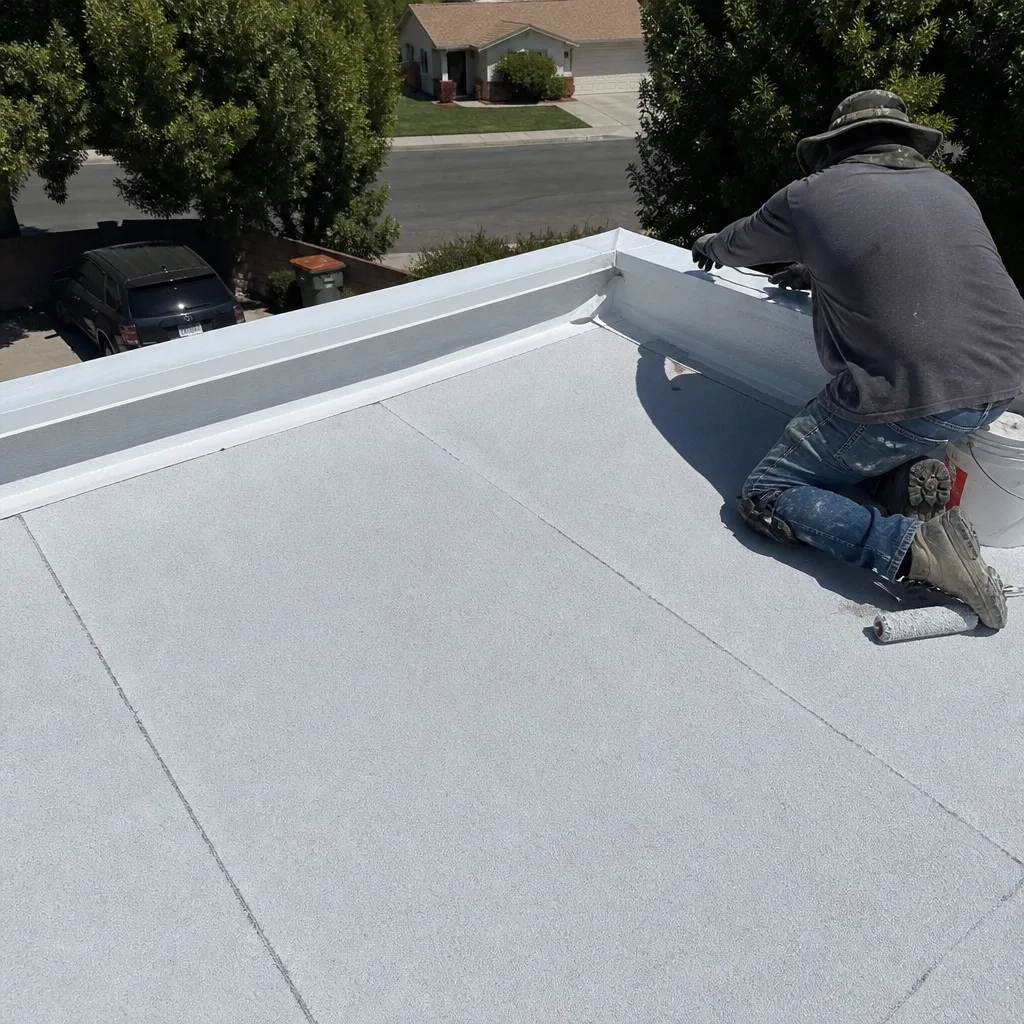
For the low-slope and flat sections common on Victorville tract homes, membrane systems dominate. TPO carries high reflectivity, which lowers cooling costs in summer. Modified bitumen offers better puncture resistance, which matters when Santa Ana winds push debris across flat surfaces. Both can work. The installation quality at seams and penetration points determines whether the roof fails in year five or year twenty.
The honest takeaway: there is no single “best” material for every Victorville home. There’s a best material for your specific roof slope, your structural capacity, your sun exposure, and your budget. Carrying seven brand lines lets us make that recommendation based on what your roof actually needs, not what one manufacturer happened to sell us. See our Roof Replacement in Victorville page for a deeper material comparison.
Low-Slope Roofs: The Victorville Tract Home Reality
A significant share of Victorville homes, especially those built in the 1970s through 1990s, feature low-slope or fully flat roof sections. These roofs face a different set of demands than the pitched roofs that dominate most roofing guides. If your home has a flat section over the garage, a patio roof, or a contemporary design with hidden slopes, this section is for you.
Why Low-Slope Systems Fail Differently
Pitched shingle roofs shed water through gravity. Low-slope roofs rely on membrane integrity and sealant performance at every penetration. When a flat roof leaks in Victorville, it’s usually at one of three points: a seam that separated under thermal cycling, a penetration point where sealant dried and cracked, or a ponding area where water sat long enough to degrade the membrane.
Ponding water is a bigger risk than most homeowners realize. After a High Desert rain event, water evaporates quickly from slopes but lingers in low spots on flat sections. UV exposure degrades ponding water, concentrating minerals and chemical residues that attack membrane surfaces. A flat roof that regularly ponds after rain should be on your inspection list. The fix may be as simple as adding a tapered insulation system to create slope, or as involved as a full membrane re-cover.
Material Minimums for Low-Slope in Victorville
If you’re installing or replacing a low-slope roof in Victorville, these are the specifications we hold to:
- Membrane thickness no thinner than 60 mil for TPO. Thinner membranes save a few hundred dollars and fail years sooner under UV load.
- Reinforced seams. Heat-welded TPO seams or torched modified bitumen seams hold better than cold-applied alternatives under Victorville’s temperature swings.
- Positive drainage. No flat roof should be truly flat. Minimum slope of 1/4 inch per foot, verified with a level before the membrane goes down.
- Sealant schedule. Every penetration gets a two-part process: primary sealant, then a membrane boot or collar. Single-step sealant jobs are the most common repair call we see.
- Insulation compatibility. If the roof is insulated below the membrane, the insulation must be rated for the compressive loads the membrane system will carry.
If you’re unsure whether your home’s flat sections are performing, start with a Roof Inspection in Victorville. A flat roof can hide damage for years before it becomes a visible ceiling stain.
Lifecycle Costs: Install Price vs. True Cost per Year
The biggest mistake Victorville homeowners make is comparing roofing bids on install price alone. A roof is a 15 to 40 year asset. The right comparison is cost per year of service life. Here’s the math, using realistic Victorville market ranges.
| Material Type | Typical Install Range (Victorville) | Expected Life in High Desert | Cost per Year |
|---|---|---|---|
| Three-tab asphalt | $7,500 – $11,000 | 12 – 15 years | $500 – $733 |
| Architectural asphalt (mid-grade) | $9,500 – $14,000 | 18 – 22 years | $432 – $778 |
| Architectural asphalt (premium, SBS-modified) | $12,000 – $17,000 | 25 – 30 years | $400 – $680 |
| Concrete tile | $16,000 – $24,000 | 40 – 50 years | $320 – $600 |
| Standing seam metal | $18,000 – $28,000 | 35 – 45 years | $400 – $800 |
| TPO membrane (low-slope) | $8,000 – $13,000 | 15 – 20 years | $400 – $867 |
These ranges assume a typical Victorville single-family home between 1,600 and 2,400 square feet. Your specific numbers will vary based on roof complexity, tear-off requirements, decking condition, and access.
The pattern matters more than the specific numbers. A premium architectural shingle from a brand like Tamko or Atlas often costs 20 to 30 percent more upfront than a mid-grade product, but the extended service life brings the annual cost below the cheaper option. The same logic applies to tile: the install is expensive, but a 50-year Victorville service life makes it the cheapest roof per year in this climate, assuming your structure can support the load.
We also ask homeowners to factor in the cost of delayed maintenance. A small sealant repair that costs $400 today prevents a decking replacement that costs $3,000 in five years. The cheapest roof is the one that doesn’t need a full replacement early.
San Bernardino County Permits: What Victorville Homeowners Need to Know
Roofing work in Victorville falls under San Bernardino County building jurisdiction, and the permit requirements differ from what most generic California guides describe. Here’s what you need to know before any contractor starts.
When a Permit Is Required
- Full roof replacement: A building permit is required. The contractor must submit a roof layout with material specifications, underlayment type, and fastening schedule.
- Structural repairs: If decking, rafters, or trusses need replacement beyond small isolated sections, a permit is required and may involve an inspection.
- Material type changes: Switching from asphalt to tile or metal typically requires a permit because it changes the structural load on the home.
- Low-slope re-covers: Adding a second membrane layer over an existing flat roof requires a permit in most circumstances.
When a Permit Is Usually Not Required
- Targeted shingle repair: Replacing isolated damaged shingles or sealing a small flashing point typically doesn’t need a permit.
- Minor sealant work: Re-sealing a vent collar or pipe boot is considered maintenance.
- Cosmetic patches: Paint or reflective coating on a flat roof membrane.
The rule of thumb: if the work changes the roof’s structural load, waterproofing system, or fire rating, assume a permit is needed. A legitimate roofing contractor handles the permit application as part of the job. If a Victorville contractor tells you a full replacement doesn’t need a permit, that’s a red flag. The permit exists to protect you, and the inspection at the end confirms the work meets current code. Unpermitted work can also complicate a future home sale.
How to Read a Roofing Estimate Line by Line
You’ve collected three estimates. The prices are close, but the details are different. How do you know which bid is actually better? Here’s how to read each line item and what to look for.
Line-by-Line Breakdown
- Tear-off and disposal: Verify the estimate includes removal of all existing roofing material down to the decking. Some bids leave the old layer in place, which saves money but hides deck damage. We always recommend full tear-off to bare decking.
- Decking replacement allowance: Look for a per-sheet price for replacing rotted or damaged plywood or OSB. Victorville homes are often 20 to 30 years old, and decking damage at leak points is common. A bid without decking allowance will generate change orders.
- Underlayment specification: This matters in Victorville. At minimum, you want a synthetic underlayment rated for high UV exposure. Verify the product name and thickness. The cheapest felt paper underlayment degrades faster in High Desert sun.
- Ice and water shield location: Even in the desert, this self-adhering membrane belongs in valleys, around penetrations, and along eaves. Its presence in those zones indicates the contractor builds for drainage points, not just open field.
- Flashing and pipe boot details: New flashing at every wall intersection, chimney base, vent pipe, and skylight should be specified. “Re-use existing flashing” is a cost-cutting shortcut that creates the most common Victorville leak source.
- Ventilation: The estimate should mention attic ventilation requirements. A proper roof in this climate includes intake and exhaust vents. If the bid is missing any ventilation line item, ask why.
- Fuel, travel, and disposal fees: Some contractors bury extra costs in the fine print. These should be itemized, not lumped.
- Payment schedule: Legitimate contractors bill at defined milestones: deposit, materials delivered, work complete. Avoid any bid that demands full payment upfront.
- Warranty terms: The estimate should state both the manufacturer warranty and the contractor’s workmanship warranty in writing. If the workmanship warranty isn’t in the contract, it doesn’t exist.
- Cleanup and haul-away: Verify the bid includes removal of all roofing debris, magnet sweep for nails, and final site cleanup.
When you compare bids this way, you’ll often find the “cheapest” estimate is simply the one missing the most line items. The true comparison is apples to apples on the same material grade, the same underlayment, and the same flashing scope. We itemize every job because we want you to compare us line by line against anyone.
Why Inspection Should Come Before Any Repair or Replacement
A roof inspection is a diagnostic, not a sales visit. It tells you what condition your roof is in, what needs attention now, what can wait, and what the remaining service life looks like. In Victorville, where UV damage accumulates unevenly across different roof faces, a professional inspection can catch early problems long before they become ceiling stains.
What an Oakmont Inspection Covers
- Shingle condition by roof face: South and west faces get closer examination, since they absorb the most UV.
- Flashing integrity: Every penetration point: chimneys, vents, skylights, pipe boots. Thermal cycling fatigue shows here first.
- Attic ventilation: We check intake and exhaust airflow, because attic heat is a major contributor to shingle aging in Victorville.
- Decking condition: Soft spots, water staining, or delamination that indicates a leak has already started.
- Low-slope membrane status: Seams, ponding areas, sealant condition, and membrane surface degradation.
- Drainage: Gutters, scuppers, valleys, and downspout outflow to make sure water gets away from the building.
The philosophy is simple: know what your roof actually needs before spending a dollar. A roof inspection is a standalone service from us, and the report you get gives you an honest condition assessment. If the roof has life left, we’ll tell you. If it’s time for replacement, we’ll show you why with photographs and specific measurements. No pressure, no manufactured urgency. Explore the details at our Roof Inspection in Victorville page.
Common Mistakes to Avoid
- Choosing material based on install price alone. The three-tab shingle that saves $2,000 today may cost you a full re-roof in 12 years. Calculate cost per year, not cost upfront.
- Skipping the attic inspection. A roof inspection that only looks at the exterior misses moisture damage, ventilation problems, and decking rot. Any Victorville roof evaluation should include both sides.
- Allowing a re-cover over existing shingles. Nailing new shingles over old ones saves tear-off costs but hides deck damage and halves the new roof’s expected life. Always demand a full tear-off to decking.
- Reusing old flashing. Flashing is the most common leak source in Victorville because of thermal cycling. New flashing is not an optional upgrade; it’s the core of the waterproofing system.
- Ignoring ventilation. A hot attic bakes shingles from below. In Victorville summers, proper ventilation can extend roof life by several years.
- Hiring a general contractor who “does roofs too.” Roofing is a specialized trade. The details that prevent High Desert failures are invisible to someone who splits their time across kitchens and bathrooms.
- Believing a warranty you’ll never be able to claim. Manufacturer warranties require specific installation details. If the contractor can’t show documentation of the install method, the warranty may be void. Verify before you sign.
See the difference
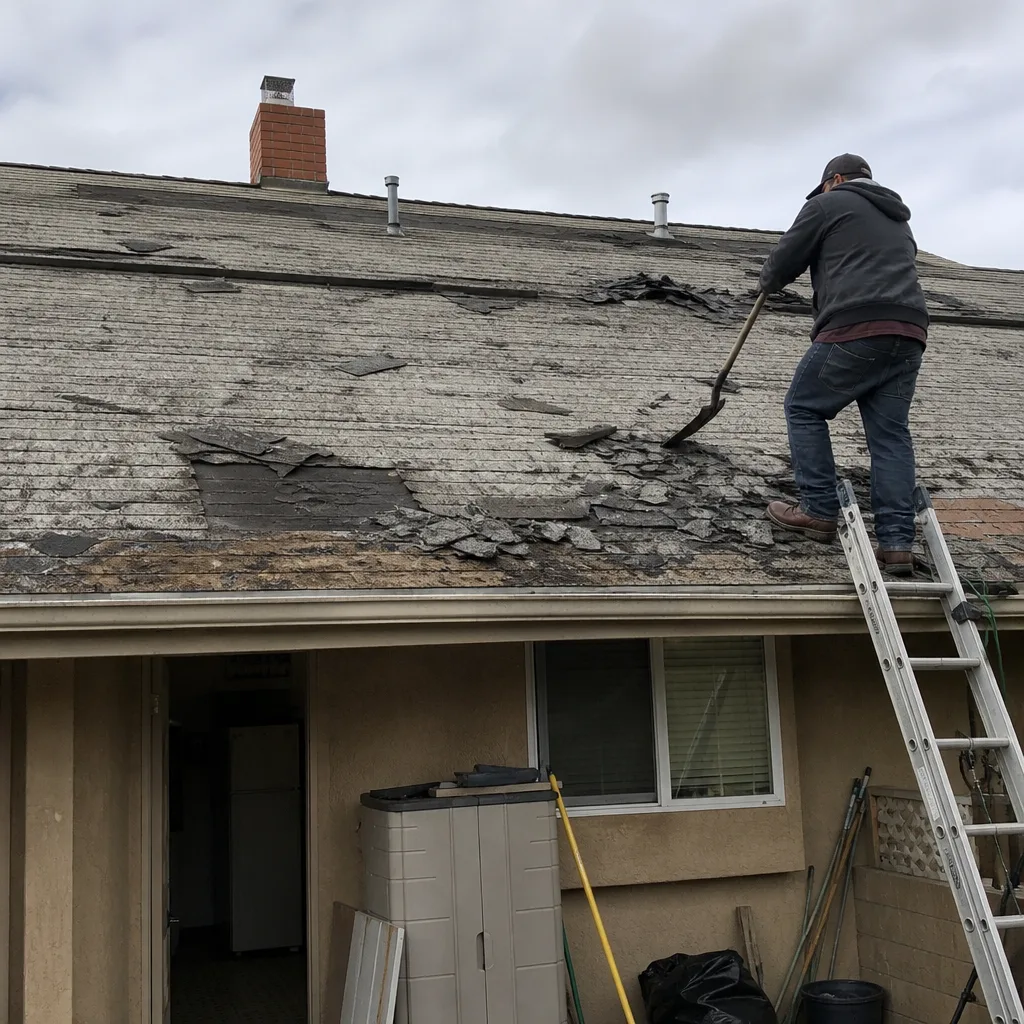 Before
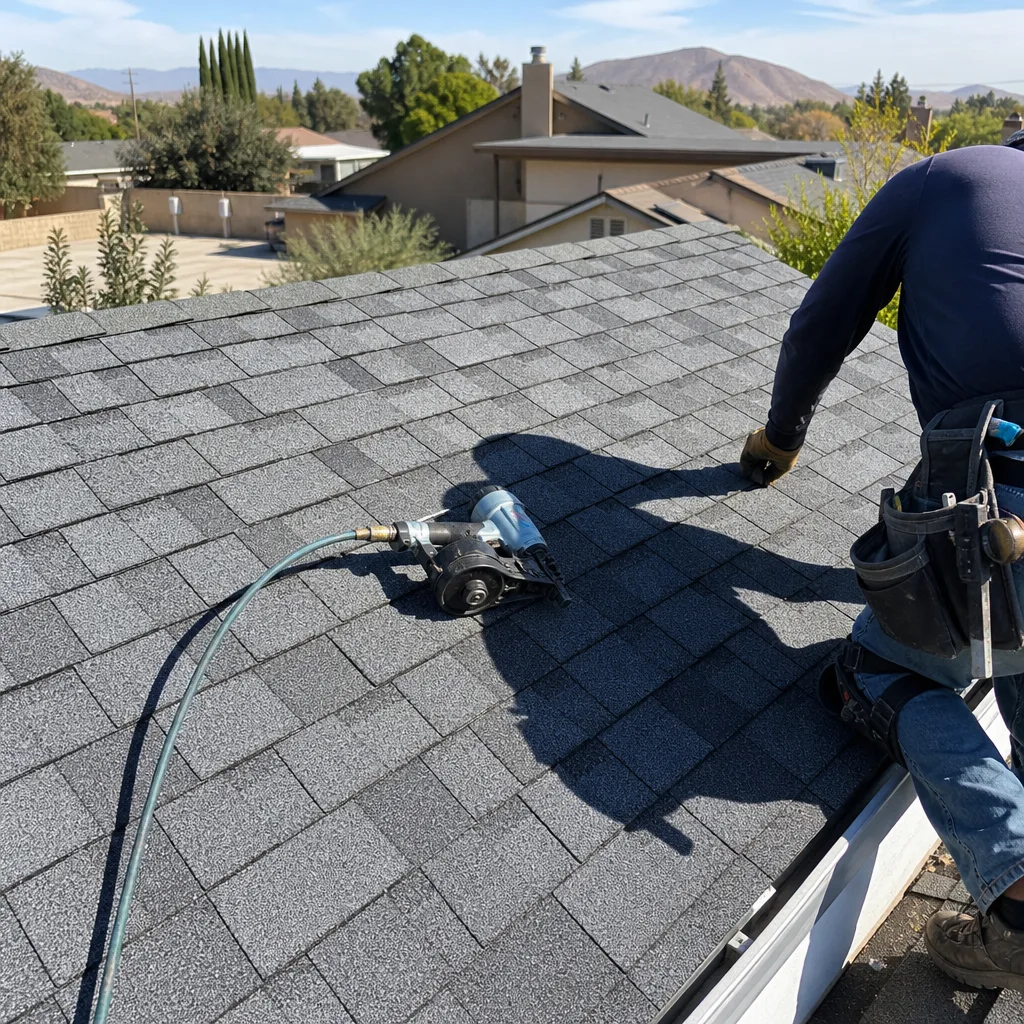 After
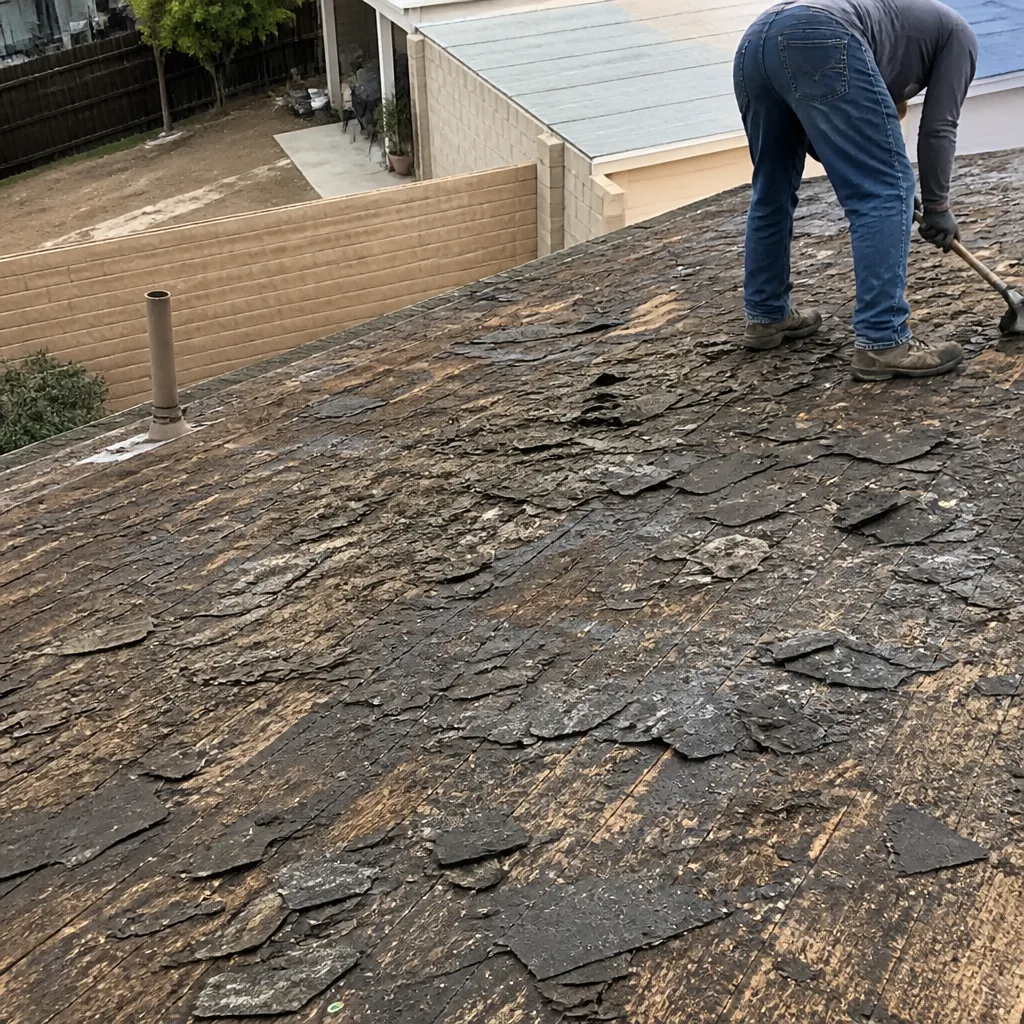 Before
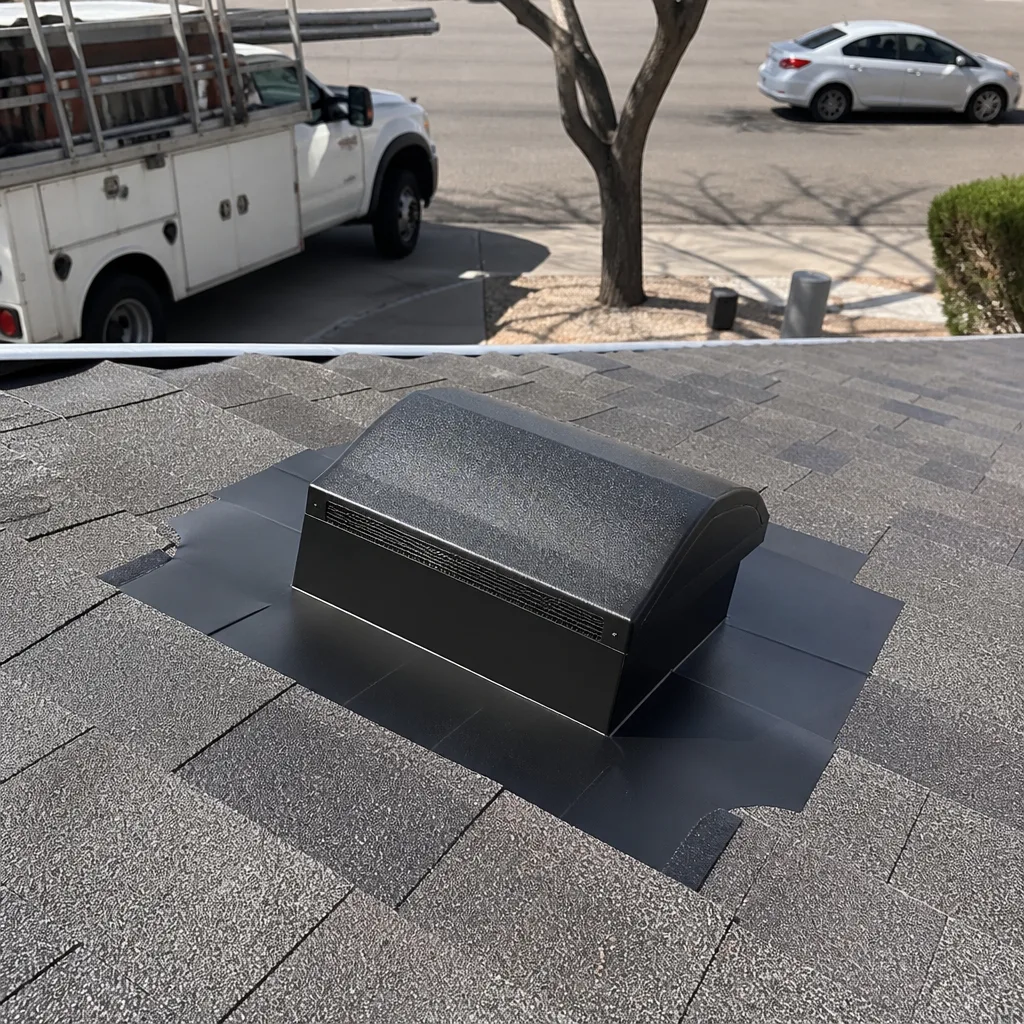 After
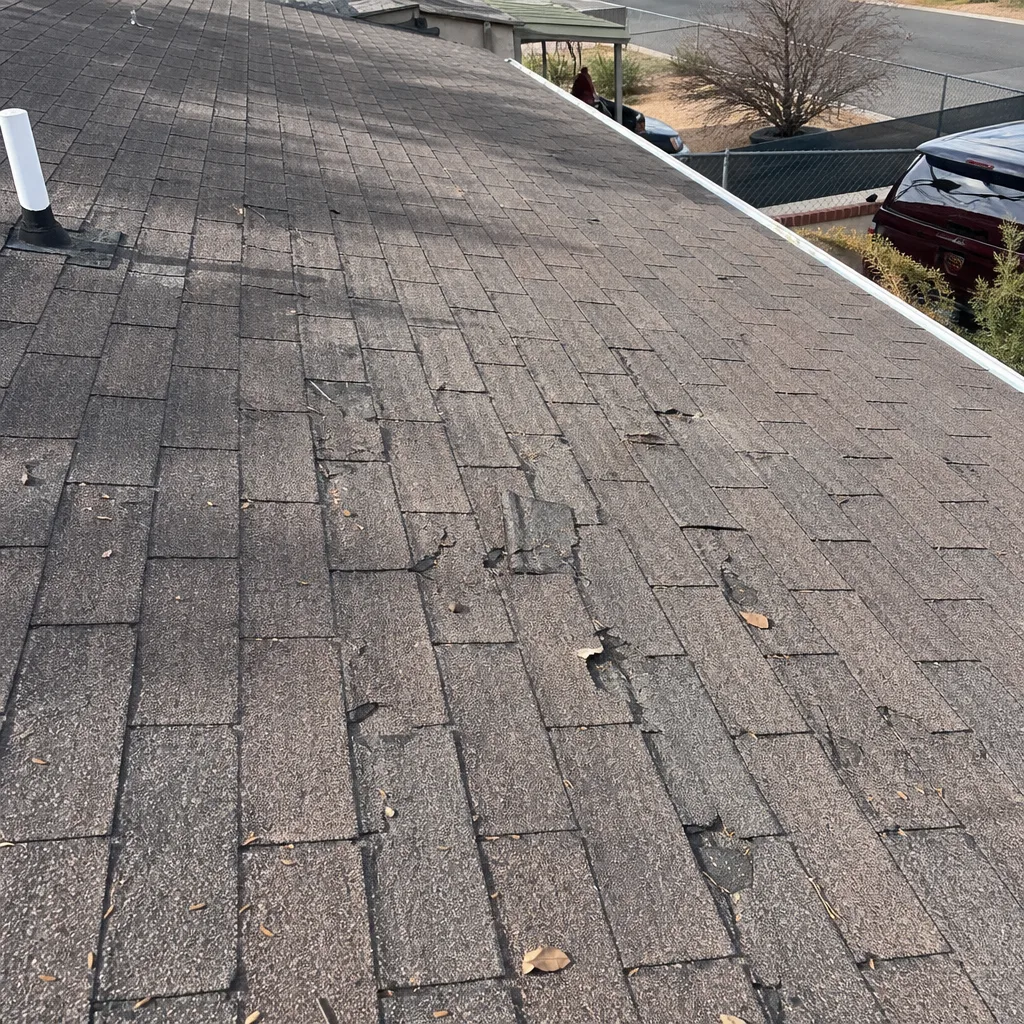 Before
 After
When to Call a Professional
You should call a roofing professional whenever you notice: water stains on ceilings or walls after rain, shingles cracking or curling at the edges, granules accumulating in gutters, daylight visible through the attic, or sealant pulling away from vent pipes and chimneys. If a Santa Ana event leaves debris on your roof, a quick inspection is cheaper than the repair that follows a puncture. And if you’re planning to sell or buy a Victorville home, a pre-purchase roof inspection protects you from inheriting a five-figure problem. Oakmont Roof Repair offers free estimates in Victorville, call (866) 942-0875 to schedule yours. We’ll tell you what your roof actually needs, even if the answer is “nothing right now.”
Frequently Asked Questions
A new roof in Victorville typically costs between $8,000 and $18,000 depending on the material, the home’s size, and the roof’s complexity. Asphalt shingle replacements on a standard single-family home usually land between $9,500 and $14,000, while tile and metal run higher. Call (866) 942-0875 for a free estimate based on your specific roof.
The best roofing material for the Victorville High Desert is one that resists UV degradation and handles daily temperature swings. Tile and standing seam metal last longest, while premium architectural asphalt from brands like Atlas, IKO, or Tamko offers a strong balance of cost and lifespan. The right choice depends on your roof’s structural capacity and your budget.
A roof in Victorville lasts 12 to 50 years depending on material. Three-tab asphalt may fail in 12 to 15 years under High Desert UV exposure, architectural asphalt lasts 18 to 30 years depending on grade, and tile or metal can exceed 40 years with proper installation. The lifespan range is wide because the climate punishes lower-grade materials quickly.
Yes, a full roof replacement in Victorville requires a building permit through San Bernardino County. The permit ensures the work meets current code and includes an inspection at the end. Targeted shingle repairs and minor sealant work do not require permits, but any change to the waterproofing system or structural load does.
That depends on the roof’s age, the extent of the damage, and which faces are affected. If the south and west faces are heavily degraded while the rest of the roof has life, targeted repair may extend the roof by several years. The deciding factor is whether the repair cost approaches 30 percent of replacement cost; beyond that threshold, replacement often makes more financial sense. An inspection gives you the answer.
You can check for visible signs: properly lapped and staggered shingles, presence of flashing at every penetration, clean sealant lines, and visible ventilation. An attic check reveals the underlayment condition and any moisture staining. The surest way is to hire a roofing specialist for a documented inspection that covers installation details against manufacturer specifications. Oakmont Roof Repair home page describes our full inspection approach.
The Bottom Line
Victorville homes need roofs built for the High Desert, not for coastal California. The sun is stronger, the temperature swings are wider, and the wind carries abrasive debris across flat and sloped surfaces alike. The right roof starts with the right material grade, includes proper flashing and ventilation, and gets installed by a specialist who understands what this climate does over a 20-year timeline. If you’re not sure where your roof stands, start with an inspection. It’s the cheapest diagnostic in roofing and the only way to know whether repair or replacement is the right call. Seven major brands, one trusted installer. Oakmont Roof Repair can show you every option that fits your home and your budget.
Written by the team at Oakmont Roof Repair, serving Victorville since 2013.