
Last updated October 31, 2026
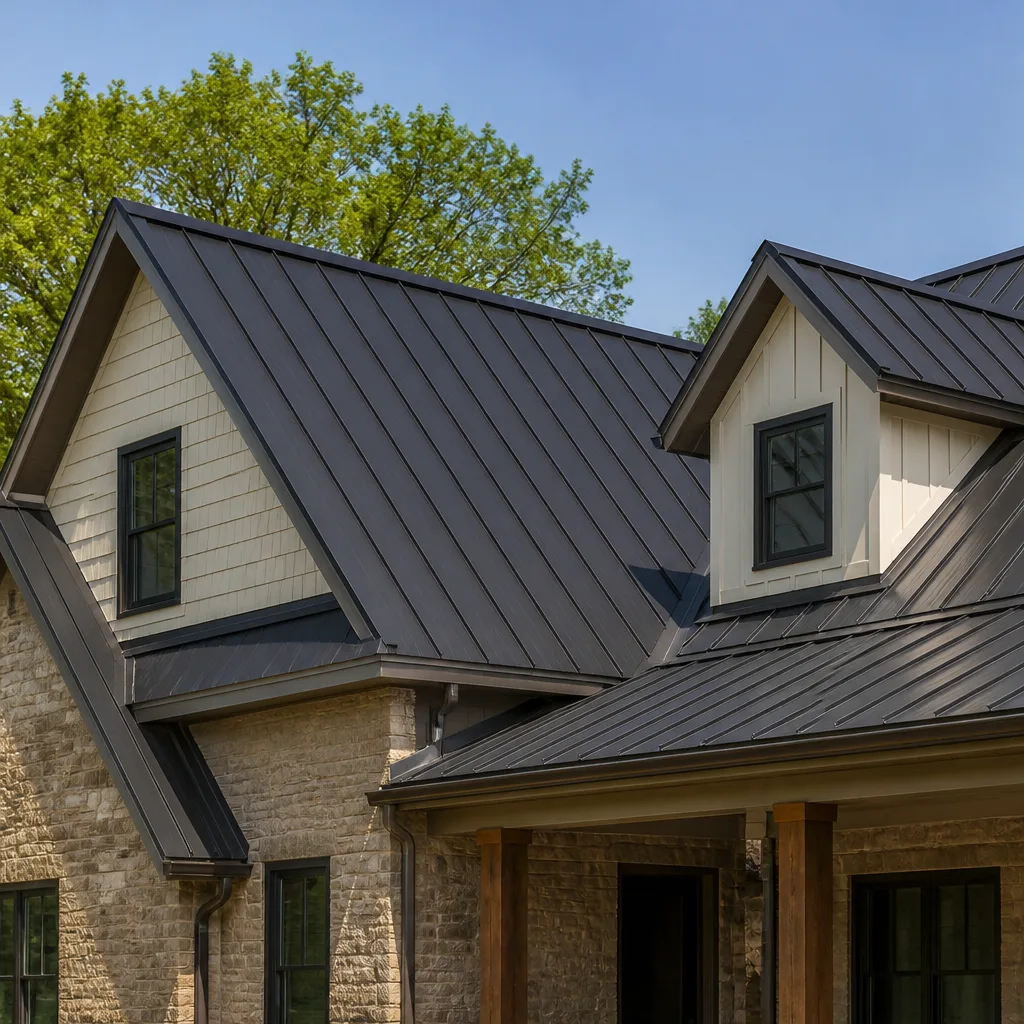 Metal roofing
 Architectural shingles
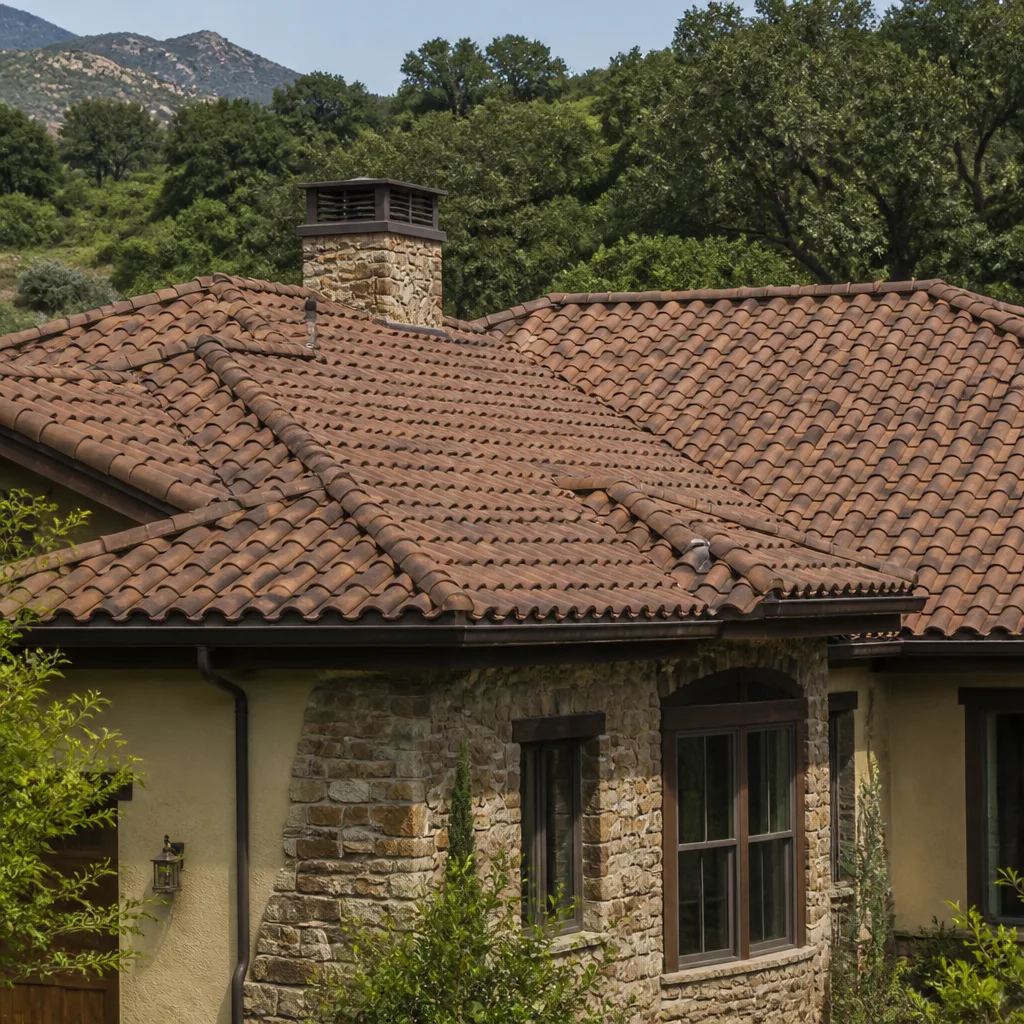 Tile roofing
 GAF
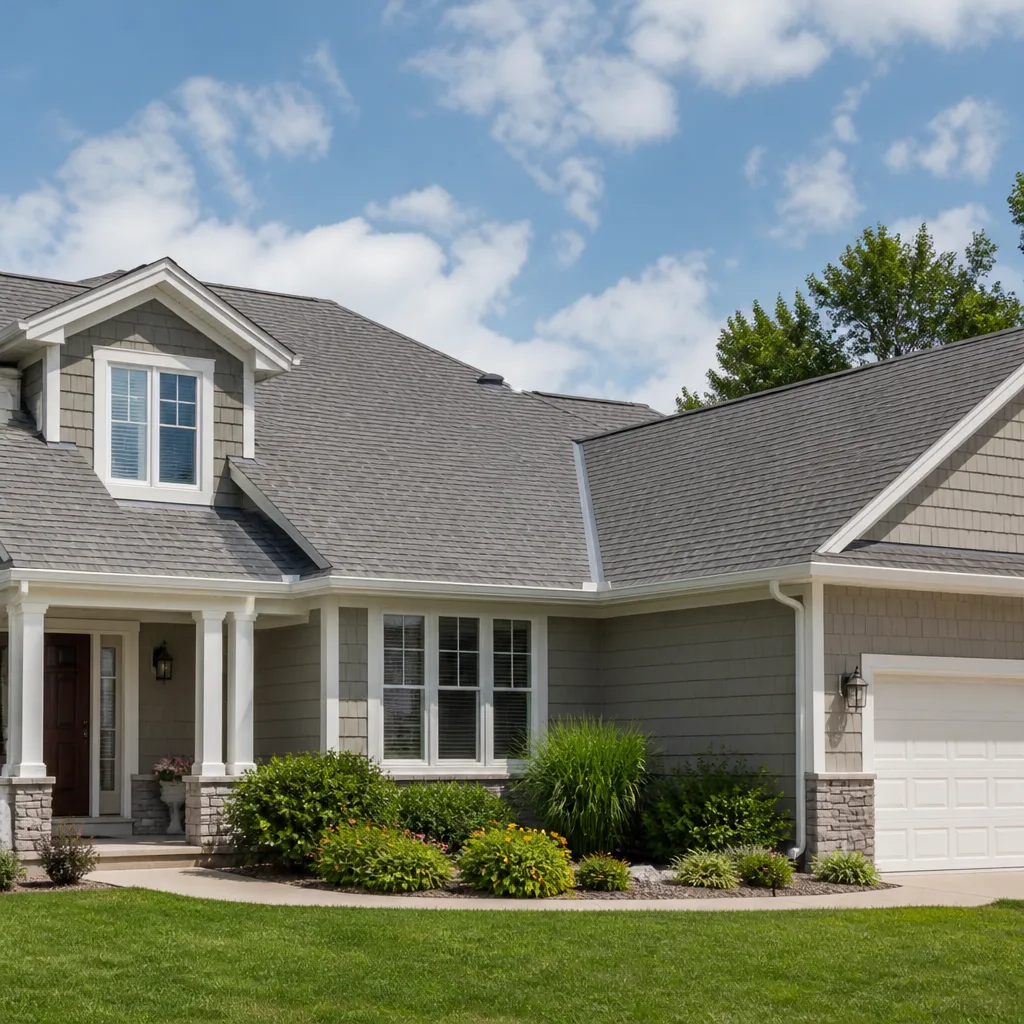 Owens Corning
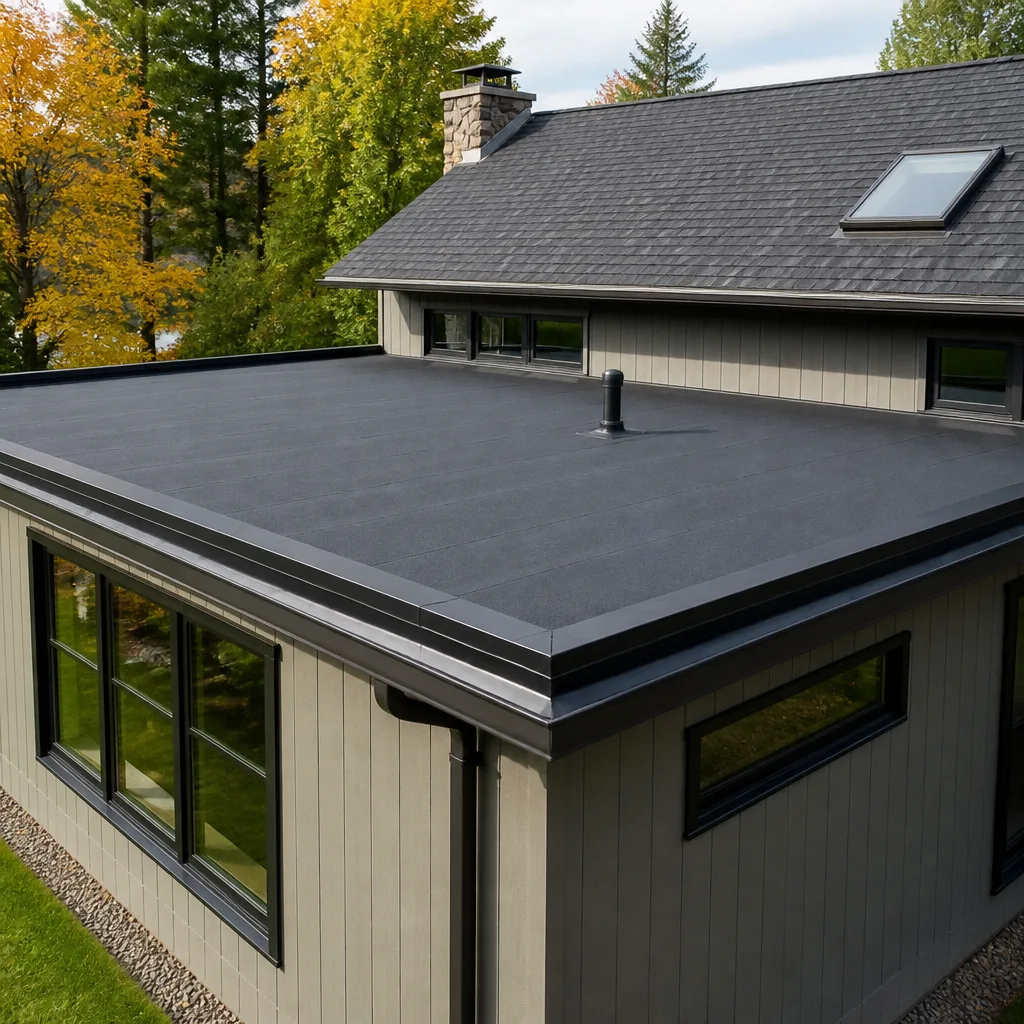 Flat & low-slope
Free roof inspection with deck photos before we talk money - GAF and Owens Corning certified installation
Roofing Emergency Preparedness Guide for Victorville Homes
After a serious Santa Ana wind event tears through the Victor Valley, most roofing contractors are booked solid for three to six weeks within 48 hours. We’ve watched it happen after every major blow. The homeowners who get fast, fair responses are the ones who had documented roof condition before the storm. Everyone else is negotiating from a weaker position with both their insurer and their contractor. This guide is built around preparation before the event, not reaction after it, because in Victorville, the question is never if a windstorm will test your roof. It’s when.
Quick Answer
A Victorville roofing emergency almost always traces back to Santa Ana wind damage between October and March, or a sudden microburst during the late-summer monsoon window. The single most valuable thing you can do is create a documented pre-storm baseline of your roof’s condition: dated photos, inspection notes, and material records. Homeowners with that baseline get insurance claims processed faster and contractors scheduled ahead of the post-storm backlog.
Styles & brands we work with
Table of Contents
- Victorville’s High-Risk Weather Windows
- How to Create a Pre-Storm Roof Documentation Baseline
- Immediate Response Steps When Damage Occurs
- Navigating Insurance Claims Without Weakening Your Position
- The Post-Storm Contractor Surge in the High Desert
- What Needs 24-Hour Response vs. What Can Wait
- Common Mistakes to Avoid
- When to Call a Professional
- Frequently Asked Questions
Victorville’s High-Risk Weather Windows
Victorville sits at roughly 2,700 feet of elevation in the High Desert, which creates a weather pattern that surprises newcomers and occasionally punishes long-time residents who let their guard down. The roof on a Victorville home faces three distinct seasonal threats, and each one damages roofs differently.
The first and most destructive is Santa Ana wind season, running from October through March. These winds funnel through the Cajon Pass and across the Victor Valley with sustained speeds that regularly hit 40 to 60 mph, with gusts exceeding 70 mph in exposed areas. What makes Santa Ana events so damaging isn’t just the speed. It’s the duration. A single event can hammer a roof for 12 to 36 hours straight, which fatigues fasteners, lifts shingle tabs repeatedly, and peels back flashing at the exact points where roofs are most vulnerable: hips, ridges, eaves, and anywhere a roof plane changes direction.
In our experience tracking roof damage across Victorville, the homes that suffer worst during Santa Ana events are usually in the more exposed neighborhoods: Spring Valley Lake, portions of the Mesa, and homes built on the southern and western windward slopes where nothing blocks the gusts coming through the pass.
The second threat window runs from July through early September, when monsoon moisture pushes up from the Gulf of California and triggers sudden afternoon thunderstorms. These storms deliver violent microbursts – short, intense downdrafts that can hit a single neighborhood with 50 to 60 mph winds and heavy rain in a matter of minutes. Microburst damage often looks different from Santa Ana damage. Instead of widespread shingle loss across a whole roof plane, you’ll see isolated damage concentrated in one area, sometimes just one side of one ridge line.
The third threat is less dramatic but still real: freeze events. Victorville’s winter nights regularly drop below freezing, and homes in the higher-elevation areas around the Victor Valley – particularly those along Bear Valley Road heading east and the outskirts near the Mojave River – can see hard freezes. Water that has seeped into small cracks or beneath lifted shingles expands when it freezes, widening those openings over repeated freeze-thaw cycles. A roof that survived Santa Ana season with minor damage can have that damage compounded silently through the winter.
How to Create a Pre-Storm Roof Documentation Baseline
The single highest-leverage move a Victorville homeowner can make is documenting their roof before anything goes wrong. This isn’t a DIY repair project. It’s an evidence-gathering exercise that takes an afternoon and pays off in claim speed and contractor priority when a storm does hit.
Here’s the step-by-step process we recommend:
- Take comprehensive photos from the ground. Walk the perimeter of your home and photograph every roof plane from at least two angles. Capture the ridge lines, valleys, eaves, flashing around chimneys and vents, and any visible pipe boots. Use a real camera or a phone with good zoom. Date-stamp is automatic on most phones, but verify it’s enabled.
- Photograph the roof surface from any elevated vantage point. A second-story window, a neighbor’s balcony, or a ladder placed safely against the eave (never on the roof itself unless you’re trained and equipped for roof work) can reveal shingle condition that ground-level photos miss. We’re looking for curling edges, missing granules, exposed nail heads, and any shingle that’s already lifted.
- Document the roof interior. Go into your attic during daylight hours with a flashlight. Photograph the underside of the roof decking, especially around vents, chimneys, and any area where roof planes intersect. Look for dark streaks, water staining, or daylight visible through gaps. Attic photos are the single most valuable evidence set for insurance claims, because they show condition from the inside where wind and water intrusion actually begin.
- Note the age and material of your roof. Write down what you know: shingle manufacturer (GAF, CertainTeed, Owens Corning, or whichever brand is installed), approximate installation date, and any repair history. If you have original paperwork from a previous roof replacement, photograph it and store it with the baseline package.
- Schedule a professional roof inspection. A professional Roof Inspection in Victorville produces a written condition report that carries real weight with insurers. It establishes a documented, third-party assessment of your roof’s condition before any storm event. When a claim comes in, you’re not relying on your own amateur photos. You have a professional baseline.
- Store everything in at least two places. Cloud storage is fine, but don’t rely on it alone. Keep a local copy on a hard drive or USB stick in a fireproof safe. If your phone is destroyed in a storm and your cloud account is compromised, you still have the evidence.
What your insurer will actually require when you file a claim: the date of the storm event, dated photos showing the damage, photos of the roof before the damage (your baseline), a written description of what happened, and usually a professional assessment or repair estimate. Homeowners who have the first four items ready before the adjuster ever calls are operating from strength. Those who don’t are trying to reconstruct evidence after the fact, and that’s a much harder position.
One detail most guides miss: photograph your roof from the exact same angles every time you document it. If the baseline photos match the post-storm photos shot-for-shot, the comparison becomes obvious to an adjuster. You’re showing them exactly what changed, not asking them to interpret two completely different photo sets.
Immediate Response Steps When Damage Occurs
When a windstorm or microburst hits and you suspect roof damage, the first 24 hours determine how smoothly everything that follows will go. Here’s the sequence we tell our Victorville customers to follow.
- Safety first, always. Do not climb onto your roof after a storm. High wind can have loosened shingles, decking, or entire sections that look intact from the ground but will give way under weight. Stay on the ground. If there’s active water intrusion into the living space, move valuables and electronics away from the affected area, and put down buckets or towels to minimize interior damage.
- Photograph everything from the ground before touching anything. This is critical. Walk the perimeter and photograph every angle of the roof, focusing on areas where you suspect damage. If shingles are in the yard, photograph them where they landed before moving anything. The position and distribution of fallen shingles tells an adjuster a lot about wind direction and force.
- Document the interior immediately. If water is coming in, photograph the ceiling stain, the wall streak, the wet insulation, whatever is visible. Time-stamp it. Interior water damage that sits for three days before it’s photographed looks different than damage photographed at hour six, and adjusters know that.
- Perform a temporary tarp only if it’s safe and necessary. If you have an active leak and rain is forecast before a roofer can arrive, a tarp over the affected area can prevent further interior damage. But the tarp itself should be documented. Photos of the tarped area before and after tell the insurer you mitigated the damage responsibly, which strengthens your claim rather than weakening it. If you’re not comfortable placing a tarp, don’t. Interior buckets and a call to a roofing contractor are the appropriate response.
- Call your insurance company and start the claim. Report the damage promptly. Most policies require prompt notification, and delays can create friction later. Give them the basics: date of the event, what you observed, what you photographed, and what mitigation steps you’ve taken.
- Call a roofing contractor for a professional damage assessment. This is separate from your insurance company’s adjuster visit. A professional Roof Repair in Victorville assessment gives you an independent evaluation of the damage and a repair scope before the insurance adjuster arrives. That puts you in a position to compare what the adjuster finds with what your contractor found, and flag discrepancies early.
One action that can inadvertently weaken an insurance claim: moving, cleaning, or disposing of storm debris before it’s been photographed and documented. We understand the urge to clean up the yard. But every shingle, every piece of flashing, every branch that came down is evidence of what happened. Photograph it all first, then clean up.
Another claim-weakening move: signing with the first contractor who knocks on your door before you’ve talked to your insurer. More on that in the contractor surge section below.
Navigating Insurance Claims Without Weakening Your Position
Insurance claims after a Victorville wind event follow a predictable pattern. The homeowners who understand that pattern before they file get better outcomes. Here’s what we’ve seen work, and what we’ve seen go wrong.
Have your documentation baseline ready before the adjuster arrives. When the insurance adjuster shows up, hand them a printed or digital package: your baseline photos, your post-storm photos, your professional inspection report if you have one, and your contractor’s damage assessment. Adjusters work through dozens of claims per day after a big storm event, and a homeowner who presents organized documentation is easier to work with, which usually translates to a faster and fairer settlement.
Be present during the adjuster’s inspection. Walk the property with the adjuster. Point out the specific areas of concern. If your contractor has already marked the damage, point to those marks. Adjusters appreciate homeowners who are engaged and informed, and the conversation is more productive than leaving them to inspect alone and discover what they discover.
Understand the difference between actual cash value and replacement cost coverage. Many Victorville homeowners don’t know which type of policy they carry until they file a claim. Actual cash value pays the depreciated value of the roof, which means a 20-year-old roof pays very little. Replacement cost coverage pays to replace the roof at current costs, subject to the deductible. This distinction matters enormously, and it’s worth knowing before a storm hits, not after.
Don’t accept a lowball initial offer without a second opinion. Initial settlement offers are frequently below what the repair will actually cost, especially after a major wind event when adjusters are handling high volumes. If the offer doesn’t match your contractor’s repair scope, push back with documentation. A professional contractor’s itemized estimate, paired with your photo evidence, is a strong basis for negotiation.
One specific Victorville context: adjusters sometimes underestimate the labor cost dynamics of the High Desert. After a major Santa Ana event, material costs and contractor availability shift quickly, and an estimate written at pre-storm rates may not cover what the repair actually costs in the post-storm market. Having a local contractor’s written estimate helps anchor the claim to the real market conditions.
The Post-Storm Contractor Surge in the High Desert
Within 48 hours of a significant Santa Ana wind event, Victorville gets flooded with roofing contractors. Some are legitimate local companies. Some are storm-chasers from out of the region who follow severe weather events across the western states, set up temporary shop, and move on when the work dries up. Here’s how to tell the difference.
Ask where the company is actually based. A legitimate Victorville roofing contractor has a local address, a local phone number, and a history in the community. An out-of-area storm-chaser often has a toll-free number and a mailbox address. Ask directly: where is your shop or office located? How long have you been roofing in Victorville?
Ask for proof of licensing and insurance. California requires roofing contractors to hold a C-39 roofing license. A legitimate contractor will show you their license number without hesitation. Verify it with the Contractors State License Board. A storm-chaser may bob and weave on this question, or flash a license from another state that doesn’t apply here.
Be skeptical of the door knocker with the urgent pitch. After a major storm, high-pressure salespeople work neighborhoods methodically, looking for roofs they can quickly “repair” or “replace” at a premium before the homeowner has time to think. The pitch often involves phrases like “we’re already in the neighborhood” or “we can put a tarp on today but you need to sign now.” Legitimate contractors are also busy after a storm, but they don’t pressure you to sign anything on the spot.
Ask for references from before the storm. A company that has been roofing in Victorville for years can point to past work in the area. A storm-chaser cannot. This single question eliminates most out-of-area operators quickly.
Get everything in writing before work starts. A written line-item estimate with a clear scope of work, materials specified, and a defined price protects you. Verbal estimates are worth nothing when disputes arise. Legitimate contractors put everything in writing as a matter of course.
At Oakmont Roof Repair, we carry seven major roofing manufacturer lines: GAF, CertainTeed, Owens Corning, IKO, Atlas, Tamko, and Boral. That matters in a post-storm market because our material recommendations are driven by what your roof actually needs and what your insurance will cover, not by what single brand we happen to stock. Seven major brands, one trusted installer, and the recommendation comes from the condition of your roof, not our inventory.
What Needs 24-Hour Response vs. What Can Wait
Not every roofing problem is an emergency. Understanding the difference saves you from making bad decisions under pressure, and it’s exactly the lever storm-chasers use to push homeowners into overpriced, rushed work. Here’s the honest breakdown.
True 24-hour emergencies: A tree branch or other object has punctured through the roof deck, creating an open hole. Water is actively entering the living space and rain is in the forecast. A large section of the roof has blown off and exposed the decking or interior. These situations need immediate mitigation – a temporary tarp or emergency board-up to stop active water intrusion. The mitigation stops the damage. The actual repair can then proceed on a normal schedule.
Urgent but not 24-hour: Visible shingle loss across a section of the roof. Damaged flashing that hasn’t yet let water in. A ceiling water stain that indicates slow intrusion. These problems need prompt attention, ideally within a week, but they don’t require a 2 a.m. tarp call. Schedule a professional assessment and repair at the earliest reasonable time, but don’t pay emergency premiums for work that can wait 72 hours.
Can wait for a scheduled assessment: Minor granule loss visible in gutters. A few lifted shingle tabs that haven’t broken free. General wear-and-tear observations that predate the storm. These are conditions that should be noted and addressed, but they’re not emergencies, and anyone telling you they are is selling, not informing.
The pressure point in Victorville specifically is the post-storm backlog. If you have a true emergency, you need a contractor who can get a tarp on quickly. If you have an urgent-but-not-emergency condition, you want to get on a schedule before the backlog worsens. Either way, the contractors who respond fastest after a storm are often the ones with the most capacity – which sometimes means the least local accountability. A local company with a full schedule may not answer the phone as fast, but the work will be there when you need follow-up service, and the warranty will mean something.
Common Mistakes to Avoid
- Waiting until a storm is forecast to start thinking about roof condition. The baseline documentation process described above takes an afternoon. Once a Santa Ana event is in the forecast, every roofer in Victorville is already booked, and you’re at the back of the line with no evidence and no leverage.
- Climbing onto the roof to inspect or tarp after a wind event. High winds can loosen decking and structural elements in ways that aren’t visible from below. This is how homeowners end up in emergency rooms. Stay on the ground and call a professional.
- Cleaning up storm debris before photographing it. Fallen shingles, scattered flashing, and branches in the yard are physical evidence of what the wind did. Photograph everything in place first, then clean up. Your insurer needs that evidence.
- Signing with the first door-knocking contractor before talking to your insurer or getting a second opinion. Storm-chasers rely on urgency and pressure. A legitimate contractor will give you a written estimate and let you think about it. Take the day to verify licensing and gather information.
- Ignoring a slow ceiling stain because it’s small. Water stains in the High Desert frequently indicate a roof penetration that will widen with freeze-thaw cycles. A small stain in July becomes a larger stain in January. Document it, assess it, and address it early.
- Filing an insurance claim without a professional assessment first. When you call your insurer blind, you’re reporting what you think happened. When you call after a professional inspection, you’re reporting what actually happened, with documentation. The second conversation goes much better.
- Assuming the insurance settlement will cover full replacement automatically. Policies vary widely, and depreciation schedules apply. Knowing your coverage type before a storm hit is part of preparation. Discovering it after filing a claim is a painful way to learn.
When to Call a Professional
Call a professional the moment you suspect roof damage rather than waiting to see if it gets worse. This applies after a wind event, after a microburst, after a freeze cycle that worries you, or when you spot a ceiling stain that wasn’t there last month. A professional roof inspection is quick, affordable, and gives you either peace of mind or an action plan.
Specifically, call when: water is entering the living space, shingles are visibly missing or lifted across a section of the roof, you hear wind-driven rattling from the roof during gusts, your attic shows daylight through the decking, or your energy bills spike suddenly during winter, suggesting insulation intrusion or ventilation failure. Any of these conditions warrants a professional look.
Oakmont Roof Repair offers free estimates in Victorville – call (866) 942-0875. We’ll assess the condition, document what’s happening, and give you a clear recommendation. Repair when it makes sense. Replace when it’s time. No pressure, just information.
Frequently Asked Questions
Emergency roof repair in Victorville typically ranges from $350 to $1,200 for temporary mitigation like tarping and sealing, and $800 to $4,000 for permanent repairs depending on the extent of the damage and the roofing materials involved. Belt-and-braces repairs on premium materials like CertainTeed or Owens Corning shingles may run higher. Call (866) 942-0875 for an exact quote after a professional assessment – estimates are free.
Most standard homeowners policies in California cover wind damage as a named peril, but the payout depends on your policy type: actual cash value policies pay depreciated value, while replacement cost policies cover current market rates minus your deductible. The documentation baseline described in this guide directly affects how smoothly your claim processes. Call (866) 942-0875 if you need help preparing a claim package.
After a significant Santa Ana event, local roofing contractors are typically booked 3 to 6 weeks out within 48 hours. Emergency tarping services are available faster, usually within 24 to 72 hours, because mitigation work is shorter and can be scheduled between larger jobs. Homeowners with documented pre-storm baselines often get contractor attention sooner because their needs are clearer and faster to scope. Call (866) 942-0875 to get on the schedule.
Minor repairs and emergency mitigation generally don’t require a permit in Victorville, but full roof replacements and structural work do. See our guide to Roofing Permits, Codes & Inspections in CA: What You Need to Know for details. The City of Victorville requires permits for re-roofing projects that involve decking replacement or structural changes, and the work must pass inspection. Your roofing contractor should handle the permit paperwork as part of the project scope. Call (866) 942-0875 if you have questions about your specific situation.
Photograph the damage from the ground, move valuables away from the interior area below the puncture, place buckets to catch water, and call a roofing contractor for immediate tarping. Do not climb onto the roof, and do not attempt to pull the branch out yourself, as this can widen the hole and worsen interior damage. A professional will remove the branch safely and install a temporary seal until permanent repair is scheduled. Call (866) 942-0875 for emergency assistance.
In the High Desert climate, we recommend a professional roof inspection once per year, ideally in September or October before Santa Ana season begins. The UV exposure, wind cycles, and freeze-thaw patterns in Victorville accelerate wear differently than coastal or valley climates, and annual inspection catches small problems before they become claim-sized ones. A standalone Roof Inspection in Victorville gives you an honest condition report without any obligation to proceed with repairs.
The Bottom Line
Victorville’s roofing emergencies are a question of when, not if. Santa Ana winds will test your roof. Monsoon microbursts will hit random neighborhoods. Freeze cycles will compound whatever small damage already exists. The homeowners who come through those events with the least stress and the lowest out-of-pocket cost are the ones who prepared in advance: documented their roof, understood their insurance, and built a relationship with a local contractor before the scramble started. That preparation takes an afternoon, and it’s the difference between being first in line and being last. If you want a professional baseline before the next wind event, or if a storm has already come through, Roof Repair in Victorville is one call away at (866) 942-0875. Free estimates, honest assessments, and recommendations based on what your roof actually needs.
Written by the team at Oakmont Roof Repair, serving Victorville since 2013. Explore more guides & resources.
See the difference
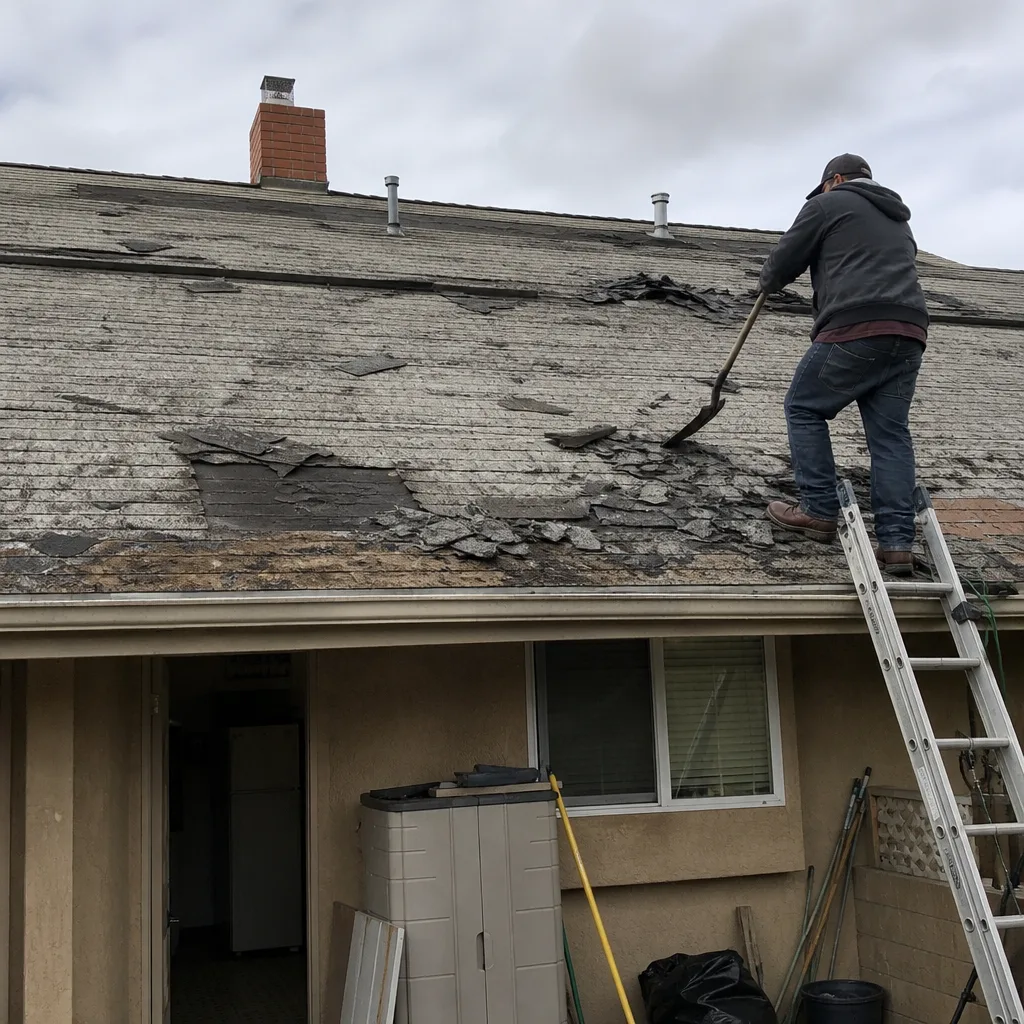 Before
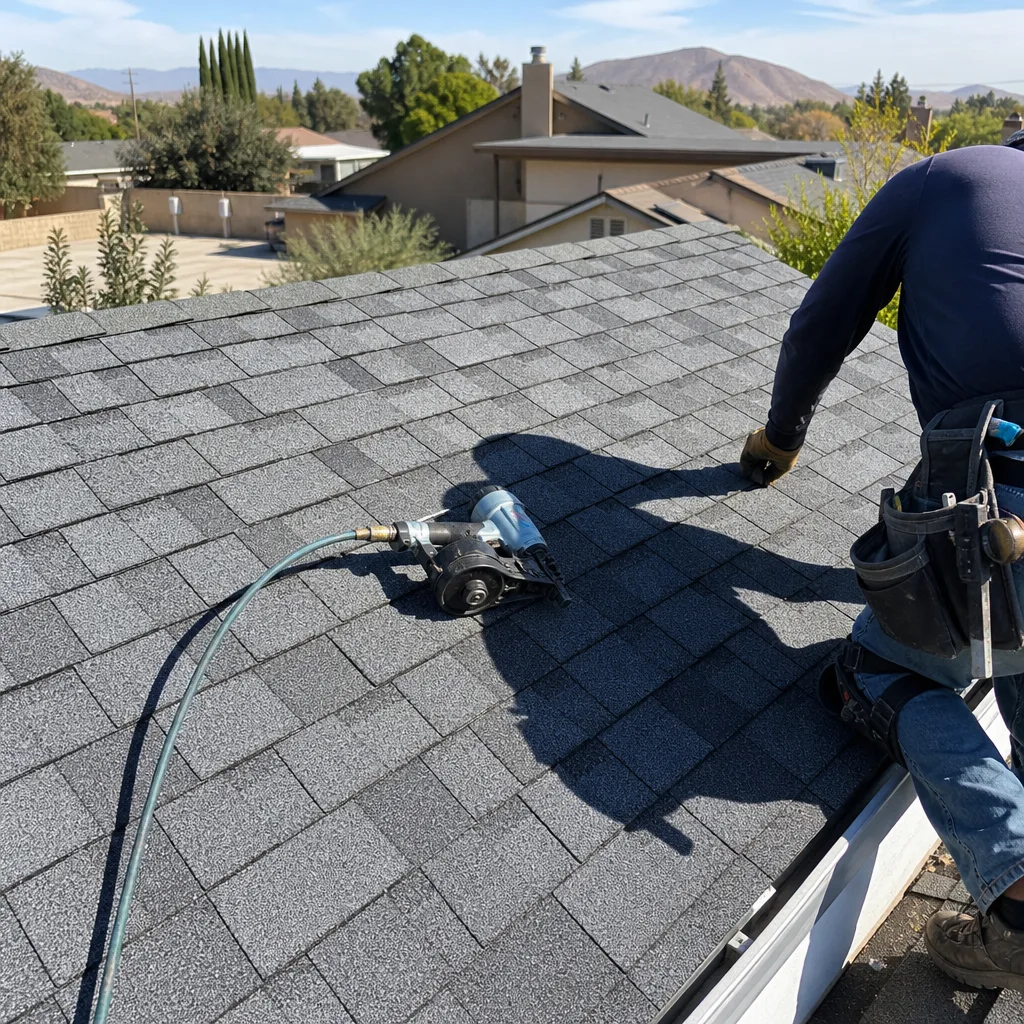 After
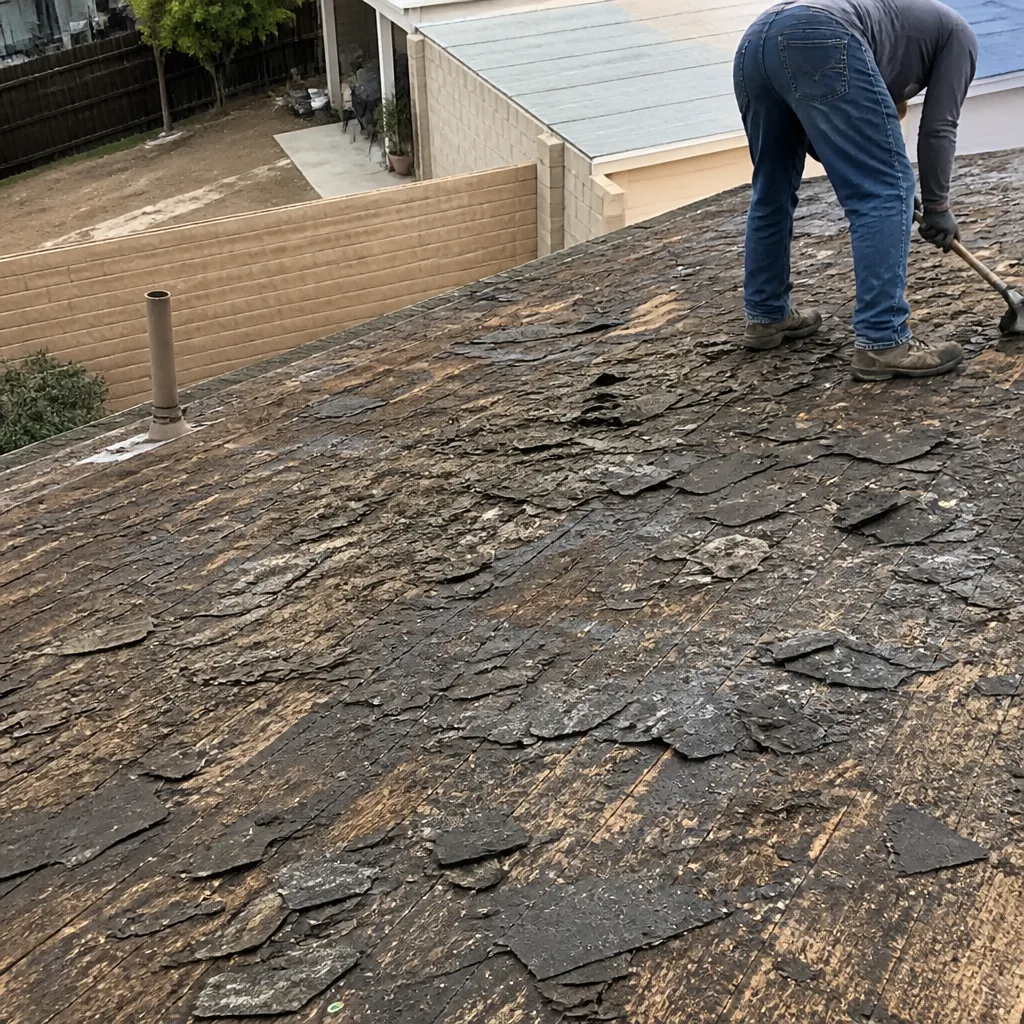 Before
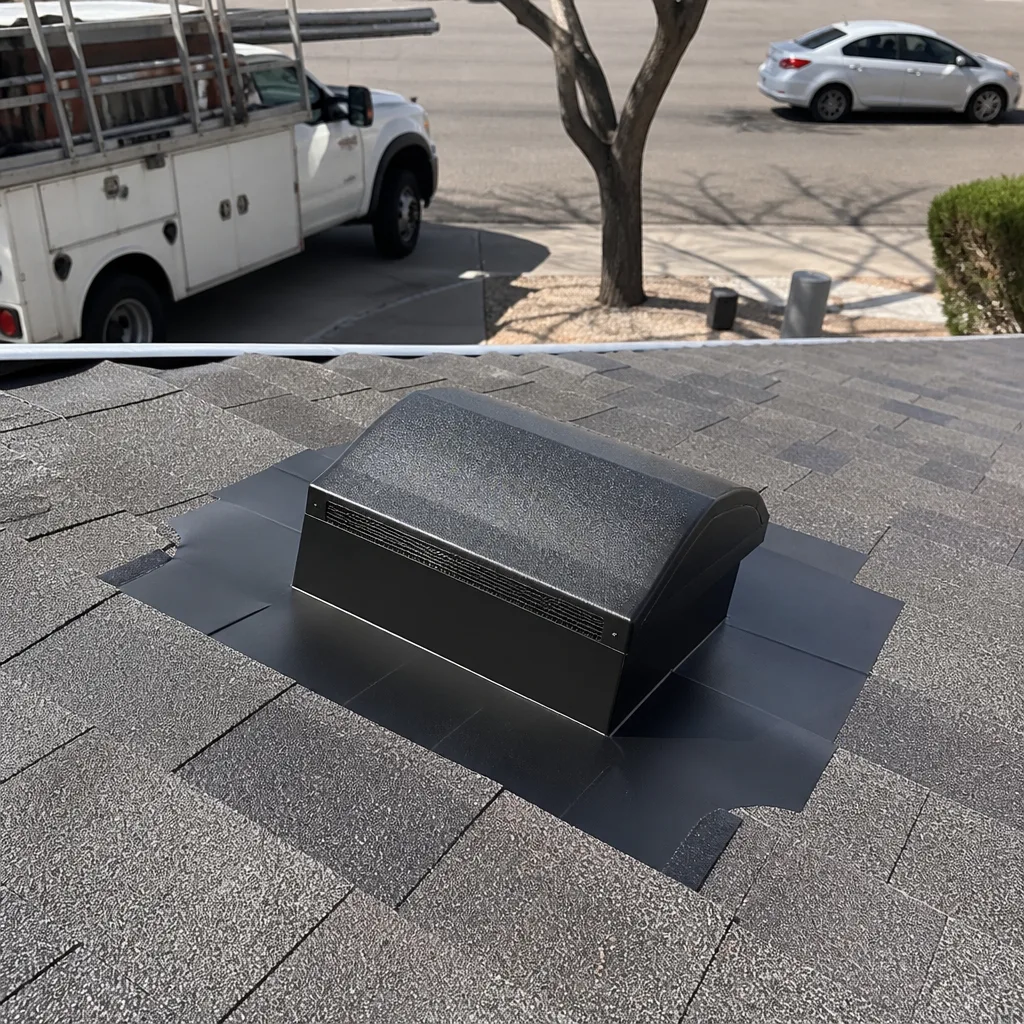 After
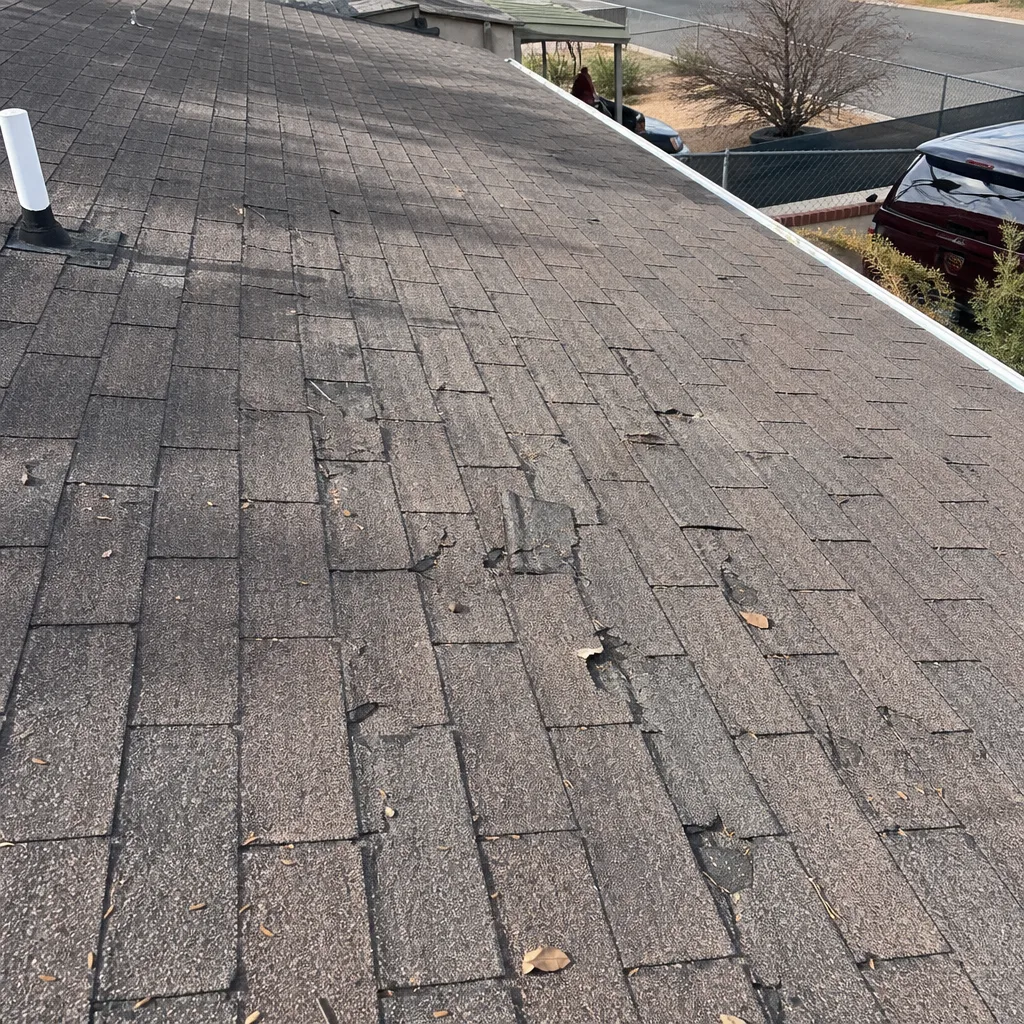 Before
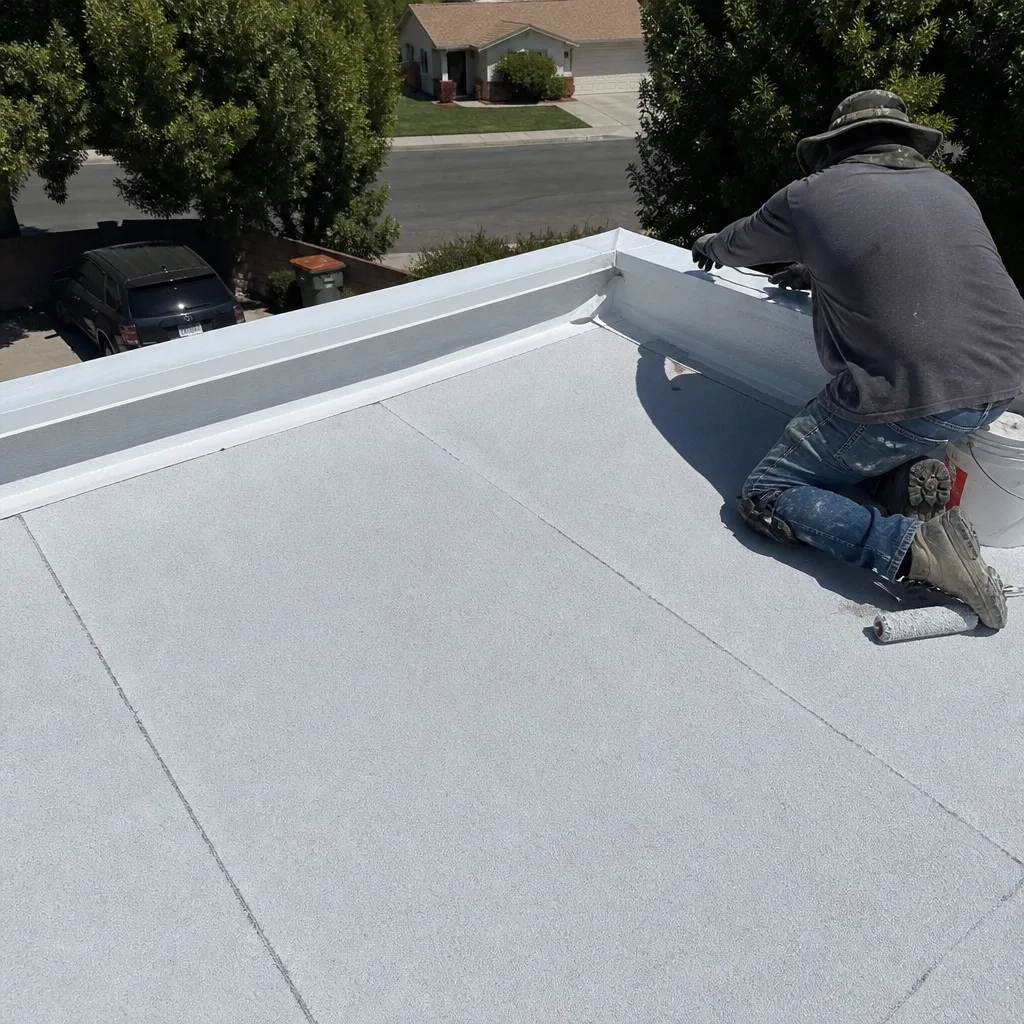 After