
Last updated October 31, 2026
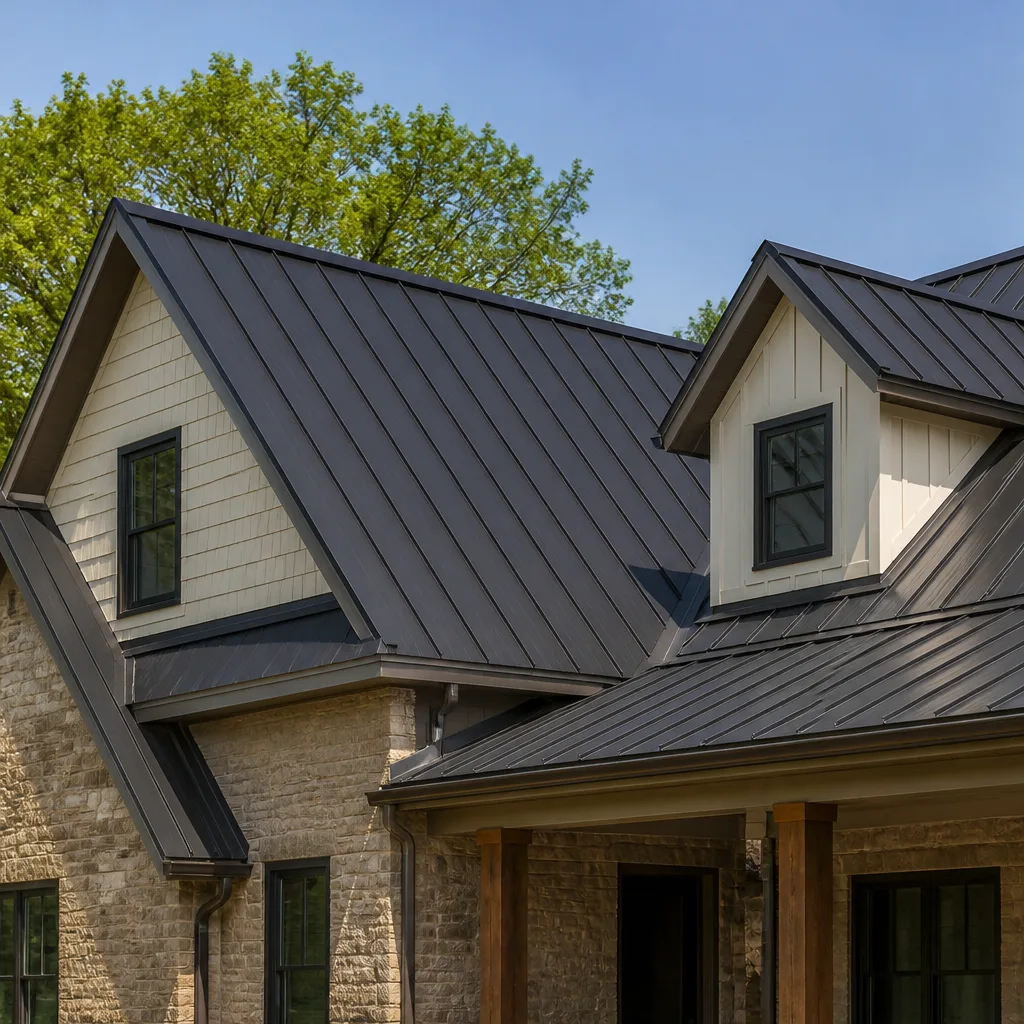 Metal roofing
 Architectural shingles
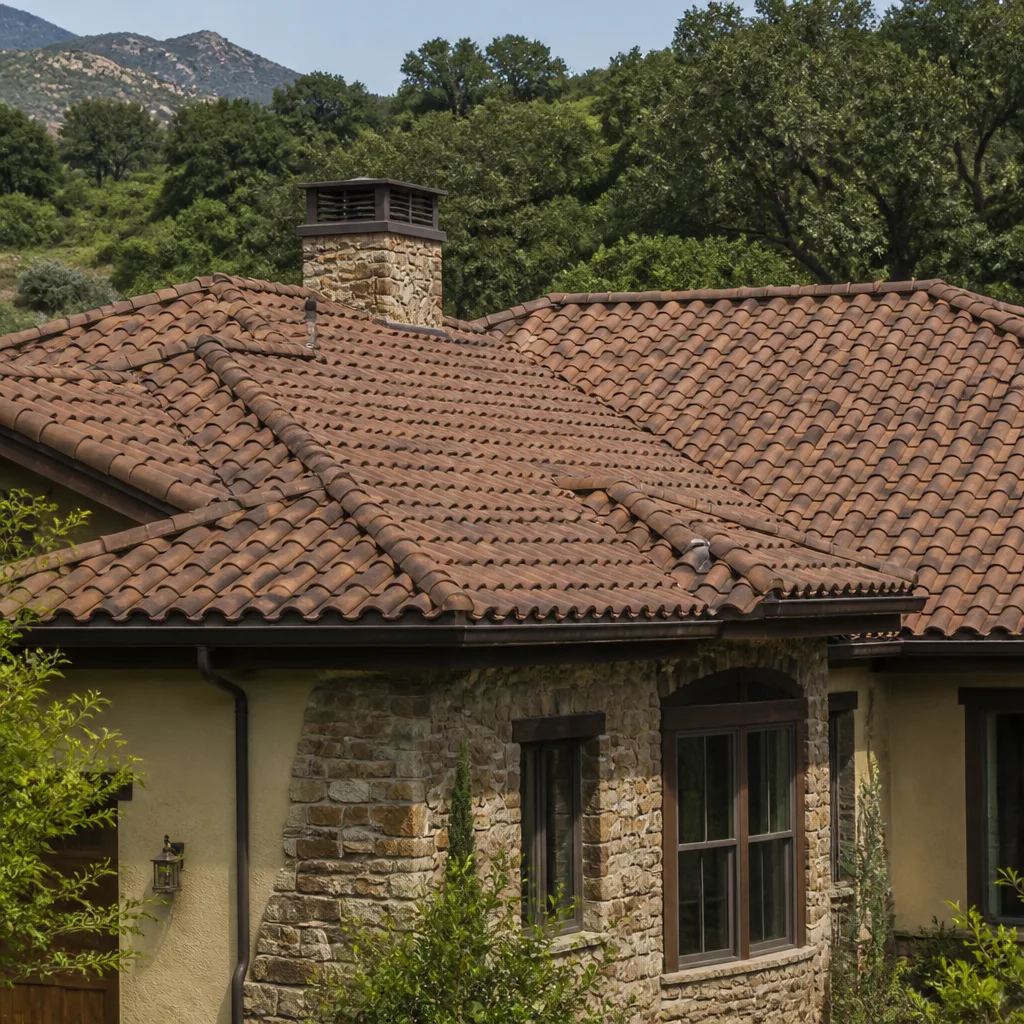 Tile roofing
 GAF
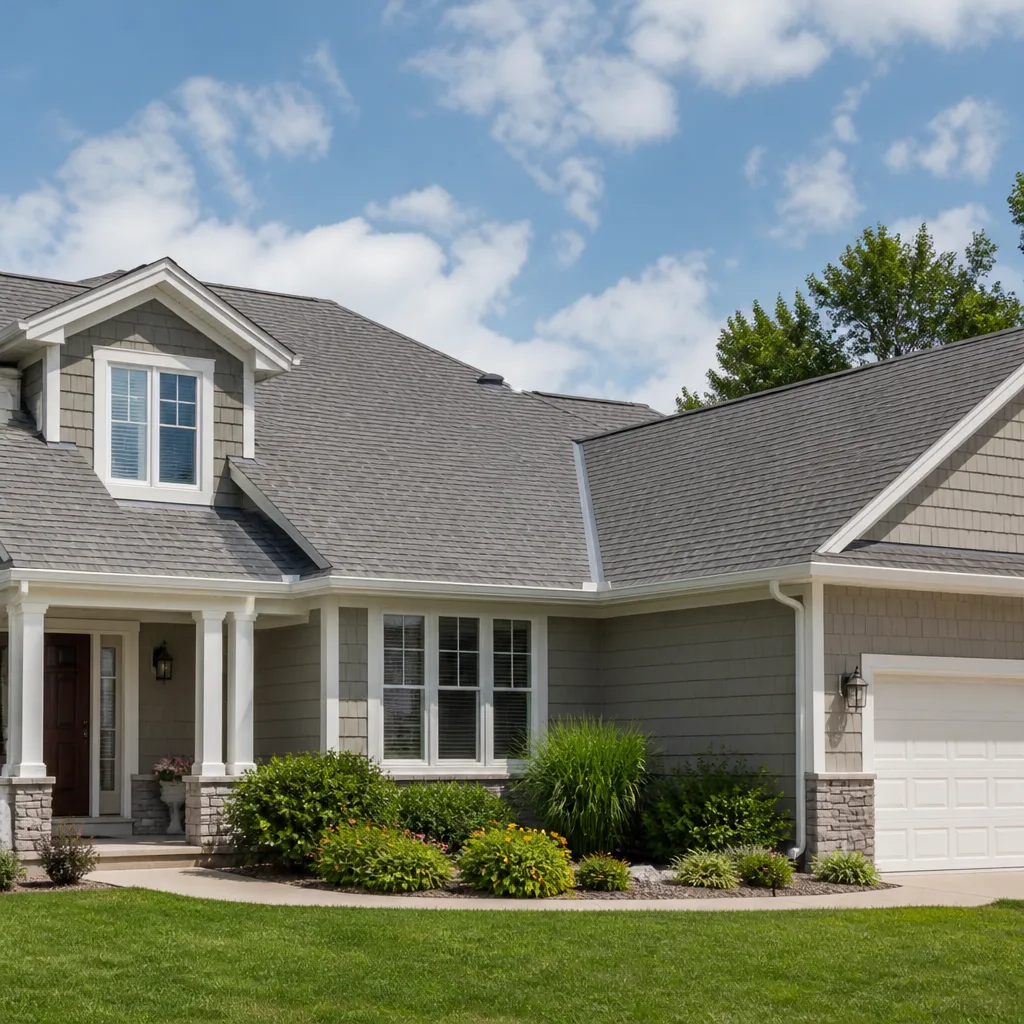 Owens Corning
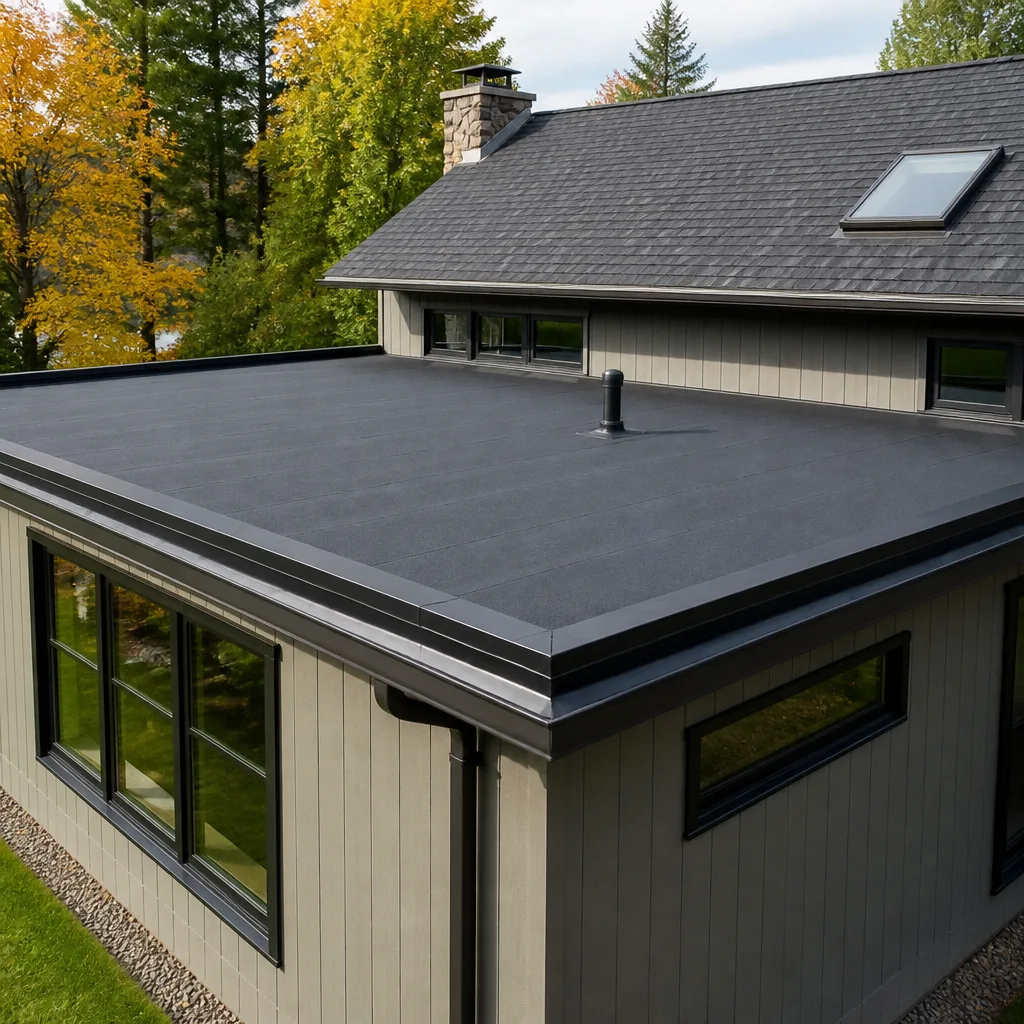 Flat & low-slope
Free roof inspection with deck photos before we talk money - GAF and Owens Corning certified installation
Roofing Warning Signs: A Victorville Homeowner’s Reference Guide
In humid climates, a leaking roof leaves water stains within days. In Victorville’s low-humidity High Desert air, the same leak can evaporate before it ever marks your ceiling. The water moves through the decking, starts the rot process, and vanishes into dry air before you see a single water spot. This guide is written for the specific failure patterns we see across Victorville, from Spring Valley Lake to the older tract homes off Bear Valley Road. You’ll learn what to look for, what urgency level each sign carries, and when a professional opinion is genuinely needed.
Styles & brands we work with
Quick Answer
The most common roofing warning signs in Victorville are UV oxidation color shift on shingles, thermal cracking along ridgelines, granule chalking that shows as a pale powder rather than gutter accumulation, and blistering from poor attic ventilation. In the High Desert, interior leaks frequently stay invisible for months because low humidity evaporates water before it stains drywall. If your roof is over 12 years old and you notice any of these exterior indicators, get a roof inspection done rather than waiting for a visible leak.
Table of Contents
- UV Oxidation: The Silent Shingle Killer
- Thermal Cracking and Ridge Line Fatigue
- Granule Loss That Looks Different in the Desert
- Blistering, Trapped Moisture, and Ventilation Failure
- Hidden Interior Damage: What To Check in the Attic
- Flat and Low-Slope Roof Warning Signs in Victorville Tract Homes
- Severity Triage: 48 Hours, 30 Days, or Next Inspection
- Common Mistakes to Avoid
- When to Call a Professional
- Frequently Asked Questions
- The Bottom Line
UV Oxidation: The Silent Shingle Killer
Victorville gets roughly 250 days of sun per year, and a large portion of that sun lands directly on your roof at elevation. UV radiation breaks down the asphalt compounds in shingles through a process called photo-oxidation. The first visible sign is a color shift. Shingles that started as a rich brown or charcoal will fade toward a chalky, washed-out version of the original color. This is not just cosmetic aging. The oxidation means the shingle’s protective oils are gone and the material is becoming brittle.
You’ll see this most clearly on the south-facing and west-facing slopes, which get the harshest afternoon sun in Victorville. Compare those slopes to the north-facing side of the same roof. A noticeable difference in color between exposures is a sign that UV oxidation is advancing unevenly, which means the sunny-side shingles are deteriorating faster. When those oxidized shingles lose enough flexibility, they crack. And once they crack, water gets through the top layer and into the mat underneath. From there, the decking is the next stop.
This is one reason we recommend a Roof Inspection in Victorville before any visible leak appears. A trained eye can measure oxidation severity and tell you how many more High Desert summers your roof can take. In our experience, an oxidized roof in Victorville is often 3 to 5 years closer to replacement than the homeowner assumes, because the cosmetic fade happens before the structural deterioration is obvious from the ground.
Thermal Cracking and Ridge Line Fatigue
The High Desert has one of the most aggressive daily temperature swings in Southern California. Summer days in Victorville routinely hit 100 degrees, and nights drop into the 60s. That’s a 40-degree swing, and it repeats for months. Shingles expand in the heat and contract in the cool, and after enough cycles the material fatigues the same way a paper clip breaks when you bend it back and forth. This is thermal cracking, and in Victorville it shows up on ridgelines first.
The ridge cap is the roof’s highest point and the most thermally stressed shingle on the structure. It sits in direct sun all day and radiates heat all night. When ridge shingles start to crack, you’ll see lengthwise splits running parallel to the ridge line. They often look like a seam opening up in the middle of the shingle. Field shingles crack too, but usually years later. Ridge cracking is the early warning that the field isn’t far behind.
Check the ridge caps on your home from the ground using binoculars, or better, have someone walk the roof who knows what they’re looking at. If you see three or more cracked ridge shingles, the thermal cycle has already done measurable damage. The fix may be as simple as replacing the ridge line, but that’s a decision an honest assessment should make, not a guess. A full Roof Repair in Victorville service call can address ridge damage before it spreads to the rest of the roof.
Granule Loss That Looks Different in the Desert
Coastal California roofing guides tell you to check your gutters for granule accumulation. In Victorville, that advice often fails because many homes don’t have gutters, and when they do, the dry wind blows the granules away before they ever collect. Instead, desert granule loss shows up as a fine, pale powder on the shingle surface and in the soil around your foundation. Run your hand over an older shingle section. If your palm comes away with a gritty, sand-like residue, that’s granule loss, and it’s further along than most homeowners realize.
Granules are the shingle’s UV shield. They block the sun’s radiation from reaching the asphalt mat underneath. As granules erode, the asphalt begins to cure too quickly, becoming brittle and prone to cracking. In Victorville, this process accelerates because the wind itself is abrasive. Spring windstorms carry fine dust and sand that physically scours shingle surfaces. The combination of UV oxidation and wind abrasion means High Desert roofs typically lose granules faster than comparable roofs in less exposed climates.
Look for bald spots on the shingle faces where the asphalt is visible and glinting in the sun. These are accelerated failure zones. When you see areas where the shingle’s color layer has worn away entirely, that roof section is no longer protected from the sun. The structural shingle mat is exposed, and the countdown to a leak has already started. This is a sign that deserves a professional assessment sooner rather than later, not a wait-and-see approach.
Blistering, Trapped Moisture, and Ventilation Failure
Blistering looks like small bubbles or raised spots on the shingle surface, usually a quarter-inch to an inch across. In humid climates, blisters are often moisture-driven. In Victorville, they more commonly point to a ventilation problem. Attics in Victorville homes trap heat, and without adequate intake and exhaust ventilation, that heat builds against the underside of the roof deck. The shingle’s asphalt layer softens from below, and gases released by the heating asphalt create blisters. Pop one, and you’ll find a pit underneath, which compromises the shingle’s waterproofing.
Poor attic ventilation is widespread in Victorville’s older housing stock. Homes built in the 1980s and early 1990s in neighborhoods around Hook and Mesa Linda Park often have undersized gable vents or soffit vents that have been painted over and blocked. The result is an attic that behaves like an oven in July. We have seen attic temperatures in Victorville exceed 150 degrees on summer afternoons when ventilation is inadequate. That heat cooks shingles from underneath even as the sun heats them from above.
There are two paths forward when blisters appear. First, address the ventilation so the rest of the roof isn’t being damaged by trapped heat. Second, evaluate whether the blistered shingles need replacement. If blisters are limited to a small area, spot repair may be viable. If they’re widespread across a slope, the roof section has aged prematurely and replacement is likely the honest recommendation. The key point is that blisters never appear without a reason, and in Victorville that reason is usually heat and airflow.
Hidden Interior Damage: What To Check in the Attic
Victorville’s low humidity masks interior roof leaks. In a humid climate, a roof leak produces water stains on the ceiling within 48 hours. In the High Desert, attic water can evaporate in hours, leaving behind no visible trace on the drywall. The result is a homeowner who genuinely does not know the roof is leaking until the decking has begun to delaminate or dark mold streaks appear on the attic sheathing weeks later. This is the most dangerous pattern we see, because the damage is cumulative and invisible during the early stages.
There are specific things to look for in your attic, even when no ceiling stain is present. Start with the sheathing. In Victorville, water-damaged decking often appears as dark, irregularly shaped stains that follow the seams between plywood sheets. The wood will look like coffee was spilled across it. Press the stained area with a screwdriver handle. If it gives, the delamination has started. Also check the underside of the roof for a white, chalky residue on the sheathing, which is mineral deposit left behind by evaporated water. If you see it, water has been moving through that area repeatedly.
Another signal is insulation that looks flattened or matted in specific spots. When water drips onto blown-in insulation, it compresses it, and even after drying, the insulation in that spot remains compressed. Pay attention to areas under roof penetrations: plumbing vents, attic access hatches, and HVAC vent boots. These are the most common leak points on Victorville roofs, and the leak can be small enough that the water evaporates before it reaches the ceiling. A Roof Inspection in Victorville includes an attic check specifically because so much of what ails High Desert roofs is invisible from outside and from below.
Flat and Low-Slope Roof Warning Signs in Victorville Tract Homes
Victorville has a substantial stock of homes with flat and low-slope roof sections, particularly in the tract housing built during the 1970s and 1980s expansion along Hesperia Road and around Victor Valley College. Flat roofs in the desert face challenges that pitched roofs don’t, and their warning signs are different. The most common is ponding: water that stands on the roof surface for more than 48 hours after rain. Ponding accelerates membrane deterioration at the waterline, and repeated ponding cycles can delaminate the membrane from the substrate beneath.
Look also for membrane fishmouthing. This is when the laps between membrane sheets begin to open up, creating a lip that resembles a fish’s open mouth. In Victorville’s heat, the asphalt compounds in built-up and modified bitumen roofing soften and lose their grip. Wind from the west catches the open laps and peels them back, and suddenly the water barrier is gone. Fishmouthing is regularly visible from the ground on single-story flat roof sections, and it appears most often on the west-facing edges where heat and wind combine.
Seam separation on single-ply membranes shows up as open gaps along welded seams. On a TPO or PVC roof, the seam is heat-welded; once it opens, water enters. In the Victorville sun, UV radiation breaks down the top layer of single-ply membranes, causing them to chalk just like shingles do. If you see seam lines that are pulling apart, or membrane corners curling at the roof edge, the waterproofing is compromised. These are issues that need assessment now, not at the next rain event, because a desert downpour moves fast and a flat roof with open seams gives water a direct path inside.
Severity Triage: 48 Hours, 30 Days, or Next Inspection
Not every roof warning sign is an emergency. Part of what makes this guide useful is the ability to sort signs into action categories. Here is a practical triage framework calibrated for Victorville’s climate and failure patterns.
Within 48 Hours
- Active water entry into the living space, even if it’s a small drip. Water inside the house means the roof barrier has failed. The leak will not self-heal, and in Victorville’s dry air, the absence of ongoing stains does not mean the leak has stopped.
- Missing shingles after a wind event. A missing shingle is an open hole in the weather barrier. The next High Desert wind event will lift the surrounding shingles and widen the damage.
- Any visible daylight coming through the attic sheathing. If you can see light, water is already getting in, and the decking is failing at that point.
- Flat roof membrane that has peeled back or fishmouthed significantly enough to expose the underlying felt. Exposed felt degrades rapidly under Victorville sun.
Within 30 Days
- Ridge cracking on five or more ridge shingles. The thermal cycle has done its work, and the ridge line will continue to fail through the next temperature swing.
- Blisters covering more than 15 percent of a single roof slope. This indicates a systemic ventilation or trapped-heat problem that will not stop on its own.
- Granule loss that has exposed bare asphalt on multiple shingles across the sun-facing slope. Those shingles have lost their UV protection and will deteriorate quickly.
- Fishmouthing or seam separation on a flat roof section that has not yet caused interior damage but is visibly opening.
At Next Scheduled Maintenance
- Uniform granule chalking without bare asphalt spots. This is normal UV aging in Victorville and should be monitored, not immediately alarmed over.
- Minor color shift on the south-facing slope only. Sun exposure causes this on every roof in the High Desert eventually; it’s worth noting and tracking, but not a same-month priority.
- Small areas of ponding that drain within 24 hours after rain. Functional, but worth fixing the drainage slope at the next reroof rather than as a standalone project.
Common Mistakes to Avoid
- Assuming no ceiling stain means no leak. In Victorville, attic water evaporates before it stains drywall. Check the attic, not just the ceilings.
- Using coastal California roofing checklists. Granule loss in Victorville doesn’t collect in gutters the way coastal guides describe. Look for chalking and bare asphalt instead.
- Ignoring ridge cap cracking because the field shingles still look fine. Thermal fatigue hits the ridge line first. Ridge cracking is the leading indicator, not a separate issue.
- Patching a blistered roof without addressing attic ventilation. Blisters are a symptom of trapped heat. The patch will hold, and new blisters will form adjacent to it within a year or two in Victorville’s summer heat.
- Treating all flat roof ponding the same. Ponding that dries in 24 hours is manageable. Ponding that lasts 48 hours or more is actively damaging the membrane, and the difference matters.
- Waiting for a visible leak before calling for an inspection. By the time water reaches the living space in a High Desert home, the decking underneath has often been getting wet off and on for weeks or months. The damage at that point is larger than the visible stain suggests.
When to Call a Professional
Call a roofing professional when any of the 48-hour signs appear. Also call when you see ridge cracking on multiple shingles, widespread blistering, bare asphalt from granule loss, or flat roof seam separation that’s visibly opening. These are not conditions that improve with time, and in Victorville’s climate, a summer of inaction can turn a $600 ridge repair into a full replacement. Oakmont Roof Repair offers the full scope of roofing work: inspection, repair, and replacement with material options from Atlas, IKO, and Boral, among others. You don’t need to know whether you need a repair or a replacement. You need someone who can tell you accurately. Oakmont Roof Repair offers free estimates in Victorville. Call (866) 942-0875 to schedule one.
Frequently Asked Questions
Look for color fading on the south-facing slope, granule chalking that leaves a pale powder on the shingle surface, and bare asphalt spots where the granules have worn away completely. If you can see visible shingle surface differences between slope exposures, UV oxidation has progressed, and the roof should be professionally evaluated.
Yes, and it happens regularly. Victorville’s low humidity causes attic water to evaporate before it penetrates the drywall. The leak can continue for weeks or months with no visible ceiling mark. Check your attic sheathing for dark staining, white mineral residue, and compressed insulation to detect hidden leaks. Schedule an inspection if you see any of these.
Thermal cracking appears as lengthwise splits in shingles, most often on the ridge cap first because the ridge gets the most direct sun and the largest daily temperature swing. The cracks run parallel to the ridge line and look like the shingle is splitting open. This is a sign that the thermal cycling has fatigued the material.
Blistering indicates a ventilation or trapped-heat problem, not necessarily a total roof failure. Small, localized blisters can sometimes be spot-repaired. Widespread blistering across a slope means the shingles have cooked from underneath, and replacement of that section is the realistic fix. Call (866) 942-0875 for an exact assessment.
Depends on the material and ventilation. A well-ventilated architectural shingle roof in Victorville can last 20 to 25 years. Poorly ventilated roofs in the same climate can fail in 12 to 15 years. The difference is usually attic airflow, which is why inspection should include a ventilation check, not just a surface scan.
Small, localized fishmouthing or seam separation without widespread membrane deterioration can often be patched. If the membrane is chalking heavily, the seams are opening in multiple places, or ponding has caused delamination, patching becomes a temporary fix on a failing surface. An honest inspection will tell you which situation you have. Estimates are free.
The Bottom Line
Victorville roofs fail differently than roofs in coastal California. Thermal cracking hits the ridge first. Granule loss appears as chalking instead of gutter buildup. Leaks hide in attics because the dry High Desert air evaporates the evidence before it reaches your ceiling. The owners who catch problems early are the ones who check their attics and their ridgelines, not just their ceilings and gutters. When you do spot a warning sign, act in proportion to its severity. Some signs watch-and-wait. Others need a professional opinion within a month at most. Know the difference, and you’ll spend less over the life of your roof. For a condition assessment without the upsell, start with a Roof Inspection in Victorville. If the news is a repair, Roof Repair in Victorville is a call away. And when it’s time, a Roof Replacement in Victorville with real material options beats locking yourself into whatever a single-brand installer happens to stock. The Oakmont Roof Repair home team works with seven major brands, including Atlas, IKO, and Boral, so the recommendation is based on your roof and your budget, not someone else’s inventory.
Written by the team at Oakmont Roof Repair, serving Victorville since 2013.
See the difference
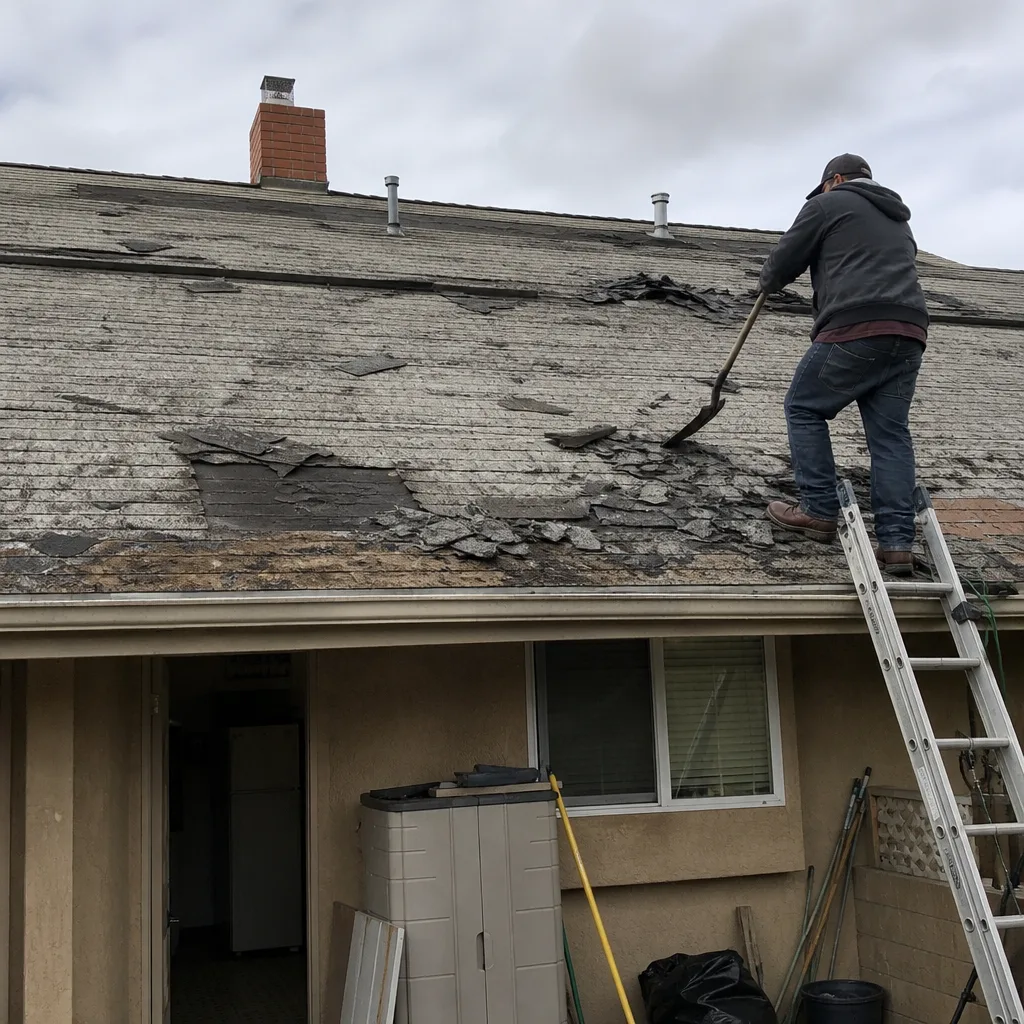 Before
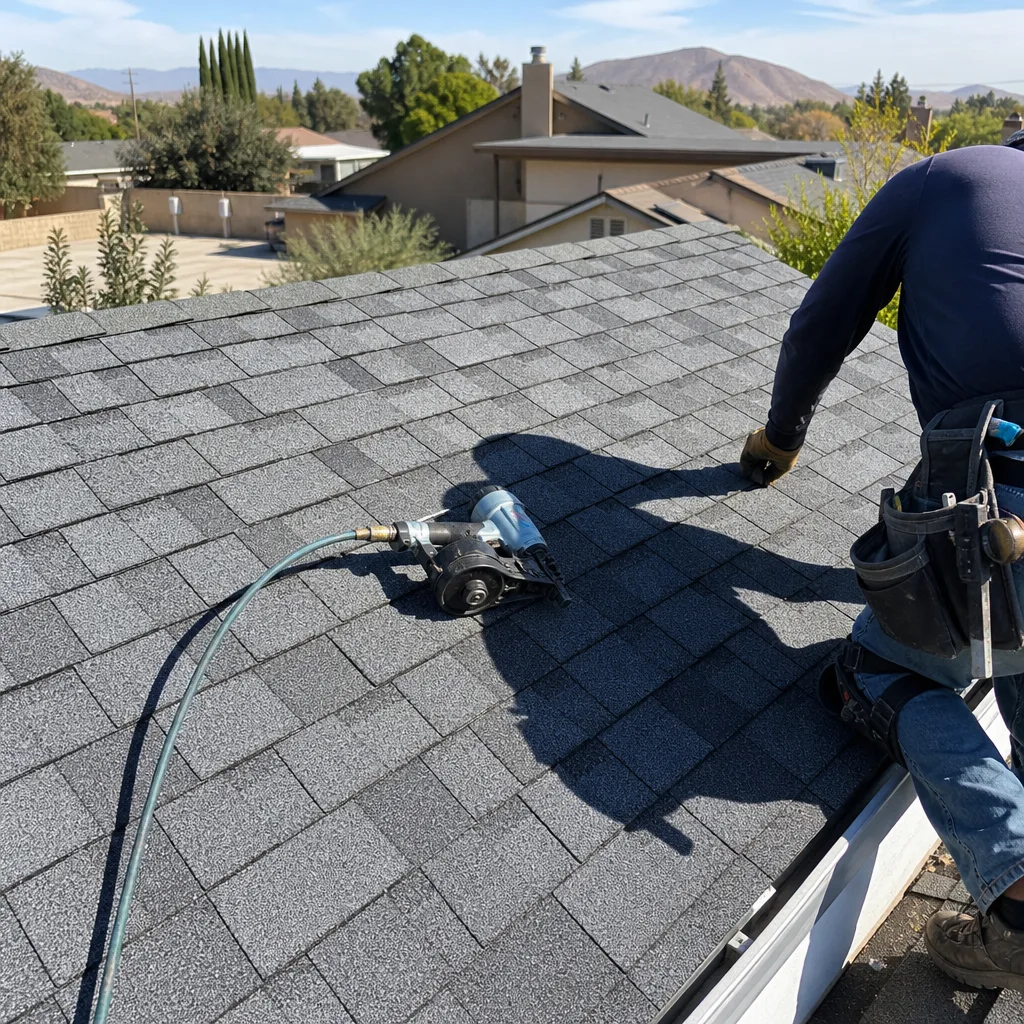 After
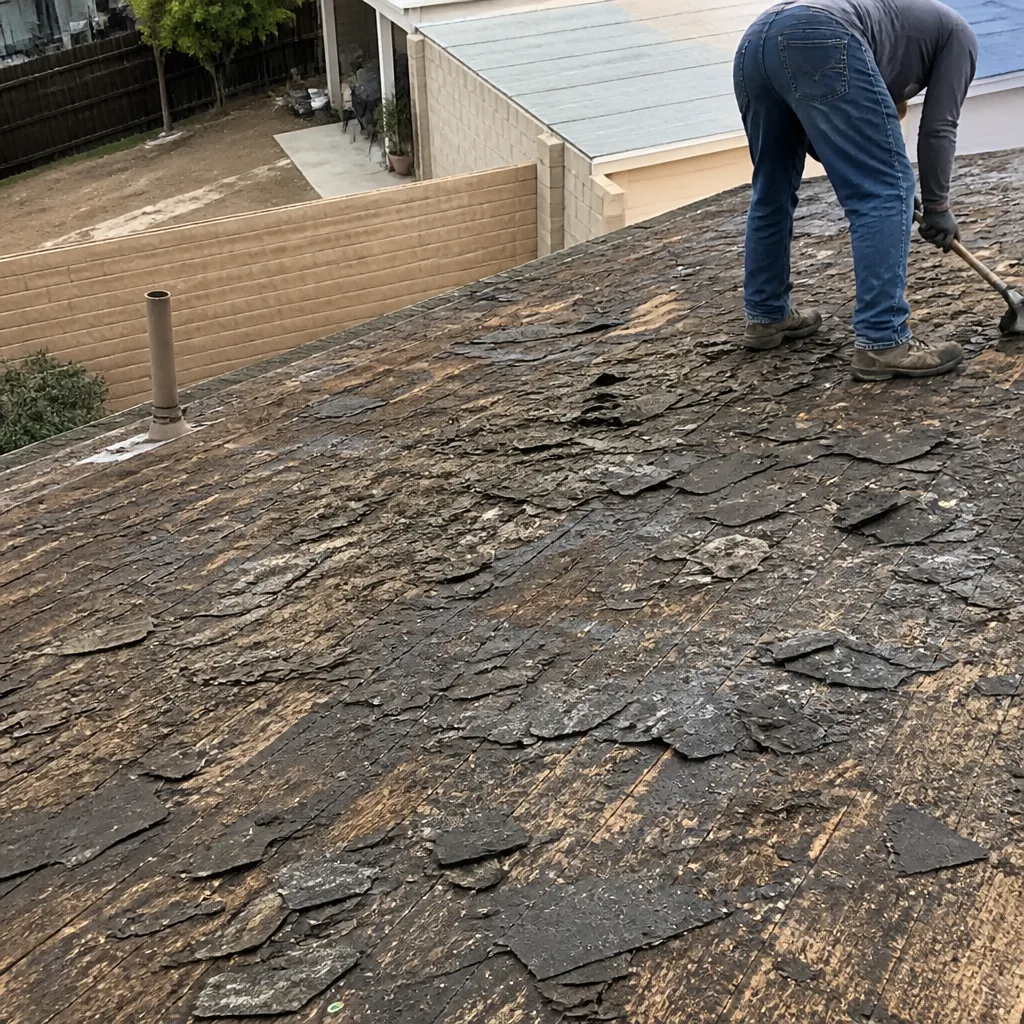 Before
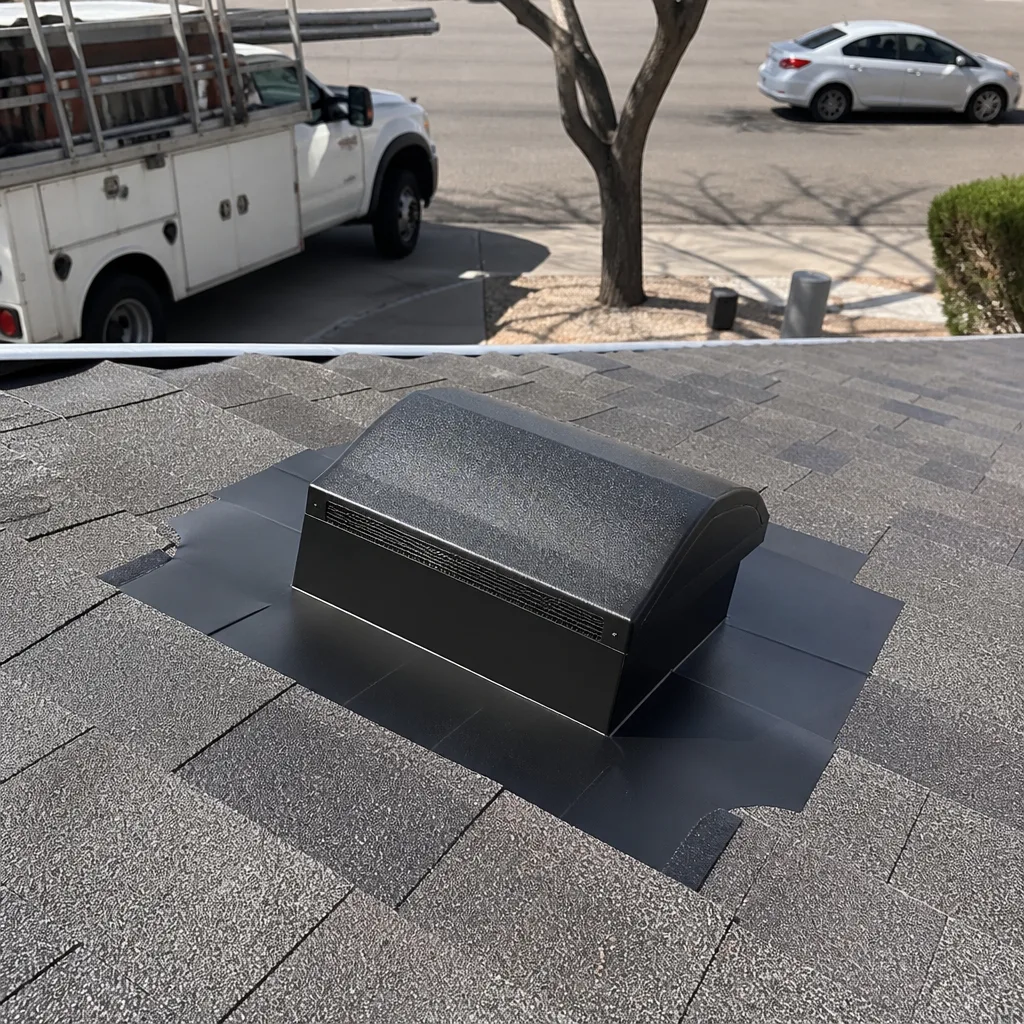 After
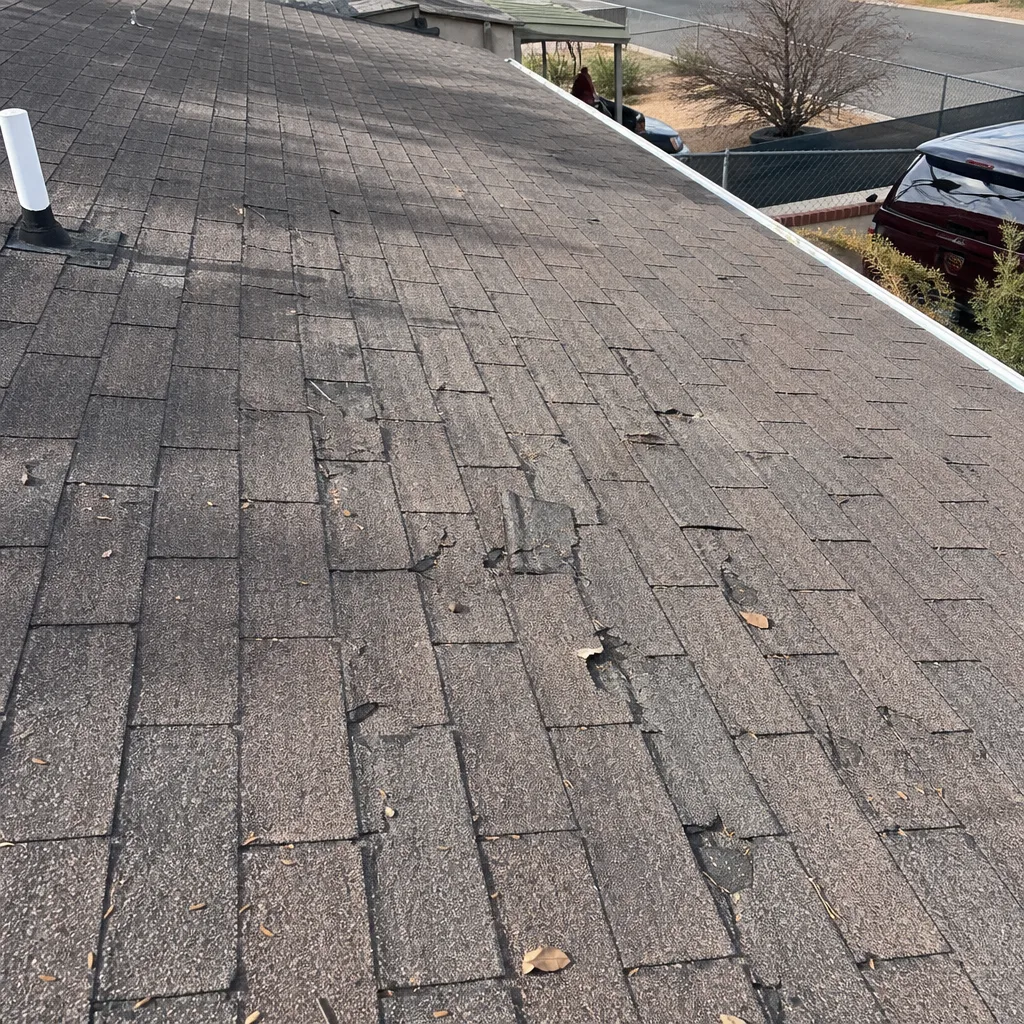 Before
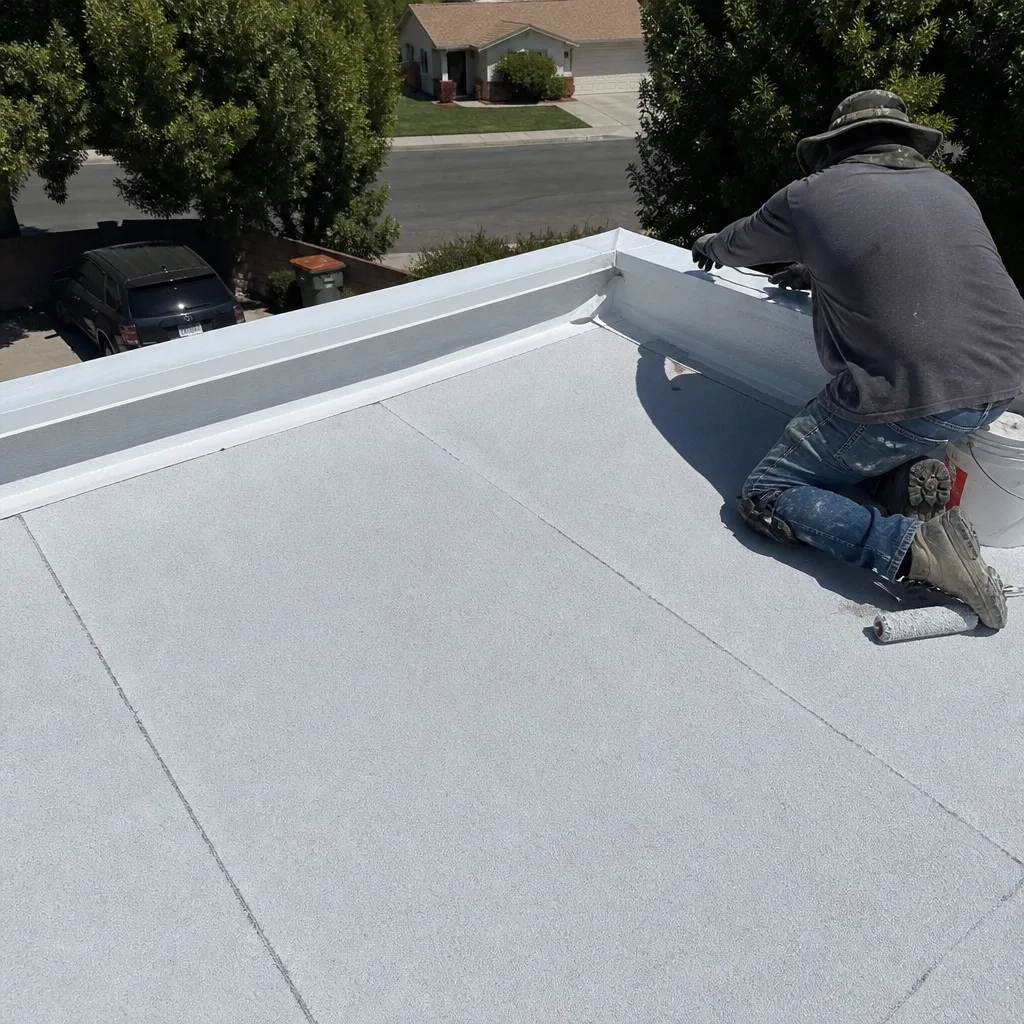 After