
Last updated October 31, 2026
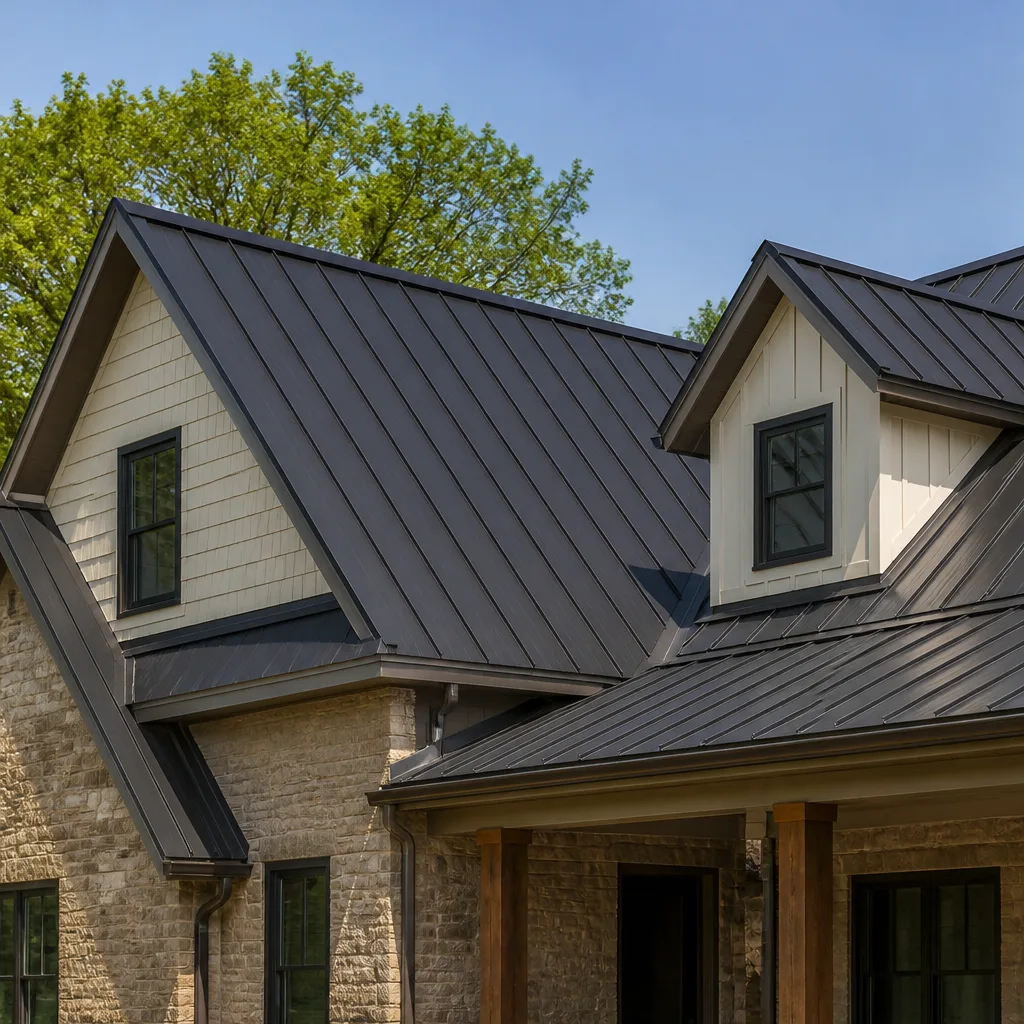 Metal roofing
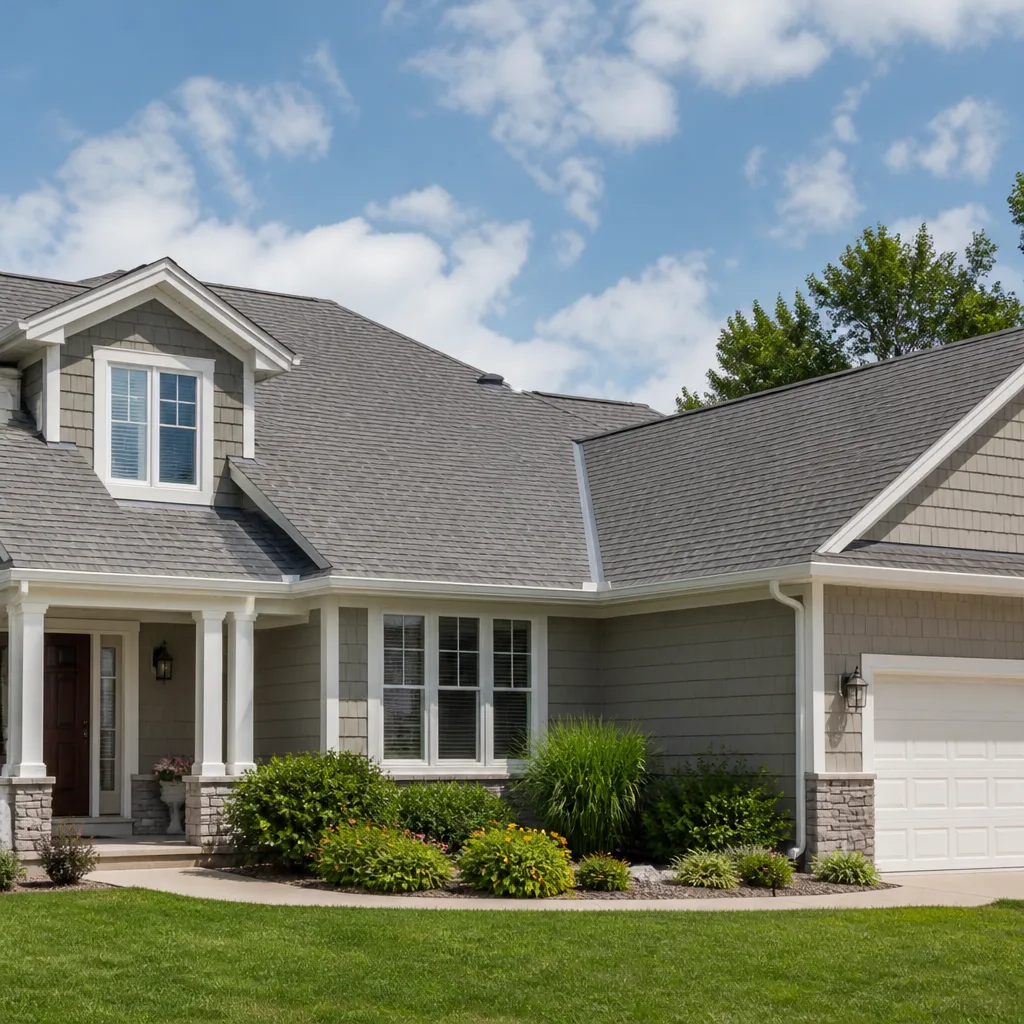
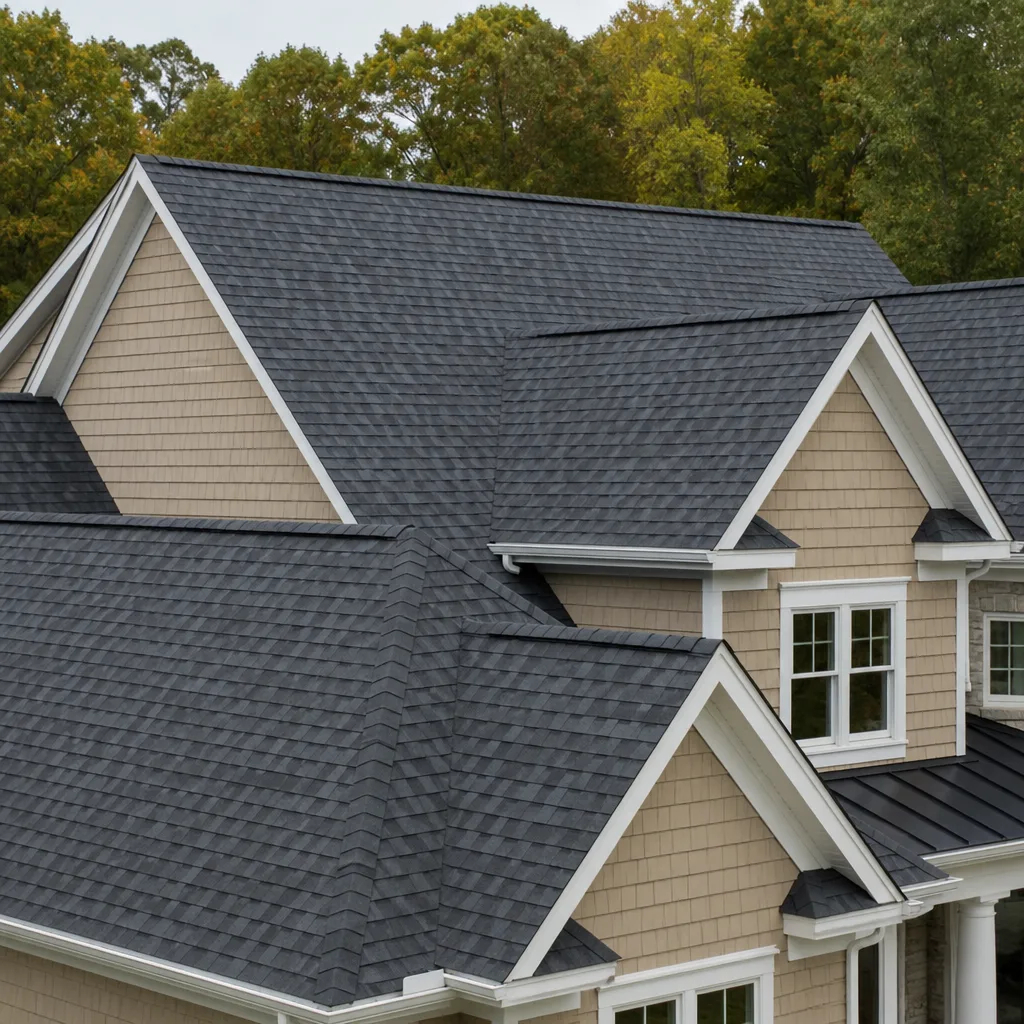 Architectural shingles
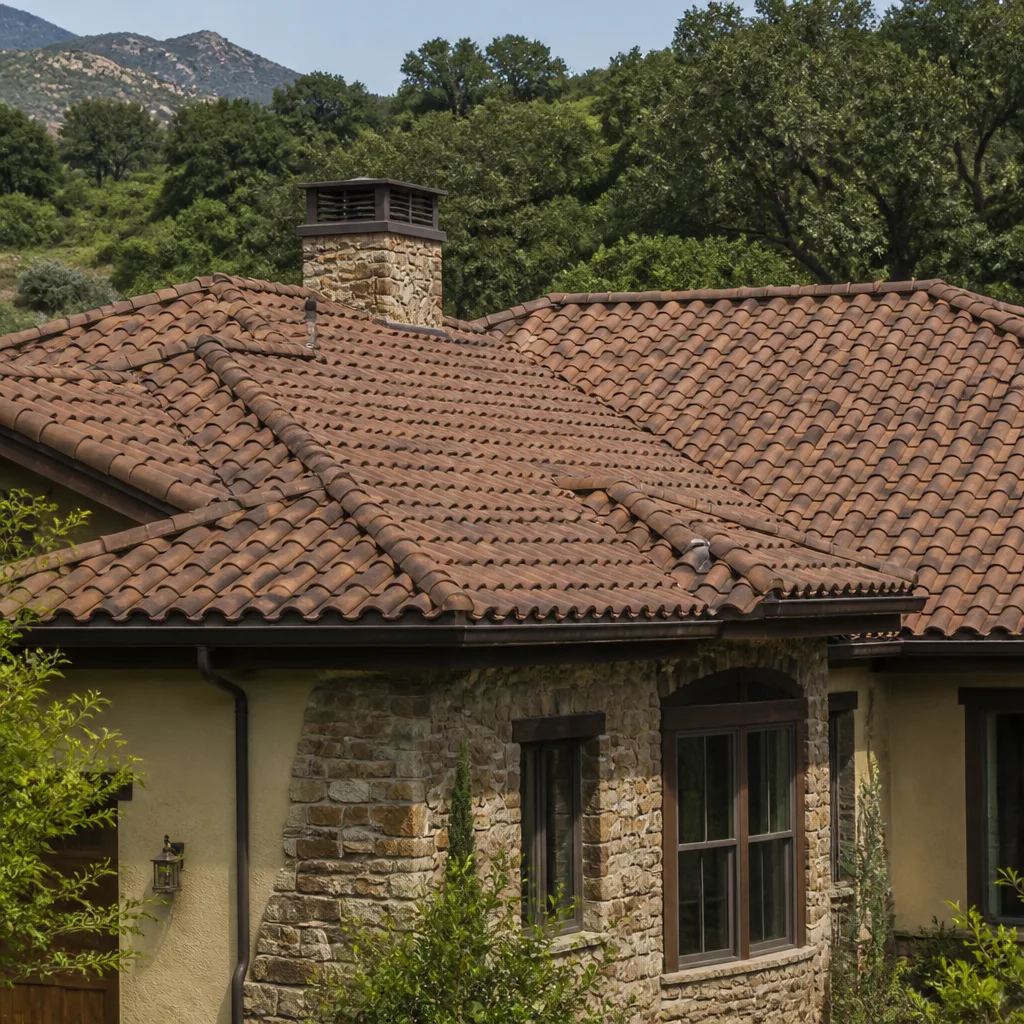 Tile roofing
 GAF
 Owens Corning
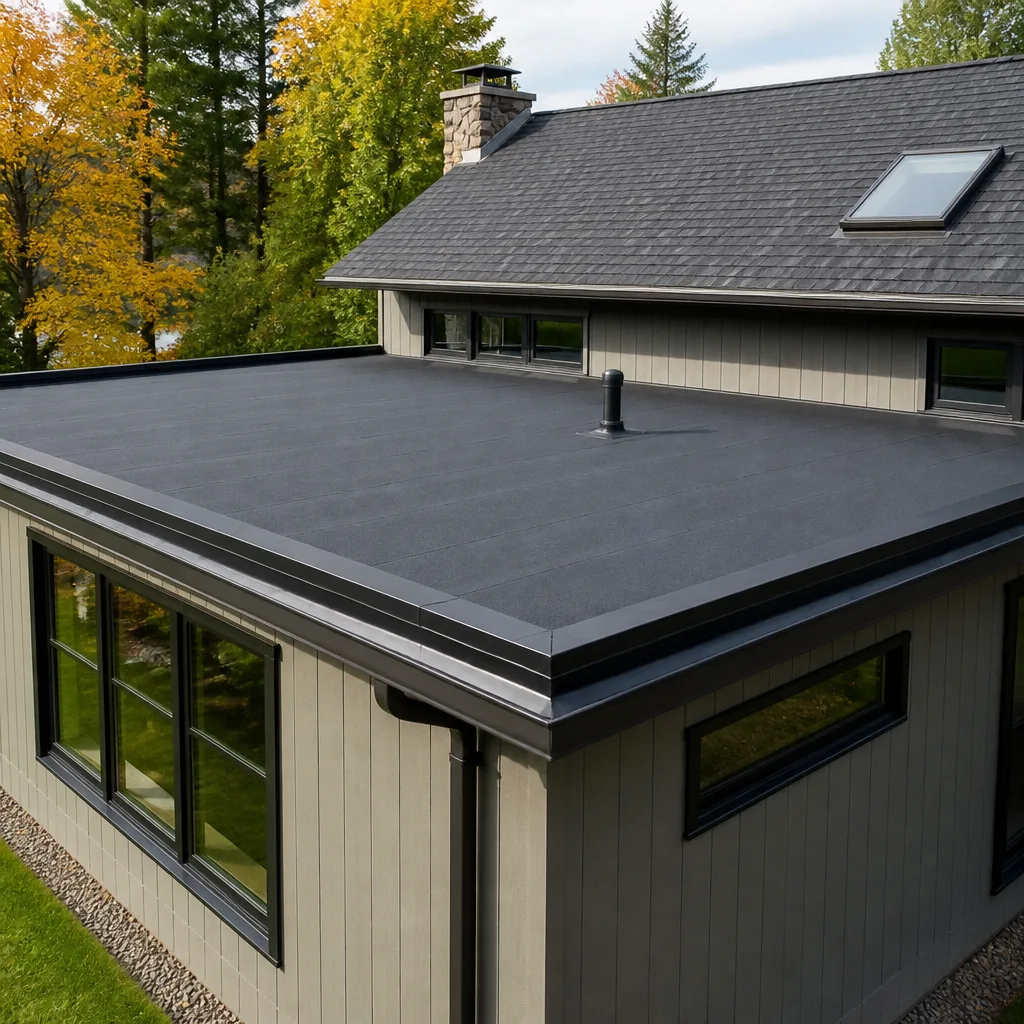 Flat & low-slope
Free roof inspection with deck photos before we talk money - GAF and Owens Corning certified installation
Seasonal Roofing Care for Victorville: Year-Round Homeowner’s Guide
Victorville averages fewer than 6 inches of rain annually. That number creates a false sense of security for homeowners, because the real story is how that rain arrives. Months of 100°F-plus days bake roof surfaces until they’re brittle, then the first storm system of the season hits that surface with concentrated intensity. A roof that survived three dry seasons without visible issues can fail in a single afternoon. This guide maps roof maintenance to the High Desert’s actual weather rhythms, not the generic four-season calendar, so you know what to check, when to check it, and what genuinely needs a professional’s eye.
Styles & brands we work with
Quick Answer
Seasonal roof care in Victorville means tracking four distinct High Desert patterns: UV-driven material degradation from May through September, thermal shock and storm damage from October through November, freeze-thaw cycles from December through February, and wind-driven debris during Santa Ana season from October through March. A twice-yearly inspection (late spring and early fall) plus targeted maintenance during each window will catch most issues before they become leaks, and it costs far less than the repairs that follow neglect.
Table of Contents
- Victorville’s Actual Damage Calendar: What Happens When
- UV Season (May – September): When the Sun Is the Enemy
- Thermal Shock (October – November): The First Rain Problem
- Freeze-Thaw Season (December – February): Elevation Edges Take the Hit
- Desert Attic Ventilation: The Problem Nobody Sees
- Debris Load Cycles: Joshua Tree Pods, Dust, and Eucalyptus Shedding
- Flat and Low-Slope Roofs: Preparing for the July – September Thunderstorm Window
- What “Doing Nothing in Summer” Actually Costs
- Common Mistakes to Avoid
- When to Call a Professional
- Frequently Asked Questions
- The Bottom Line
Victorville’s Actual Damage Calendar: What Happens When
Most roofing guides are written for climates with real winters and summer rain. Victorville doesn’t fit that mold. The High Desert operates on its own rhythm, and a maintenance schedule built around it catches problems that a generic calendar misses entirely. Here’s what the year actually looks like for your roof in Victorville.
The Four Seasons, High Desert Style
First, accept that the typical spring-summer-fall-winter framework has limited use here. What matters is what the roof actually experiences:
- May through September: UV oxidation window. Daily high temperatures frequently exceed 100°F. Asphalt shingle surface temperatures can run 50 – 70°F hotter than the air. The sun’s ultraviolet radiation breaks down the asphalt’s chemical binders day after day. This is silent, gradual damage.
- October through November: Thermal shock window. The season’s first significant rains hit roof surfaces that have spent four months expanding in heat. Rapid cooling causes material contraction. Shingles that were already UV-weakened crack at the seams. This is when marginal roofs fail suddenly.
- December through February: Freeze-thaw window. Victorville’s winter lows drop below freezing at night, particularly in the higher elevation runs toward the Baldy Mesa foothills and Spring Valley Lake edges. Water that has seeped into micro-cracks freezes and expands, widening those cracks each cycle. The damage compounds through the winter.
- October through March: Santa Ana wind window. Dry, gusty winds out of the northeast pick up dust, sand, and whatever debris has accumulated in the open desert. This debris scours roof surfaces, peels back loose flashing, and can lift shingle edges. Wind damage is rarely dramatic here; it’s incremental loosening that later shows up as leaks during the next rain event.
There’s also a fifth pattern worth noting: the summer thunderstorm window. Between late June and September, monsoonal moisture occasionally pushes up from the Gulf of California. These storms are brief but intense. They deliver more water in 30 minutes than the preceding three months combined. Drainage systems that have sat dry for half a year get tested by a sudden volume of water they may not be ready to handle.
Why This Calendar Matters
If you schedule roof inspections in spring and fall, the same rhythm as everywhere else, you’re checking at the wrong moments. Late spring puts you before the UV season’s full onslaught. Early fall puts you before the first rain. Those are good. But the most vulnerable period for a Victorville roof is right after the first significant rain event in October or November. That rain exposes every weak point that the summer sun created. An inspection timed for mid-to-late November, after that first rain, catches damage the moment it becomes visible.
Our team works on roof repair in Victorville throughout all four of these windows. The calls follow a predictable pattern: UV-season cracks in July and August, storm-water leaks in November, freeze-expansion issues in January, and wind-lifted shingles in February and March. The pattern repeats year after year because it’s driven by the climate, not by random chance.
UV Season (May – September): When the Sun Is the Enemy
In Victorville, the sun causes more roof damage over time than rain, wind, and freezing combined. That statement surprises people who think of roofing problems as water problems. But UV radiation is a water problem’s opening move. It degrades the waterproofing layer first, and then the first rain finishes the job.
What UV Actually Does to a Roof
Asphalt shingles contain oils and binders that keep them flexible enough to expand and contract without cracking. UV radiation breaks down these compounds at a molecular level. The shingle surface loses granule adhesion. The shingle substrate grows brittle. Over several seasons of High Desert sun, a shingle that once flexed easily becomes stiff enough to crack under foot pressure, hailstones, or thermal contraction. Once cracked, water has an open path to the underlayment and decking.
The math is worse here than in coastal climates. A shingle rated for 30 years in moderate conditions may only deliver 18 – 22 in uninterrupted desert sun. The rating assumes a far kinder solar environment than what Victorville actually delivers.
What to Check During UV Season
- Granule loss: Look in the gutters. If you see a consistent layer of colored granules accumulating, the shingles are shedding their protective surface. Granule loss accelerates as the binder oils oxidize. Some loss is normal early in a roof’s life; heavy continuous loss is a warning sign.
- Surface blistering: Air pockets and moisture trapped beneath the shingle surface expand under heat and form visible blisters. These are most common on south-facing and west-facing slopes, especially on dark-colored shingles. Blisters that remain closed are cosmetic; blisters that pop open create entry points for water.
- Curling and cupping: As shingles lose flexibility, their edges lift. Curling starts at corners and spreads inward. Shingles that have curled enough to cast a visible shadow show UV damage well underway.
- Cracked or split shingles: Brittle shingles crack along the grain lines. These cracks are often hairline-fine and invisible from the ground. A roof inspection from a ladder or the roof surface itself is the only reliable way to find them.
What to Do in Response
Replace individual damaged shingles promptly during the summer months. A single cracked shingle is a $200 repair in July; by November it can become a water-damage claim affecting underlayment and decking. If granule loss is widespread across more than a third of the roof surface, begin planning for a full roof replacement in Victorville within the next one to three seasons. The sooner you plan, the more time you have to evaluate material options across the full range of what’s available, rather than making a rushed decision when a leak forces it.
We stock and install shingles from CertainTeed, Owens Corning, and Atlas, among others. When UV season exposes widespread damage, we typically present homeowners with two or three material options at different price points. What we’ve observed in the High Desert is that shingle selection matters more here than in most climates. Some of the value-tier materials deteriorate measurably faster under sustained 100°F-plus exposure. The premium lines are engineered for higher solar reflectance and better granule adhesion, which translates directly to more seasons of service in Victorville conditions.
Thermal Shock (October – November): The First Rain Problem
The first significant rain of the fall season in Victorville usually arrives in October or November. It’s the most dangerous water event of the year for roofs that have been aging in summer heat. Here’s why: the roof surface temperature drops rapidly, sometimes 60°F or more within a few minutes. The roofing material contracts at a different rate than the substrate beneath it. That differential movement is called thermal shock, and it’s the test that reveals which shingles the summer sun has already compromised.
How Thermal Shock Causes Leaks
Think about what happens to a rubber band that’s been left in the sun for years, then suddenly stretched. It doesn’t stretch; it snaps. Roofing materials behave similarly. During the summer, shingles expand and the asphalt binder remains partially pliable in the heat. But once UV oxidation has progressed, that pliability is gone. The shingles are stiff. When the first rain hits, the rapid cooling causes contraction, and the stiff shingles can’t flex to accommodate it. They crack. Hairline fractures from the summer open up. Flashing points where different materials meet rooflines, chimneys, skylights, vents – separate under the uneven contraction force.
The Window That Matters Most
Mid-October through late November is the most educational period for a Victorville homeowner. The first storm of the season tells you more about your roof’s true condition than any other single event. If your roof survives the first rain without a leak, that doesn’t mean you’re safe for the winter. It means you survived round one. But if you do get a leak, that first storm showed you exactly where your weak points are.
We recommend a roof inspection in Victorville within two to three weeks after the first significant rainfall of the fall. No rush, no emergency. Just a deliberate check of what that rain exposed. The inspection looks for:
- Water stains appearing on ceilings or in attic spaces
- Lifted or separated shingle edges, particularly along ridges and hips
- Flashing separations at penetrations and roof-to-wall transitions
- Granule accumulations in valleys and at downspout outlets
- Evidence of water migration under the shingle field
Thermal shock is also the season when we get calls about leaks that appear far from the actual damage point. Water enters at a cracked shingle near the ridge and travels along the underlayment until it pools at a low spot and stains the ceiling in a different room. Figuring out rooftop water migration patterns is exactly the kind of thing a dedicated roofing specialist is trained to do. A general contractor who does roofing on the side may not spend the time tracing the path; they’ll fix the visible symptom and move on. When water damage reappears later, you’ll be paying twice.
Oakmont Roof Repair handles the full lifecycle here. The same inspections that identify post-rain damage can be converted directly into a repair scope with line-item pricing. No need to bring in a second company to re-diagnose what we already found.
Freeze-Thaw Season (December – February): Elevation Edges Take the Hit
Victorville’s winter lows regularly drop below freezing overnight, particularly in the higher-elevation neighborhoods and outlying areas. Spring Valley Lake edges, the Baldy Mesa corridor, and parts of north Victorville near the Mojave River see more freeze cycles than the central city. Each cycle works like a slow pump: water seeps into micro-cracks during the day, freezes and expands overnight by roughly 9% in volume, then thaws the next day and leaves the crack slightly wider. Repeat this 40 to 60 times over a winter and hairline cracks become visible gaps.
Where Freeze-Thaw Hits First
The freeze-thaw threat concentrates at points where water lingers. Flat and low-slope roof sections that don’t drain completely reset the cycle every time. Shingle butt joints that have already lost granule coverage provide capillary paths for moisture. Metal flashing edges that have separated from the shingle surface allow water to sit between materials. Valley sections where leaf debris has accumulated hold moisture against the roof surface for days after any rain.
Asphalt shingles perform reasonably well through freeze-thaw cycles when they’re still flexible. The problem is that Victorville’s summer sun has already consumed much of that flexibility by the time winter arrives. The combination of UV degradation followed by freeze-thaw cycling is what finishes off many roofs here. Neither factor alone is decisive; together they’re relentless.
What to Do in Winter
- Inspect after each hard freeze event: A hard freeze followed by a sunny thaw is the pattern that causes the most movement. Check south-facing slopes first; they experience the widest temperature swings.
- Keep roof surfaces clear of debris: Debris traps moisture against the roof surface. In winter, that trapped moisture becomes a freeze-thaw agent. Clear leaves, Joshua tree seed pods, and wind-blown dust after the first major Santa Ana event each season, then again in January.
- Address visible cracks immediately: A crack that appears during October or November will be noticeably wider by February if left alone. Winter is not the ideal season for full roof replacement in Victorville, but targeted repairs are perfectly viable and worth doing promptly.
- Monitor attic condensation: Cold exterior air and warm interior air meeting at the attic boundary creates condensation on the underside of the roof deck. Over a winter, enough condensation can develop to wet insulation and foster mold growth. Proper attic ventilation prevents this; we cover that in detail below.
If you’re at an elevation edge in Victorville where winter lows are consistently colder than the valley floor, plan your inspection rhythm accordingly. A roof that’s been marginal for 18 months can survive a mild winter and fail during a colder one. The freeze-thaw mechanism is cumulative, and the damage it creates is often invisible until the following fall’s first rain reveals the leaks.
Desert Attic Ventilation: The Problem Nobody Sees
In Victorville, the most consequential roof health factor that homeowners never check is attic ventilation. It’s not visible from the ground. It doesn’t leak. It doesn’t make noise. But inadequate ventilation heats shingles from the underside, compounding the sun’s heat from above, and it shortens a roof’s service life by years. Roofing manufacturers have become increasingly explicit about this in their warranty documentation; insufficient ventilation voids many shingle warranties.
What Inadequate Ventilation Does to a Desert Roof
Attic spaces trap heat. On a 100°F day, an unventilated attic can reach 140 – 160°F. That heat radiates down through the roof deck and into the underside of the shingle. The shingle now has two heat sources working on it: direct solar radiation on top and trapped attic heat below. The result is a surface temperature that runs significantly hotter than it would with proper airflow, and every extra degree above the shingle’s rated tolerance accelerates the oxidation that breaks down the asphalt binder. You won’t see the damage from the street. The shingles will simply age out faster than rated, and one day you’ll notice granule loss and brittleness that seem ahead of schedule for the roof’s age.
How to Check Ventilation Without Getting on the Roof
- Feel the ceiling on a hot afternoon: In summer, place your hand on the ceiling directly beneath the attic space. It shouldn’t be hot. Warm is normal; hot means the attic is holding heat and radiating it into the house.
- Look at your cooling bill over the summer: A well-ventilated attic reduces the cooling load on your AC system. If your summer electric bills have been climbing while your usage patterns stay constant, trapped attic heat may be contributing.
- Check the attic after a cold winter night: If you see condensation on the underside of the roof deck or on the insulation, moist air is trapped. That condensation eventually causes decking rot and mold.
- Count your vents: A balanced system needs intake vents (typically in the eaves or soffits) and exhaust vents (ridge, attic fan, or canister vents near the top). If you only see one or the other, airflow is incomplete.
Why This Matters More in the High Desert Than It Does Elsewhere
In coastal climates, ventilation matters for moisture control. In Victorville, it matters for heat control, and the exposure is greater. The Mojave Desert solar load is among the highest in the contiguous United States. A roof that might last 25 years in Los Angeles with marginal ventilation will struggle to reach 20 in Victorville with the same airflow. We’ve inspected roofs in central Victorville that showed accelerated granule loss and shingle brittleness at the 12-year mark, primarily because the attic space had insufficient exhaust capacity. The shingles weren’t defective; the ventilation was simply inadequate for the heat load.
This is also a material-consideration point. When we present replacement options, we often discuss the ventilation system alongside the shingle choice. Owens Corning and CertainTeed publish ventilation requirements for their shingle lines. Matching the ventilation system to the material spec is part of a proper roof replacement in this climate. A cheaper shingle with excellent ventilation will often outperform a premium shingle with poor ventilation. The system matters as much as the parts.
Debris Load Cycles: Joshua Tree Pods, Dust, and Eucalyptus Shedding
Every climate produces its own debris mix, and debris is the substrate on which water damage grows. It clogs drainage, traps moisture against roof surfaces, scratches and scours materials during wind events, and hides developing problems from visual inspection. In Victorville, the debris load has three distinct sources and three distinct seasonal patterns.
Joshua Tree Seed Pods and Desert Flora
The western Joshua tree drops its seed pods primarily from late summer through fall. The pods are lightweight, carry well in wind, and accumulate specifically in roof valleys and at gutter corners where water flow changes direction. They don’t decompose quickly the way leaves do. They sit, dry out, and form a mat that blocks water flow. The problem gets compounded when a wind event adds sand and dust on top of the pod layer. The result is a compacted debris mat that water cannot move through. Valleys that are clear in July can be fully blocked by October.
Dust Storms and Blowing Sand
Victorville’s position in the High Desert means frequent wind events during the Santa Ana season and beyond. Wind-driven sand acts like a mild abrasive on roof surfaces, particularly on shingle edges and flashing. The effect is cumulative and slow, but it matters. Sand also fills gutter systems gradually. A gutter that has a thin layer of sand in the bottom performs normally. Once that layer deepens to an inch or two, each rain event turns it into a heavy slurry that sags the gutter and backs water up under the roofline. Regular gutter cleaning is not cosmetic in this climate; it’s functional roof protection.
Eucalyptus and Ornamental Trees in Older Neighborhoods
Several of Victorville’s older neighborhoods, particularly those developed in the 1960s and 1970s near the central city, have mature eucalyptus and ornamental trees. Eucalyptus sheds year-round but concentrates its heavier drop in the fall and early winter. The leaves are heavy, waxy, and slow to break down. They form an almost waterproof layer when they accumulate in valleys and behind chimneys. They also create a fire-ladder concern: accumulated eucalyptus litter on a roof makes the structure more vulnerable during any wind-blown ember event. In the High Desert, where the vegetation mix already carries significant fire risk, keeping the roof clear of dense tree litter is part of responsible maintenance.
The Debris Maintenance Rhythm That Actually Works
- Late September or early October: Schedule a gutter cleaning and valley clearing to remove summer dust deposits and the first Joshua tree pod drop before the rainy season begins. This is the most important single debris maintenance action of the year.
- After the first major Santa Ana wind event: Do a quick visual check of the roof and gutters. Wind events redistribute whatever debris has accumulated and often deposit fresh material directly into drainage paths.
- January: A second gutter check, particularly if you have eucalyptus or ornamental trees. The fall shedding cycle creates a second debris peak that coincides with the later Santa Ana winds.
- After any significant thunderstorm: Summer thunderstorms move debris suddenly. Downspouts are where blockages show up first.
We include debris assessment as a standard part of every roof inspection in Victorville. It’s a five-minute check during an inspection, but it catches the drainage problems that create 80% of the water damage we see on flat and low-slope sections.
Flat and Low-Slope Roofs: Preparing for the July – September Thunderstorm Window
Victorville has a significant stock of flat and low-slope roofs, particularly on older homes in the central city and on commercial-style residential additions built in the 1960s through the 1980s. These roofs face a unique seasonal threat that pitched roofs mostly avoid: the summer thunderstorm window. Between July and September, monsoonal moisture occasionally pushes north and produces short, intense rainfall events. These storms often drop half an inch to an inch in under 30 minutes. On a flat roof, that much water, that fast, is a drainage test. If the roof’s drainage system is clogged or undersized, the water ponds, and ponding on a flat roof is the first step toward membrane failure.
What Ponding Does to a Flat Roof
Ponding water stays after the storm has passed. The water heats in the desert sun and becomes a slow chemical attack on the roofing membrane. It also strains the membrane’s seams and flashing points. Over weeks and months, a ponded area that never quite dries becomes the place where leaks begin. The damage is often invisible from the ground because flat roofs don’t announce themselves. The first sign is typically a water stain on an interior ceiling far from where the water is actually penetrating.
Pre-Season Flat Roof Preparation
- Clear all scuppers and roof drains: This is the single most important action for flat-roof owners in Victorville. Scuppers are the drainage openings at the roof edge. If they’re blocked, water has nowhere to go. Check them in June, before the thunderstorm season begins, and again in October before the winter rains begin.
- Inspect seams and flashing: Flat-roof membranes fail at seams first. Roof-to-wall flashings, ventilation penetration flashings, and pitch pans around pipes are all vulnerable points. On a hot day, run a visual check of these areas. Look for cracks, lifted edges, or membrane separation.
- Check for blisters and bubbles: Flat roofs develop blisters when moisture trapped within the membrane layers expands under heat. Blisters that remain sealed are stable. Blisters that pop expose the underlying layers to direct UV damage. If you see broken blisters, mark them and have them addressed before the next rain.
- Remove accumulated debris: Flat roofs collect everything: dust, Joshua tree pods, wind-blown plastics, sand. None of it belongs there. A bi-monthly sweep during summer and fall keeps debris from blocking drainage exactly when the water arrives.
Flat roof replacement material choice is another area where brand options matter. We work with IKO, Atlas, and Tamko among our flat and low-slope material lines. Each has different warranty profiles and membrane technologies. For a flat roof in the High Desert, we typically steer homeowners toward materials with high UV resistance ratings and reinforced seam construction. The extra material cost is small relative to the cost of a failed membrane mid-winter.
What “Doing Nothing in Summer” Actually Costs
Homeowners often assume that a roof is either fine or it’s not. The reality is that every Victorville summer inflicts measurable damage on every roof in the city. The only question is how fast that damage accumulates and when it crosses the threshold where water gets in. Doing nothing doesn’t mean staying at zero; it means paying for the summer’s damage in a different season, at a higher total cost.
The Year-Over-Year Math
Let’s walk through what happens to an asphalt-shingle roof in Victorville that’s roughly 15 years old, is starting to show UV-related brittleness, and receives no attention during the summer. In year one, the sun causes additional granule loss and a few hairline cracks. The first fall rain enters those cracks and wetness reaches the underlayment for the first time. The homeowner sees a small ceiling stain and has it patched. Cost: a few hundred dollars.
Year two, the same process happens with more force. The cracks have widened. The underlayment has degraded where it was wet. The first fall rain penetrates further, and now the roof deck in that area is getting wet. The homeowner sees the stain return, larger, and calls for another patch. The roofing contractor says the roof is nearing the end of its life. The homeowner decides to squeeze one more year out of it.
Year three, the first fall rain enters in multiple locations. The fastenings around the original repair have started to corrode. The leaks now appear in two rooms instead of one. The homeowner has water damage on a ceiling, insulation that’s wet and must be removed, and a roof that needs full replacement. The cost is now the full replacement price plus interior drywall repair and insulation replacement. Meanwhile, material prices have risen each year. The replacement that would have cost, say, $18,000 two years ago now costs $21,000, and the interior repair adds another $1,500 to $3,000. The total price of delaying was equivalent to a full roof replacement’s worth of extra spending, just spread across three years of stress.
What Proactive Maintenance Costs Instead
The alternative path is less dramatic. Active observation during the UV season: a once-a-season inspection that catches cracked shingles and granule loss patterns. Targeted repairs in summer: individual shingle replacements and flashing touch-ups while the weather is dry and the work is predictable. A post-first-rain check in fall: confirmation that the repairs held and the roof is stable. Budget planning for replacement: knowing two or three years in advance that the roof will eventually need to be replaced, and using that lead time to evaluate material options across all the major brand lines rather than making a pressured decision.
The cost difference between these two paths is substantial. Proactive maintenance typically runs $200 to $600 per year for a mid-sized Victorville home. The reactive path costs thousands when it finally catches up. The proactive path also gives you something the reactive path never will: the ability to choose your timing. When you know your roof’s condition in advance, you can plan a roof replacement in Victorville on your schedule, during the season of your choosing, with the material you want. When you wait until failure forces it, you’re replacing on the roof’s schedule, and the weather decides the timing.
We’ve seen both patterns repeat across Victorville for years. The homeowners who call us for a maintenance inspection every fall are not the ones calling us in panic after a storm. They’re the ones who know exactly where their roof stands. If you know what the summer is doing to your roof, you can act on that information. If you don’t, the first rain will tell you, and by then the repair has become bigger than it needed to be.
Common Mistakes to Avoid
- Assuming low rainfall means low roof risk. Victorville’s rain is infrequent but intense, and the months of dry heat between rainfalls work against your roof the entire time. The risk isn’t in how much rain falls; it’s in how brittle the surface has become when the rain arrives.
- Skipping the post-first-rain inspection. The first fall storm is the most informative event of the year for your roof’s health. Waiting until spring to check for damage means any water penetration has had months to spread through the roof assembly.
- Cleaning gutters only once a year. The debris load in Victorville comes in cycles. One annual cleaning leaves drainage paths blocked during at least one peak debris period, usually either the fall seed pod drop or the winter eucalyptus shedding.
- Ignoring attic ventilation because it’s not visible. In the High Desert, inadequate ventilation is one of the leading causes of premature shingle failure. You can’t see it from the ground, but a too-hot ceiling on a July afternoon is all the evidence you need.
- Making replacement decisions based on price alone. The cheapest shingle that meets code may age out significantly faster under Victorville’s UV load than a mid-tier or premium option. The lifetime cost per year of service usually favors better materials in this climate, especially when ventilation is marginal.
- Patch-repairing repeatedly on a roof that’s reached the end of its service life. There’s a point where honest assessment means replacement, not another patch. A roofing specialist who tells you that is saving you money in the long run. A contractor who keeps patching is billing you repeatedly for a roof that’s already failed as a system.
- Waiting for a leak before taking action. Leaks are the last symptom of roof failure, not the first. By the time water reaches your ceiling, the damage has already progressed through the shingle layer, underlayment, and decking. A leak is not the beginning of the problem; it’s the end of the silent phase.
When to Call a Professional
Some roof conditions need professional eyes, even if you’re diligent about your own maintenance. Call a roofing specialist any time you see multiple cracked or curling shingles in a concentrated area, water stains on ceilings, significant granule loss in gutters, or visible sagging on any roofline section. Flat-roof owners should call whenever ponding water persists more than 48 hours after a rain. After a major storm or significant Santa Ana wind event, a professional inspection is worth the call, even if you don’t see obvious damage from the ground. If you’re in Victorville and want an honest roof condition report, Oakmont Roof Repair offers free estimates. Call (866) 942-0875 and we’ll schedule a visit at your convenience.
Frequently Asked Questions
A Victorville homeowner should schedule a professional roof inspection twice per year: once in late spring before the peak UV season, and once in mid-to-late fall after the first significant rain. The fall inspection is the more important of the two because it catches the damage that the summer’s heat and the season’s first storm have already caused. If your roof is older than 15 years, a single annual inspection in late fall is the absolute minimum we’d recommend.
Expect to spend roughly $200 to $600 per year on proactive maintenance for a typical mid-sized Victorville home, assuming no major repairs are needed. That covers a bi-annual inspection, gutter cleaning twice per year, minor debris removal, and occasional targeted shingle or flashing repairs. Compare that to the cost of one emergency leak repair call after the first fall storm, which often runs higher for a single visit. The proactive number is smaller, and it keeps you out of the emergency-call category entirely.
UV-related shingle degradation is the most common roof problem we see in Victorville, far outpacing storm damage, wind damage, or installation issues. Months of 100°F-plus surface temperatures oxidize the asphalt’s protective oils, causing granule loss, cracking, and curling. That UV damage is what makes the first fall rain so damaging. A roof that has been UV-degraded for a full summer has lost the flexibility it needs to survive the thermal shock of that first cold rain.
You need materials selected with the High Desert’s specific challenges in mind, though the right choice varies by home and budget. The key factors are UV resistance, granule adhesion strength, and shading/conversion treatments that reflect more solar energy. We carry seven major brand lines including CertainTeed, Owens Corning, and Atlas, and in our experience the premium lines deliver measurably better longevity in the Mojave heat than entry-tier options. The difference in cost is often small relative to the extra years of service.
A professional roofing contractor should provide a written scope of work that specifies the material, labor, and any decking replacement contingency before the job starts. Reputable roofers in Victorville operate on fixed pricing with no change orders unless the existing roof deck has hidden rot that the initial estimate could not have identified. Oakmont provides written line-item quotes before any roof replacement in Victorville begins, so you know the total before the crew ever sets up.
Do three things: schedule a professional roof inspection within the next few weeks, clear your gutters and valleys of the current season’s debris accumulation, and check your attic for signs of trapped heat or moisture by feeling the ceiling on a hot afternoon and checking for condensation on a cold morning. Those three actions cover the highest-risk areas. If your roof has visible cracking, curling, or granule loss, call (866) 942-0875 for a free estimate and a full condition report before the next rain hits.
The Bottom Line
Victorville’s climate punishes roofs in patterns that generic
See the difference
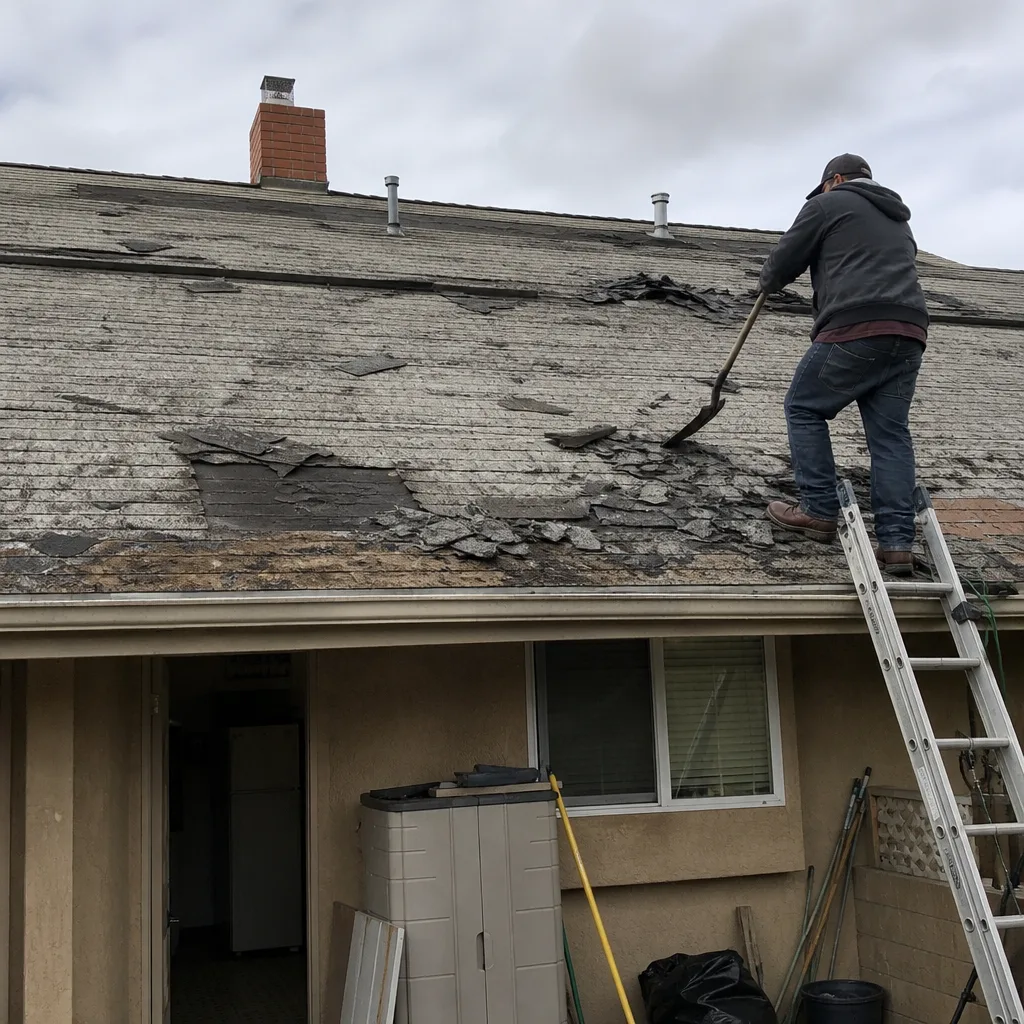 Before
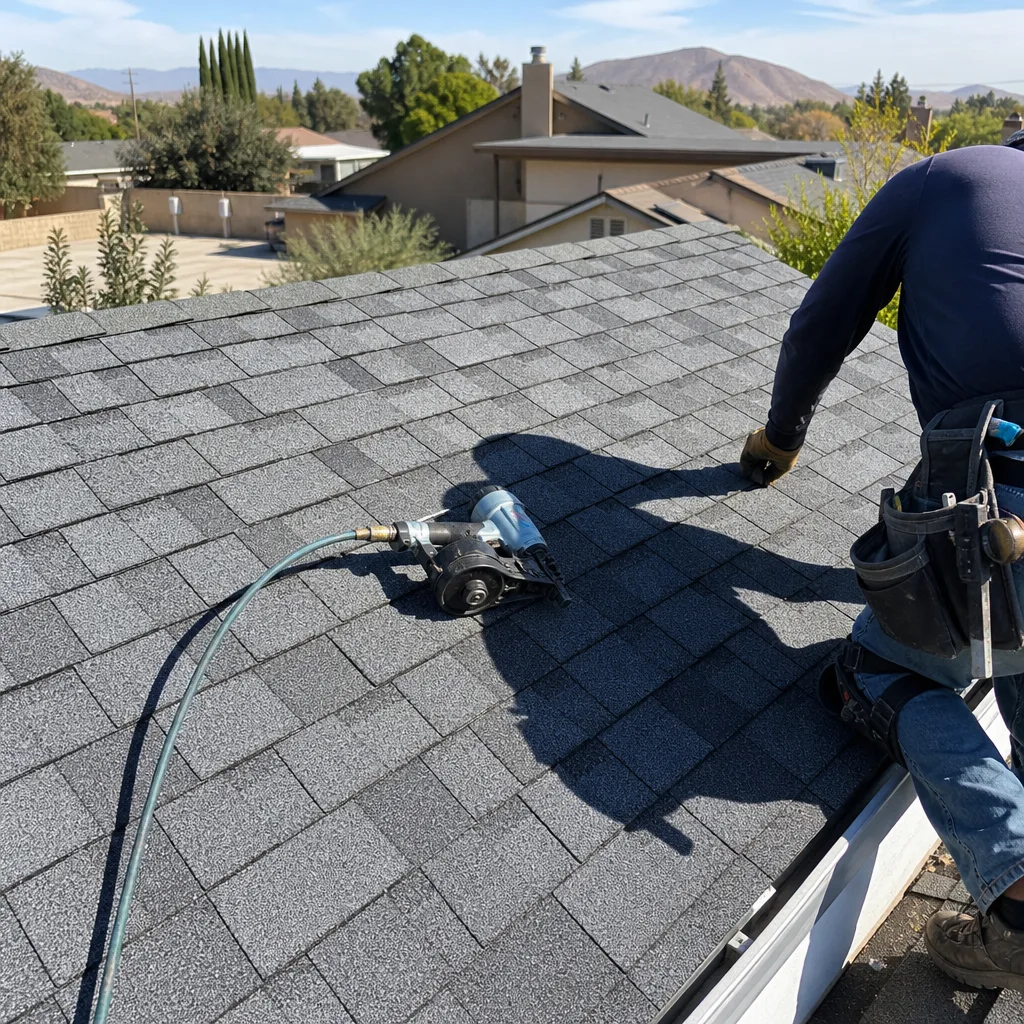 After
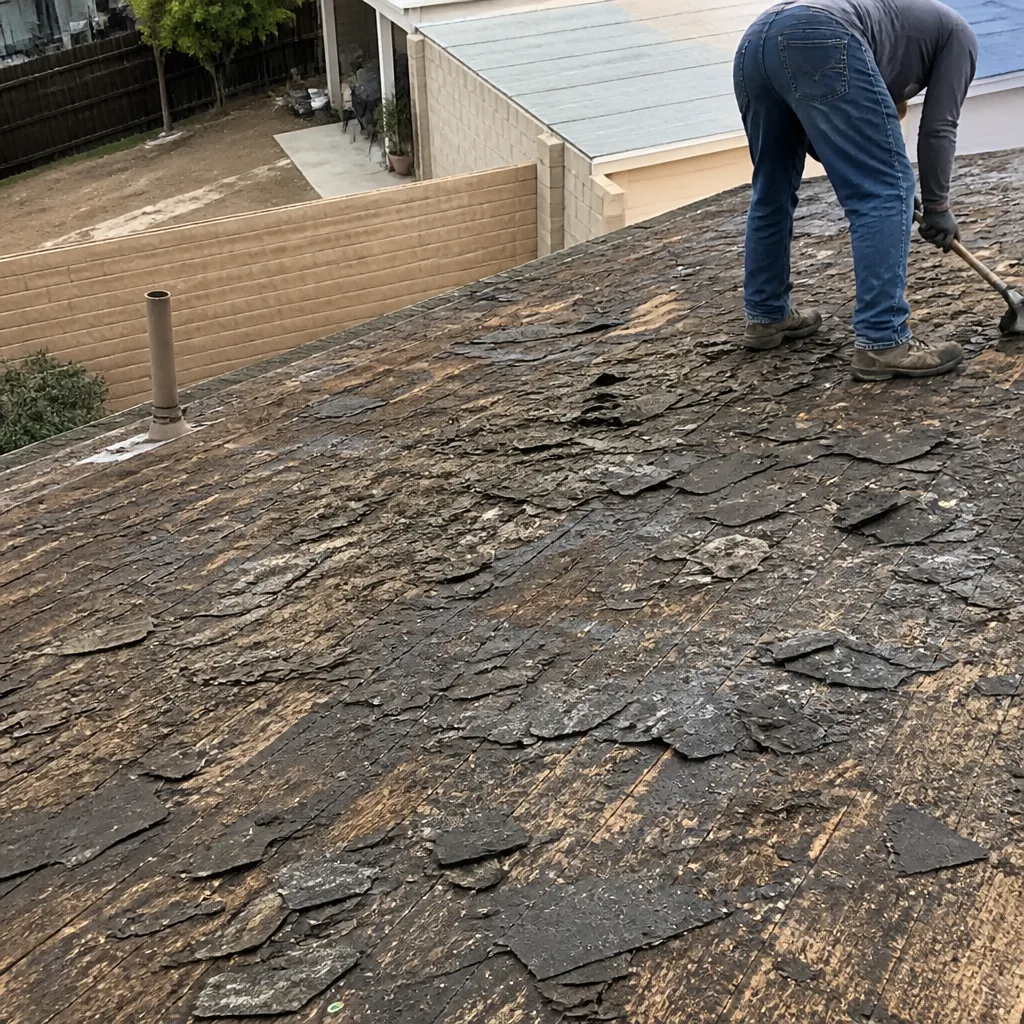 Before
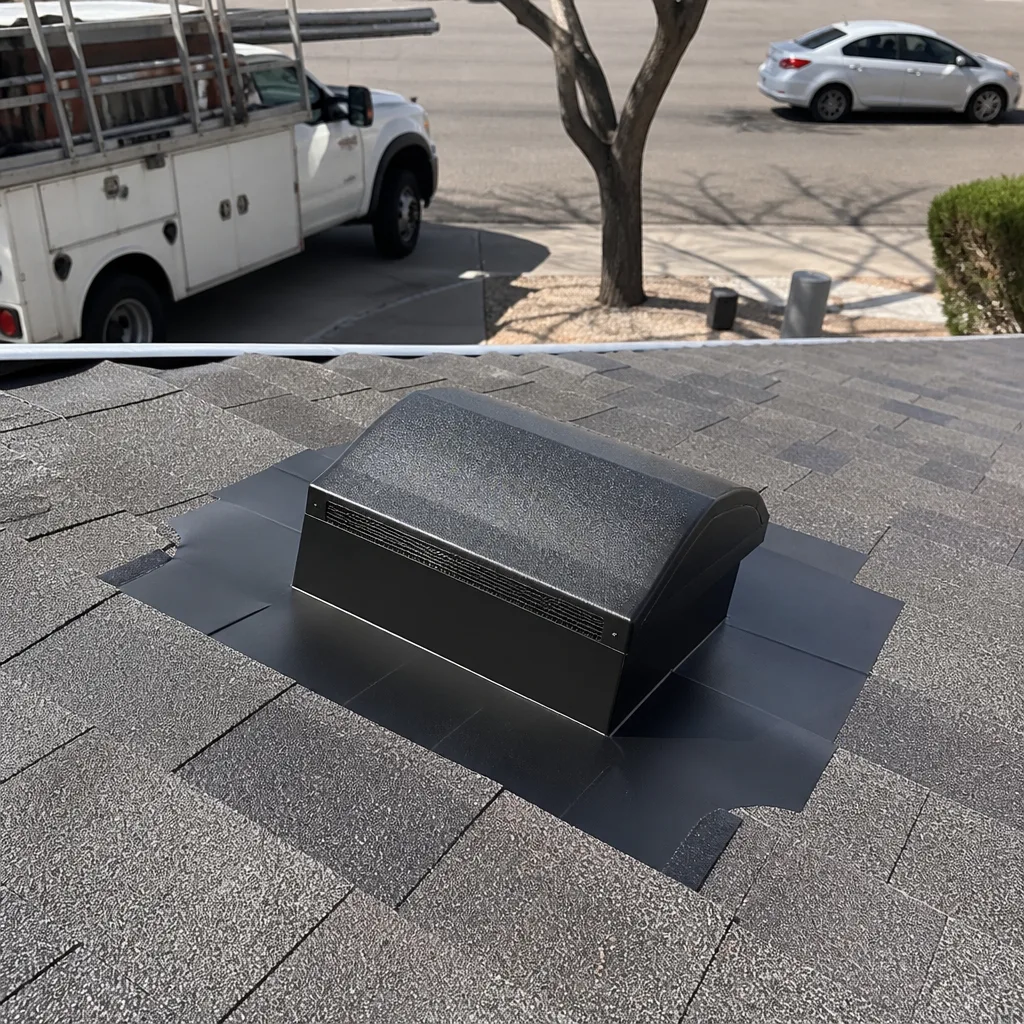 After
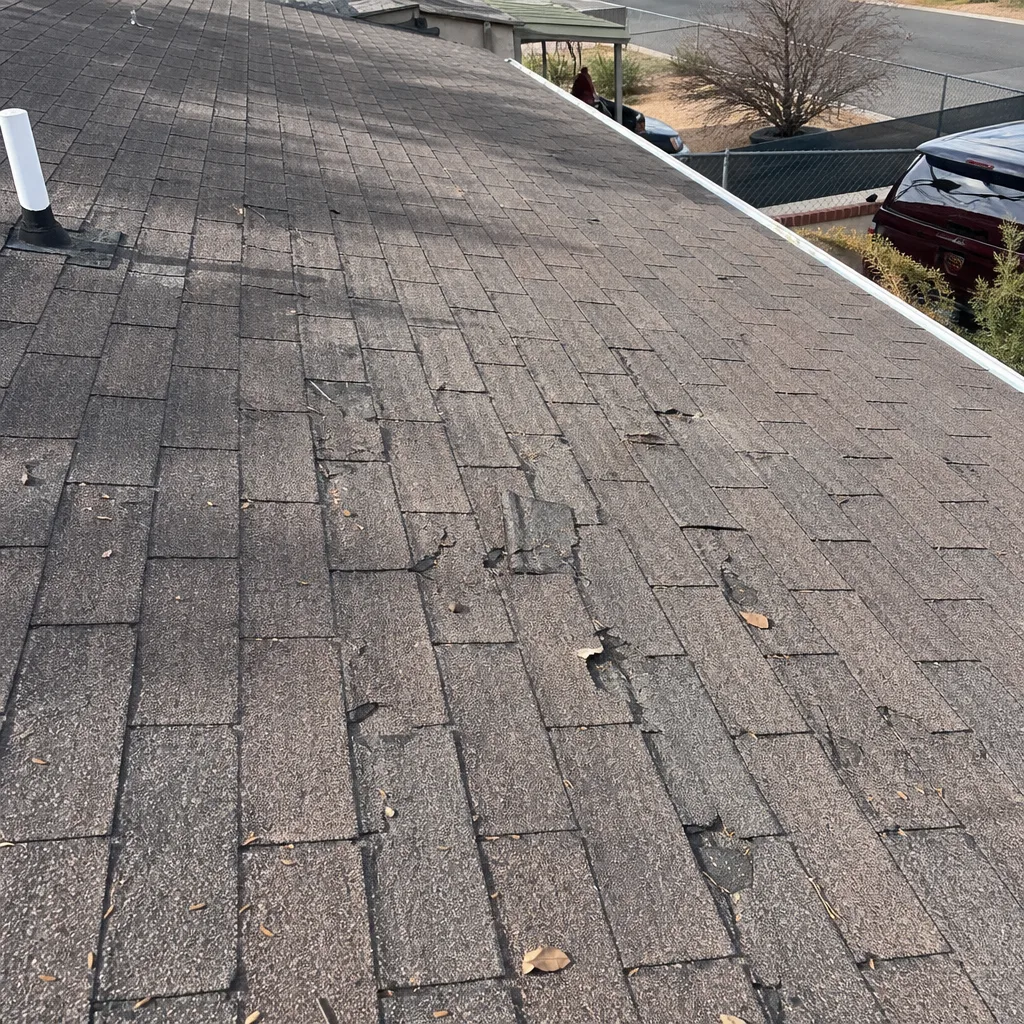 Before
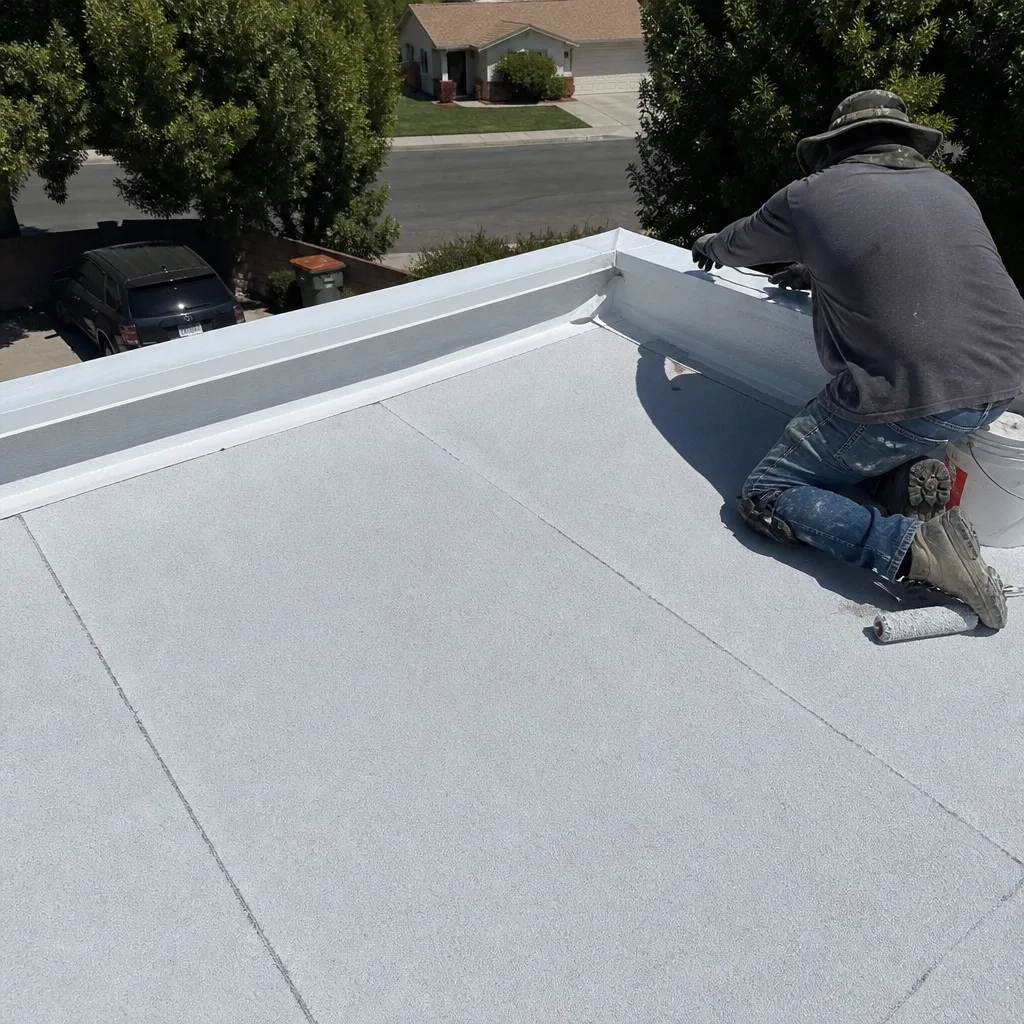 After